
Why your water heater makes popping noises in Iowa

One request and the search for a pro is handled.

Let a pro reach out

That popping or rumbling comes from sediment, mostly minerals like calcium, that has settled on the bottom of the tank. Water gets trapped under that layer, and when the burner fires, it boils and the steam bubbles up through the sediment, which is what makes the popping sound. Iowa water tends to run hard, so this buildup happens faster here than it would with softer water, and most homes here heat water with gas, which means a burner underneath the tank heating that sediment layer directly. It's not dangerous by itself, but the sediment is doing two things: making the tank work harder to heat the water above it, and wearing on the tank bottom over time. The noise is worth paying attention to rather than ignoring, since it usually means the tank could use a flush, and in older tanks it can be an early sign of a bigger problem underneath.

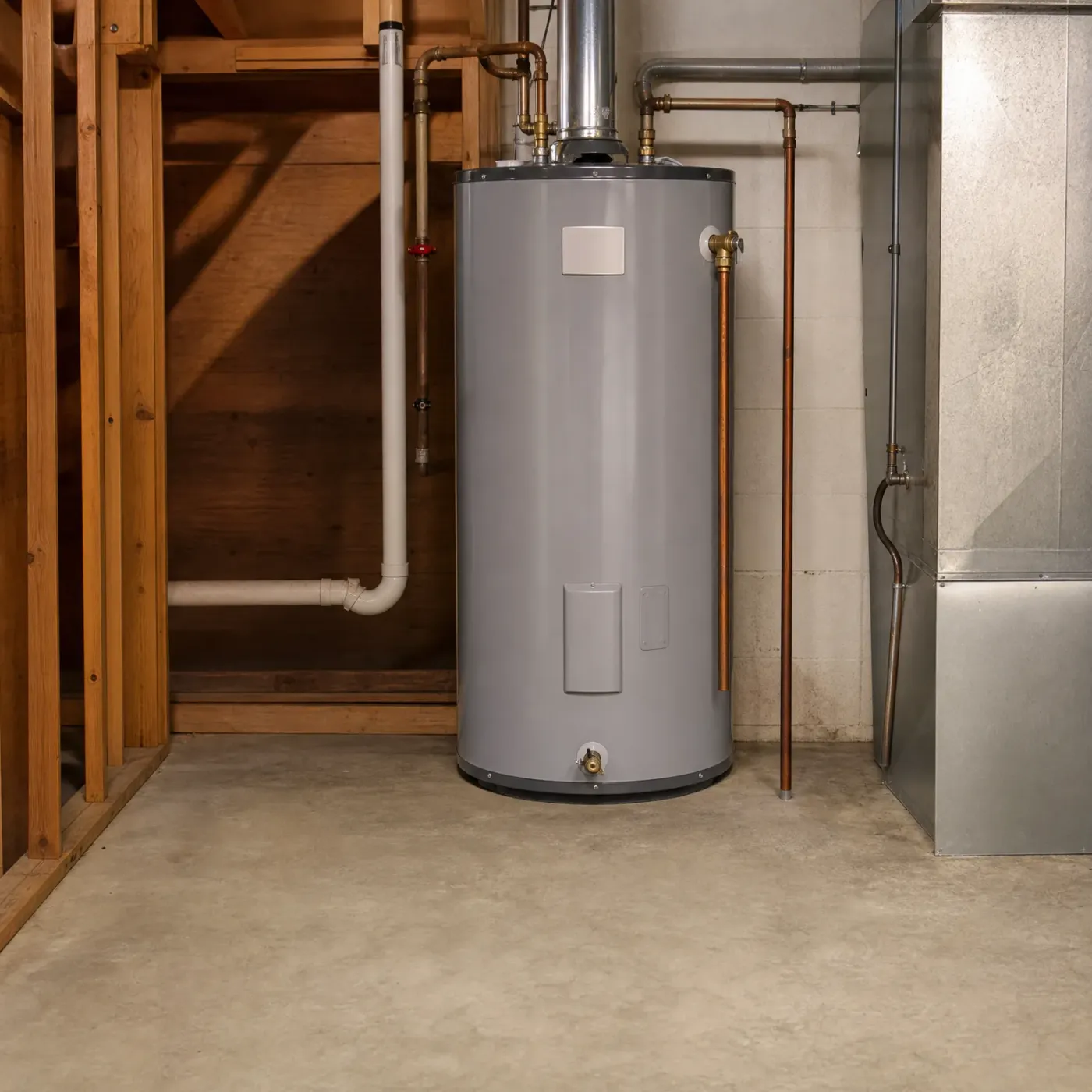
A gray cylindrical water heater stands on a concrete basement floor between an unfinished wood stud wall and a metal furnace duct, with copper and PVC pipes running along the concrete block wall.

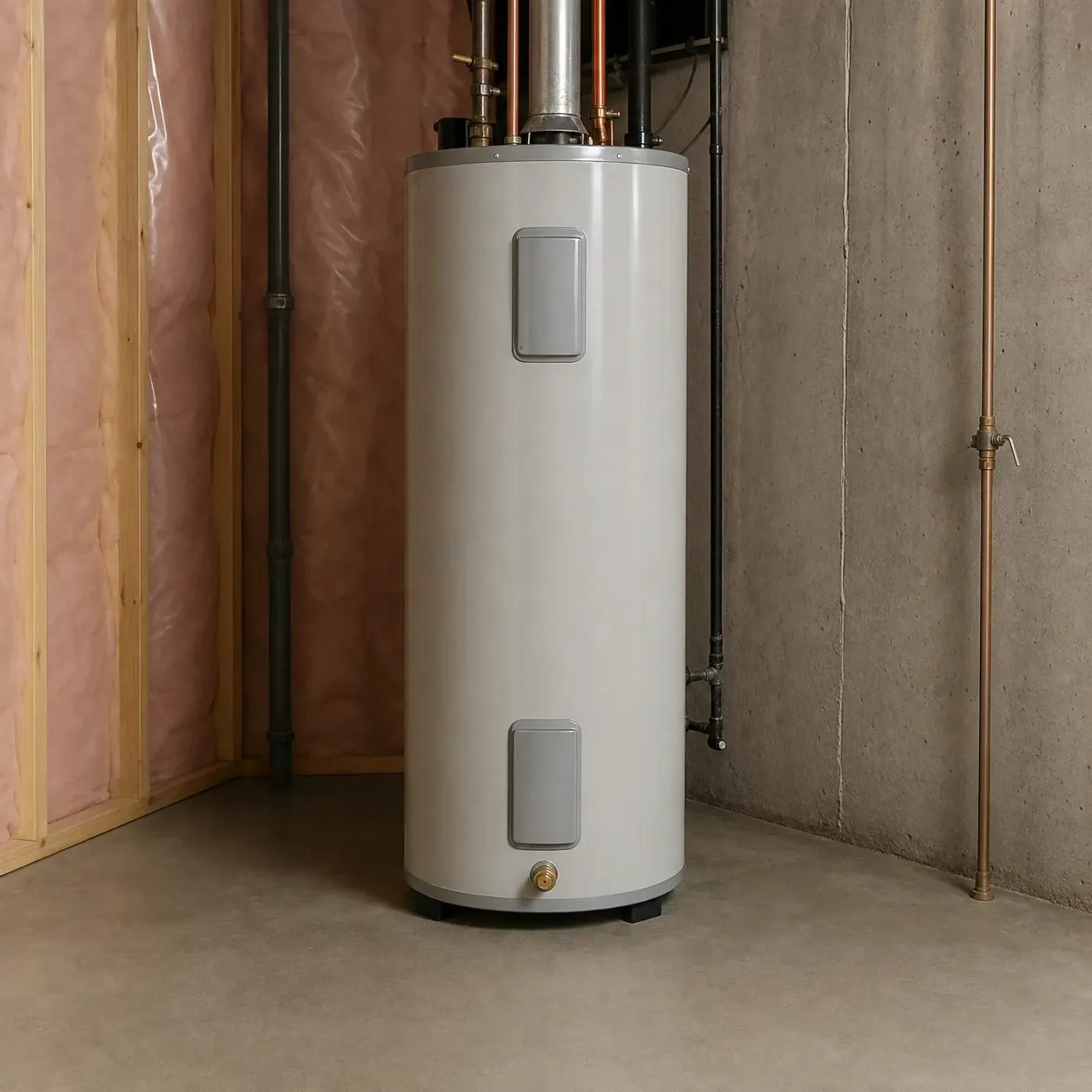
Tank running clean

A water heater with little sediment heats quietly. Water moves past the burner and back into the tank without working through a layer of scale, so you hear a low hum at most. Iowa water carries enough minerals that this takes some upkeep, but a flushed tank stays close to silent.
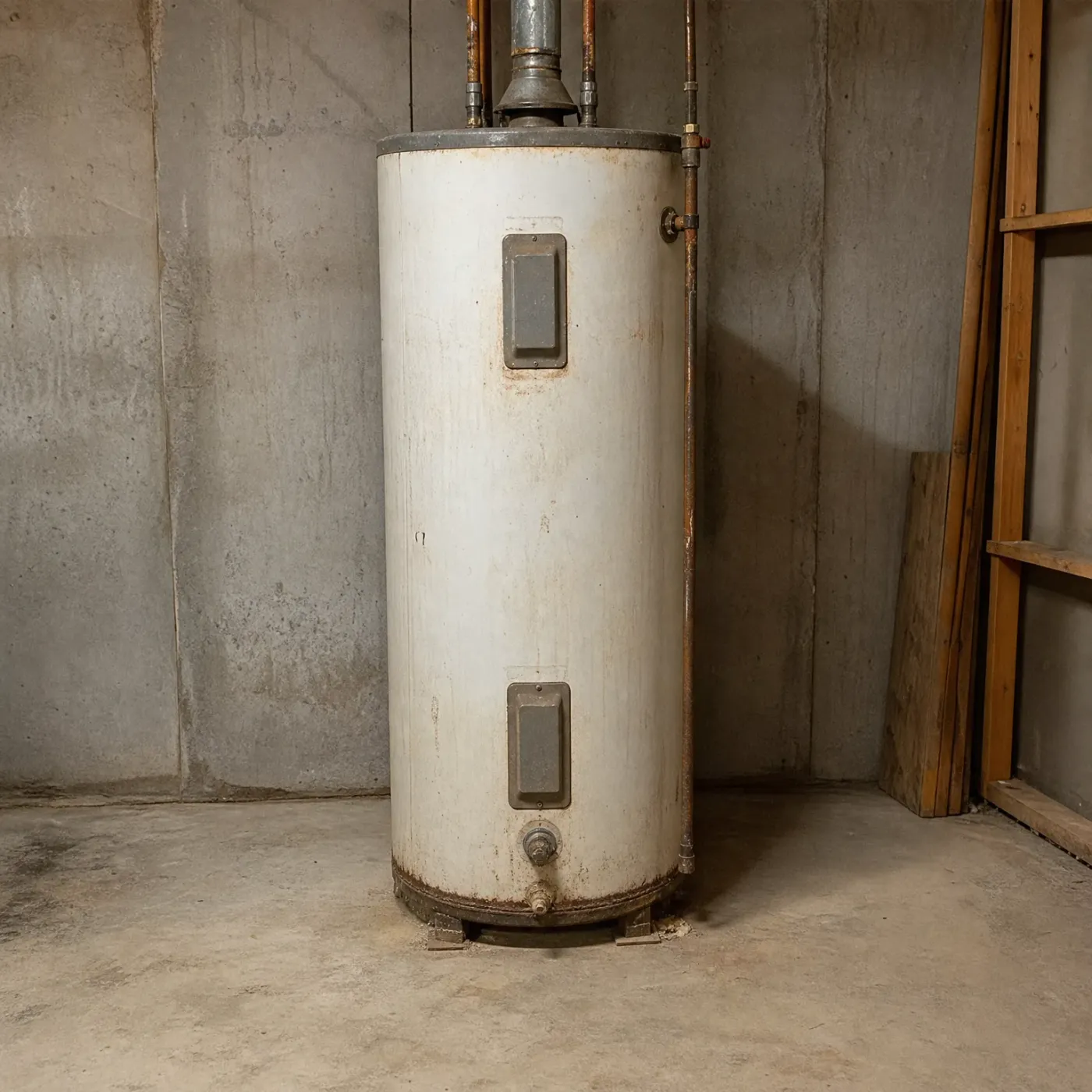

A rusted white cylindrical water heater with two access panels stands in a concrete-walled basement corner, with pipes rising from its top and wooden boards leaning against the wall at right.

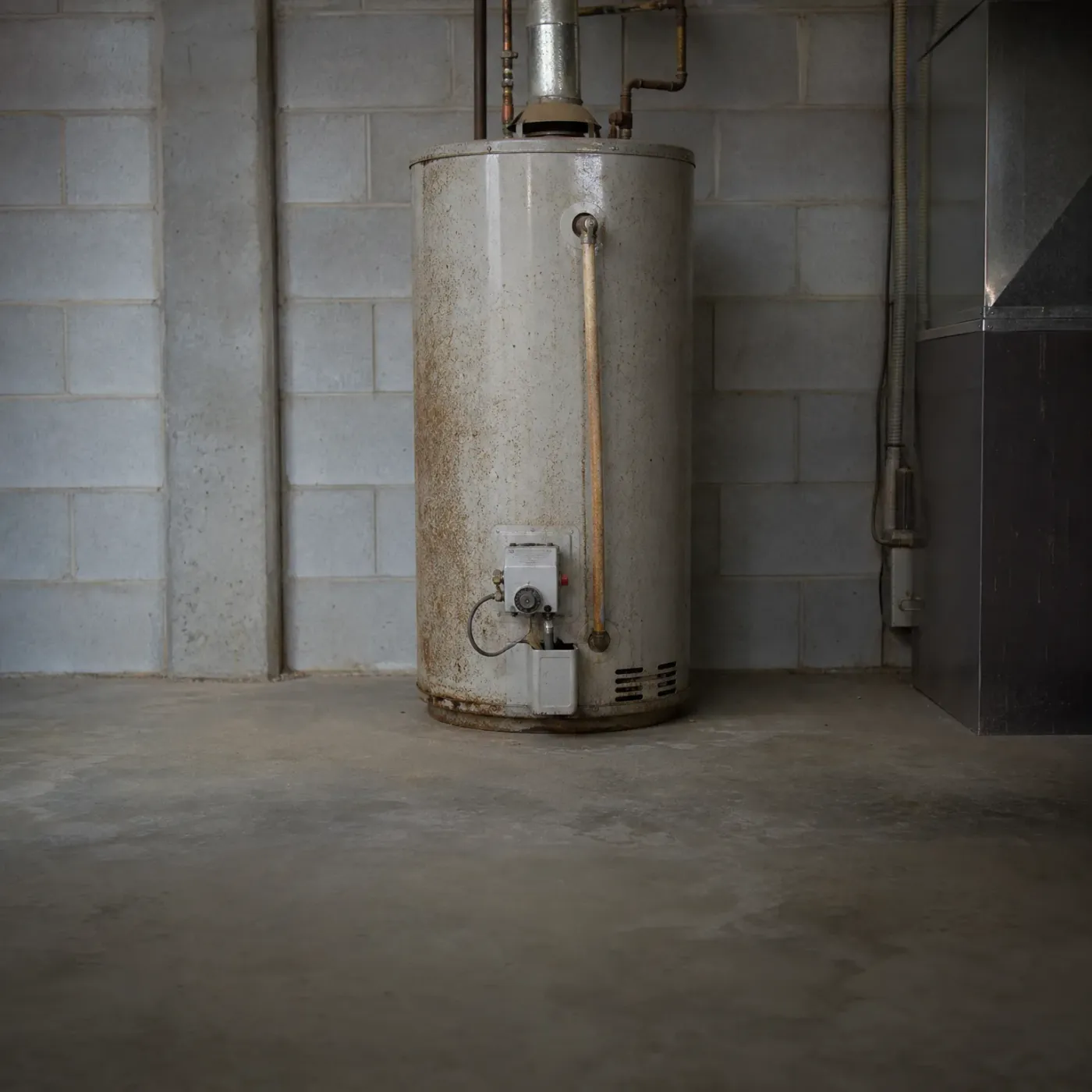
Sediment built up

This is what years of untouched sediment look like, rust creeping up the tank and popping loud enough to notice from another room. The layer insulates the bottom of the tank from the burner, so it runs longer and works harder to heat the same water above it.

Leave It or Have It Checked

Leave it

  • The popping usually keeps going and tends to get louder as more sediment builds up on the tank bottom.
  • That layer of scale sits between the burner and the water, so the gas valve runs longer to get the same hot water.
  • Sediment trapped against the tank bottom can burn the metal underneath it, which is how some leaks start.
  • A noisy tank with gas heat in Iowa is often just the early sign, not the end of the problem.
  • Hard water here keeps adding to the layer, so the noise doesn't resolve itself without the tank being drained and flushed.

Have it checked

  • A contractor can flush the tank and clear the sediment causing the noise before it burns into the tank bottom.
  • Draining the tank gets the water moving past the burner the way it did when the heater was new.
  • Catching it early can mean a flush instead of a tank replacement later on.
  • A technician can also check the anode rod and the burner while they're already working on the tank.
  • Once sediment has baked onto the tank floor, a flush may not clear it all, so timing matters.
A smiling man in a gray long-sleeved shirt stands in a kitchen looking to the side, with open shelves of dishes, a white mug on the counter, a potted plant, and a view through a doorway into a living room.
A smiling bearded man in a green sweater sits at a white marble kitchen island with a mug, potted plant and bowl of fruit, in a bright white interior with open shelving and an arched doorway.
A smiling man with dark curly hair and a beard, wearing a dark green knit sweater, stands at a white marble kitchen counter with a dark blue mug, with open shelving, pendant lights and a houseplant behind him.
A smiling man in a green ribbed sweater stands behind a wooden table holding a ceramic mug of coffee in a kitchen with white subway tile, shelves of potted plants, and a bowl of fruit.

Finding a pro stops being your job

Explain the job once and skip repeating it on every call.

No fee to send it, and nothing to sign.

Iowa's water supply runs hard enough that most tanks build a noticeable layer of sediment within a few years of installation, gas or electric alike.

That layer doesn't rinse away on its own. It has to be flushed out, or broken loose and drained, before the popping stops for good.

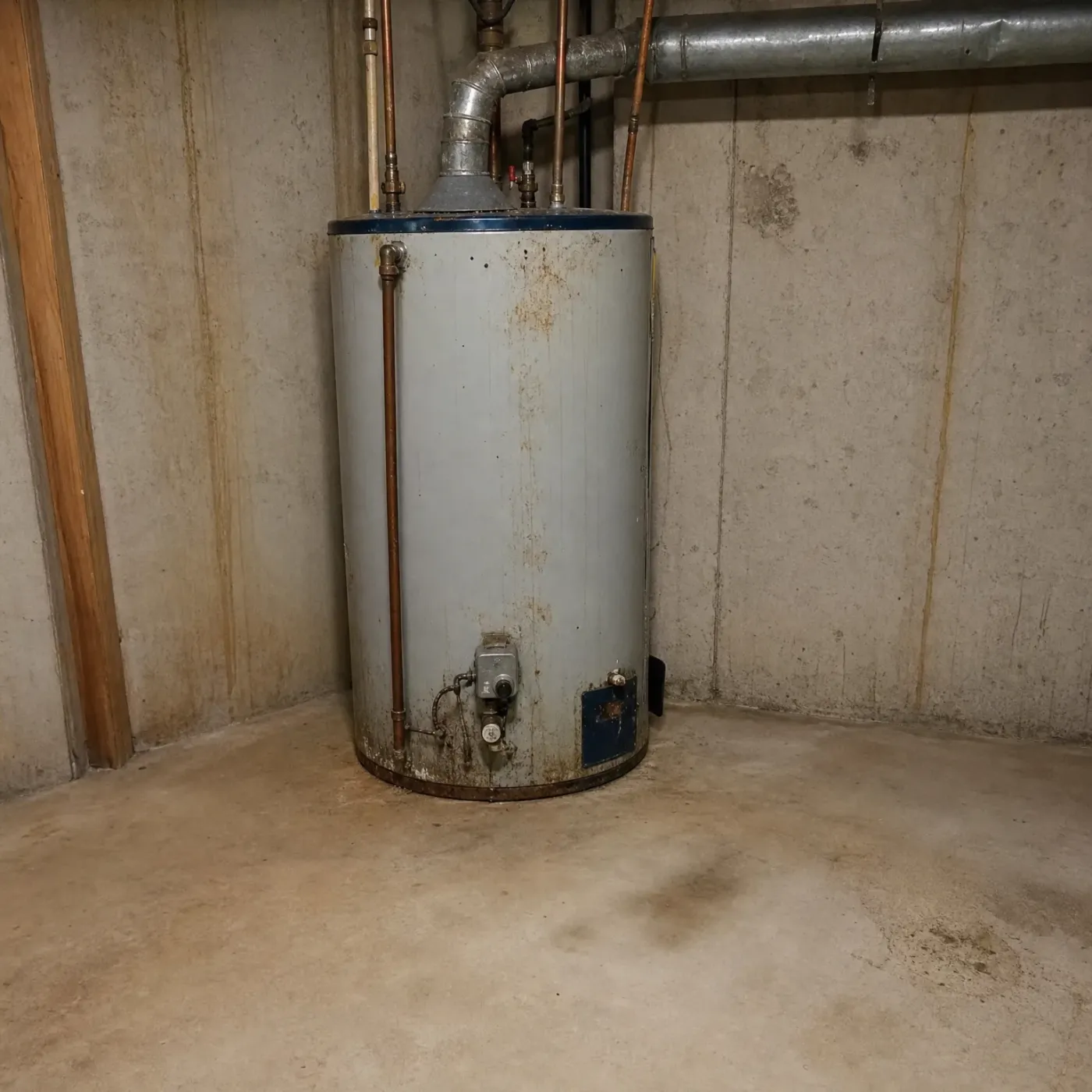
An aging gas water heater with rust streaks stands in the corner of a concrete-walled basement, with copper pipes and a metal flue duct running overhead.
Before you get your water heater repair
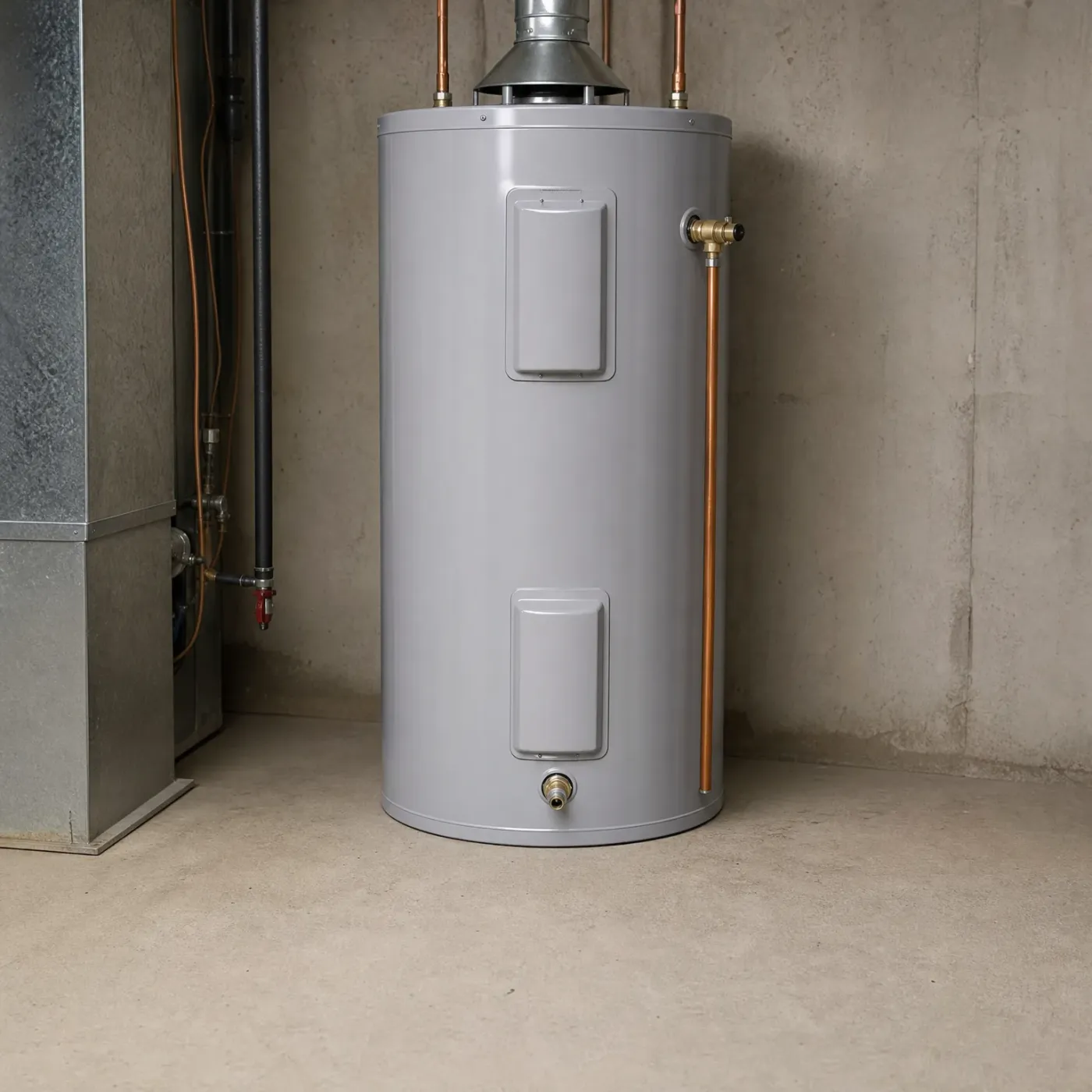
A gray cylindrical water heater with copper piping and a flue stands on a concrete floor in a basement corner beside ductwork and metal equipment.
After you get your water heater repair

What that sediment is doing to your bill

Iowa water running through that tank year after year leaves minerals behind, and that layer sits right between the gas burner and the water it's supposed to heat. The burner has to run longer to push heat through it, so your gas bill carries that cost every month whether you notice the popping or not. Sediment also holds heat against the bottom of the tank itself. Steel that keeps getting heated from underneath while sitting in mineral buildup wears differently than a tank that heats clean, and that's the part of this that matters more than the noise.

What happens if it keeps going

Left alone, that layer keeps building and the popping gets louder, not quieter. Some homeowners wait until it's loud enough to notice from another room before they look into it. By then the sediment has had longer to sit against the tank bottom, and a flush that would have been straightforward earlier can turn into something the sediment has hardened against. Catching it early usually means a simple flush. Waiting usually just means the same job later, after more wear on the tank, with the same noise getting harder to ignore in the meantime.

60.2% of homes statewide heat with gas

Most houses in Iowa heat with gas, and if yours does, your water heater's burner is likely gas too. That means sediment popping isn't just noise. The burner keeps firing longer to push heat through the scale, and the tank keeps building it.

ACS 2020-2024 5-year B25040

A white cylindrical water heater with two access panels and a brass drain valve stands on a concrete floor in a basement corner, beside a pink-insulated stud wall and a concrete wall with copper and black pipes.
A water heater like this one has no scale working against it yet, so the burner fires, heats, and shuts off without a sound.
A rusted gas water heater with a flue pipe stands against a concrete block wall on a bare concrete floor, next to a dark metal duct or furnace cabinet at right.
Years of rust like this usually mean sediment built up long before the tank's shell started to go.
  1. Minerals in the water settle to the tank bottom.

  2. The burner fires beneath that layer of sediment.

  3. Water trapped under the sediment heats and turns to steam.

  4. Steam bubbles push up and break through the scale.

A closed laptop and a cream mug of coffee on a coaster sit on a dark wooden table, with a potted plant at left and a kitchen counter, tiled backsplash and shelf of ceramics in the background.

So that's the popping sound, settled

The noise is sediment, and it's not going to flush itself out. A gas water heater working against a layer of scale will keep popping, and the burner will keep running longer than it should to get you the same hot water. Left alone, that's wear on the tank and a slow climb on the gas bill.

Once you know what's making the noise, the next step is getting someone out to flush the tank or tell you it's time to replace it. You don't have to spend an afternoon calling plumbers around Iowa, explaining the popping sound three different times, then sitting on quotes trying to figure out who's worth calling back. Send the form once and that part is handled.

A living room corner with a light beige sofa holding a textured taupe cushion, a large ceramic vase of olive branches by a window, a framed neutral artwork on the wall, and a dark bowl with stacked books in the foreground.
A smiling man with dark curly hair in a navy t-shirt sits on a gray couch indoors, with a large-leafed plant and a window in the background.
A bearded man in a plaid flannel shirt stands in a kitchen looking out a window toward snow-covered shrubs, with a steaming mug on the windowsill and potted plants on a shelf behind him.

Water Heater Repair

Let someone else find the pro

Skip searching for a water heater pro and answer a few questions instead.

A black-framed smartphone standing upright against a plain white background, its screen filled with solid green.
Step 1 of 3: Equipment