Tell a local repair pro what your water heater is doing.
You turn on the shower after someone else already used all the hot water, and now you're standing there waiting on a tank that won't catch up. In Iowa, with gas water heaters in most homes, that recovery time should be fast. When it isn't, something in the tank is working harder than it should.
It could be a gas valve not opening fully, sediment built up on the bottom of the tank, a burner that isn't getting a clean flame, or a thermostat reading the water wrong. Each of those has a different fix, and guessing at it yourself usually means paying for a part that wasn't the problem.
Finding someone to look at it is its own chore. You'd normally be searching for a plumber who works on water heaters specifically, calling a few, explaining the same problem three or four times, then trying to compare quotes that aren't really measuring the same thing. That part of this is what disappears here.
What you get instead is straightforward. Tell this page what's going on with your tank, and it gets matched to a contractor who handles this kind of repair and knows gas water heaters like the one in your home. That contractor reaches out to you directly. No list of names to sort through, no cold calls on your end.
Iowa winters put real demand on a water heater, and a tank that recovers slowly in July is going to recover slower once the incoming water is colder. Whatever is causing the delay now is worth having someone look at before the weather makes it worse.
The button below is where that starts.
Why does my water heater take so long to make hot water again?
Someone in the household used up the hot water, and now you're waiting on the tank to catch up. If that wait is stretching longer than it used to, the burner or the parts that control it aren't doing their job the way they should.
The burner isn't heating the tank the way it used to
A gas water heater recovers fast because the burner puts out full heat every time it fires. When recovery slows down, the burner is usually running weak, or something between it and the tank is holding heat back. Sediment sitting at the bottom of the tank is a common cause. It sits between the burner and the water, so the burner has to work through that layer before the water itself warms up. A failing thermocouple or a dirty burner assembly can do the same thing, keeping the flame smaller or less steady than the tank needs. In a house with gas water heating, slow recovery almost always traces back to the burner side, not the tank itself.
Recovering the way it should
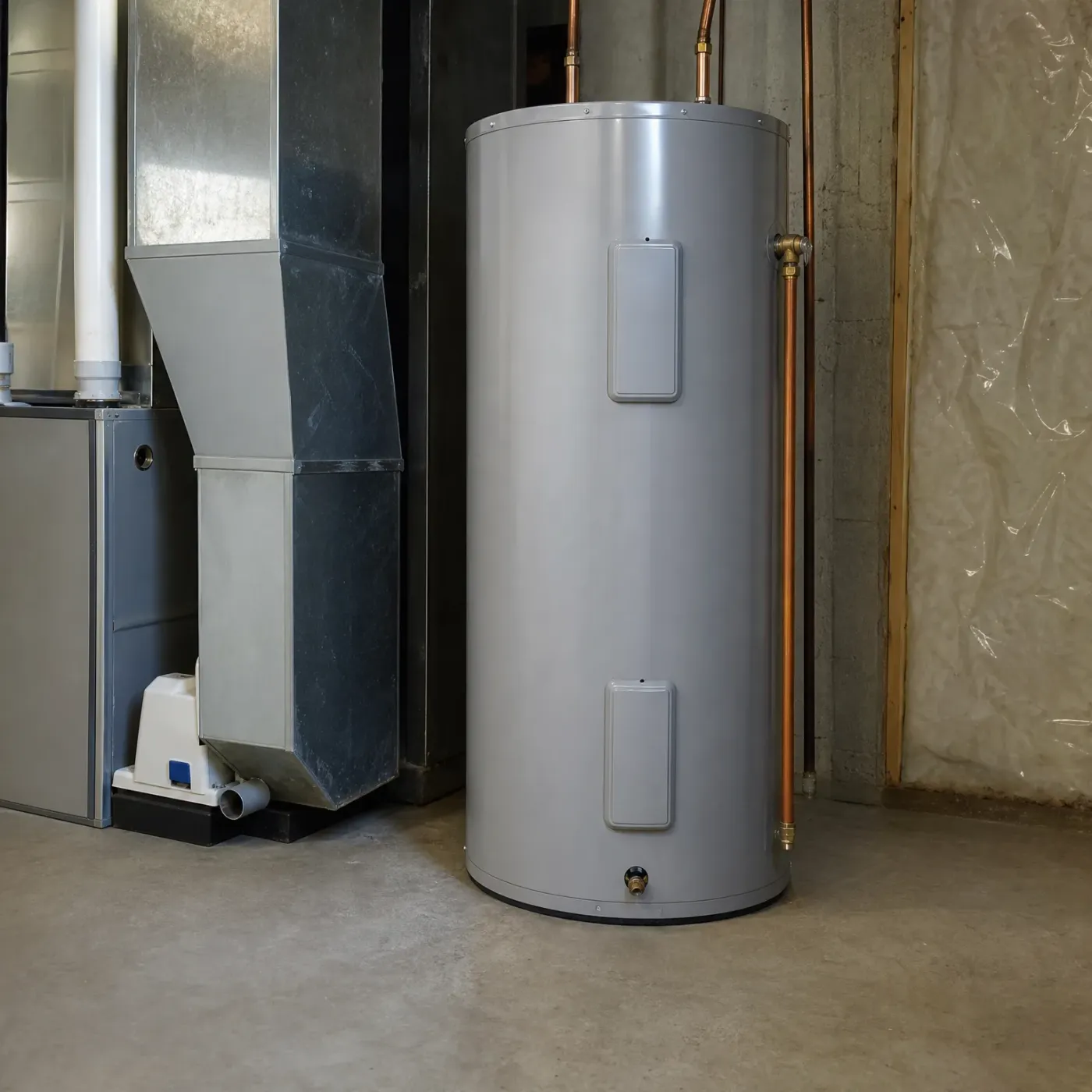
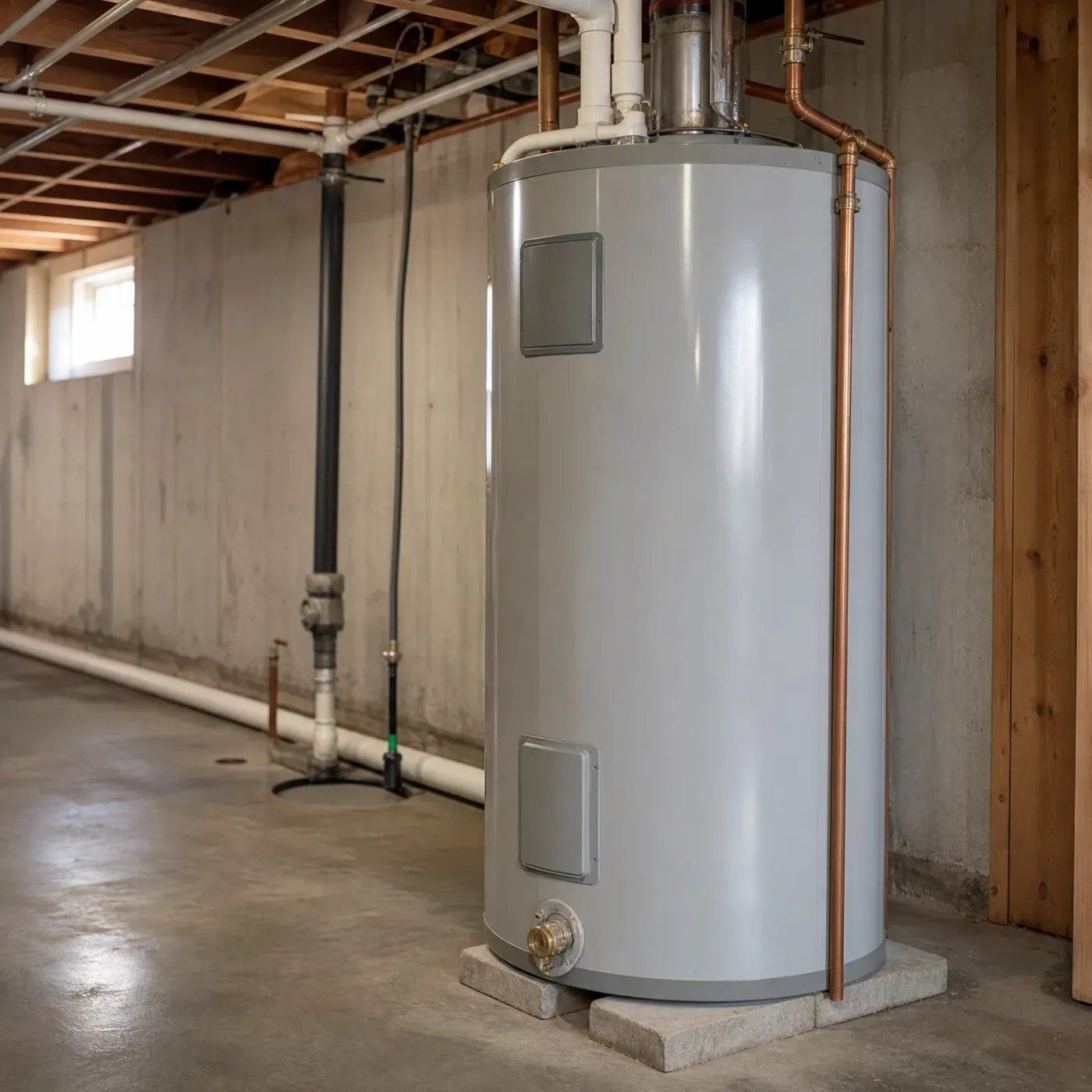
This tank is keeping up. The burner or element cycles on, brings the water back to temperature, and shuts off without anyone noticing. Copper lines, solid fittings, nothing straining to do its job. A water heater working right is the one you never think about.
Falling behind on the recovery
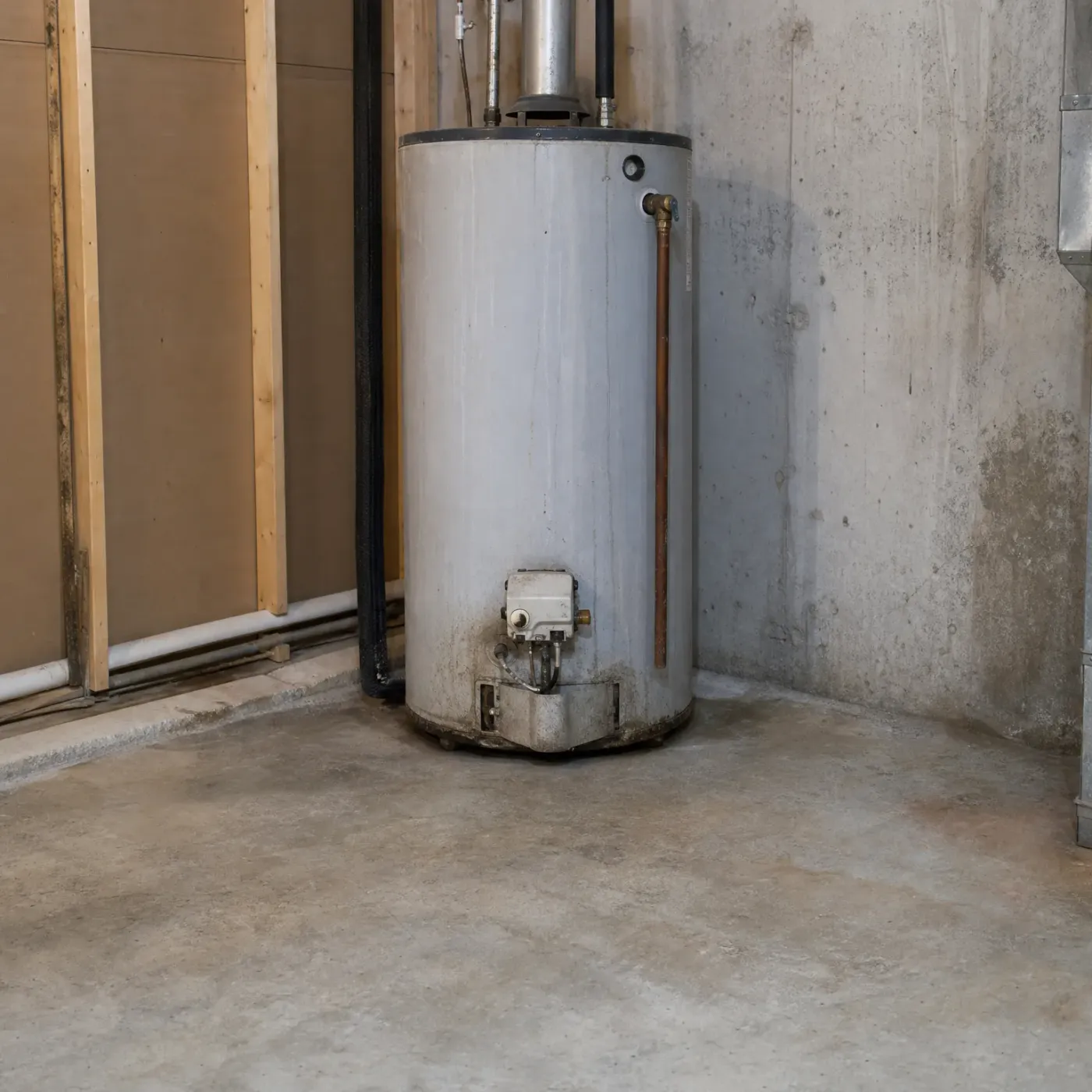
Rust around the base, grime on the burner assembly, a flue pipe that's seen years of use. This is a tank working harder than it should to catch up between showers. Corrosion and buildup like this slow recovery down, and the gap between you and hot water keeps growing.
A pro who works on water heaters
Answer a few questions instead of calling shop after shop.
A local pro who knows water heaters gets your details and gets in touch.
You notice it in small ways first. A shower that used to outlast everyone now turns lukewarm halfway through. The dishwasher finishes a cycle and the water coming out of the tap after is barely warm. You wait longer between loads of laundry so there's enough hot water for both. None of this used to happen, or it happened less. A gas water heater that's slow to recover is working harder for the same result, and a burner that's struggling to keep up now can fail outright later, often without much warning, usually when you need hot water most.
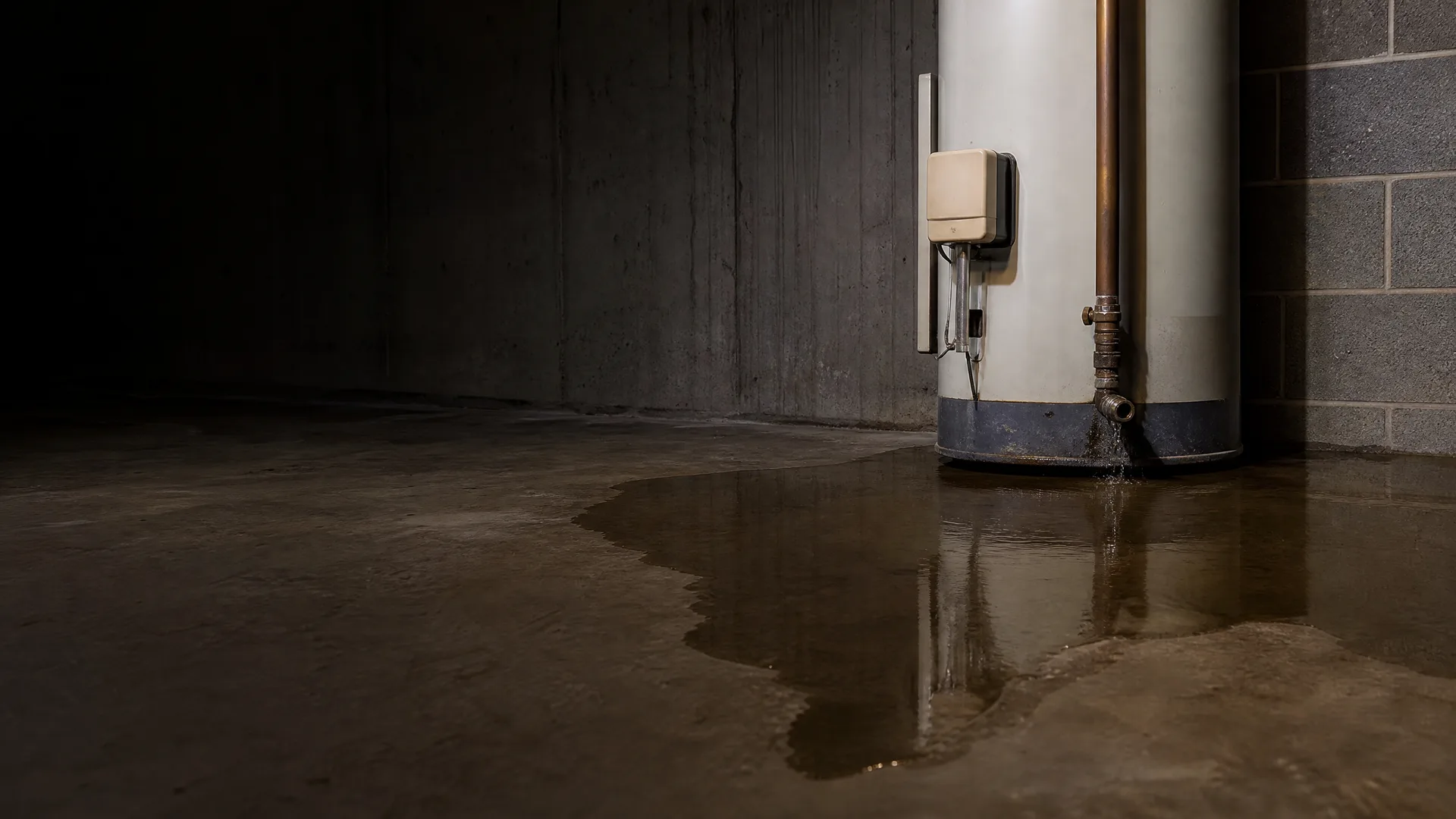
It's Saturday morning and you're down in the basement for the laundry you put off all week. You smell it before you see it, something damp that shouldn't be there. Then you spot it, a thin ring of water spreading out from the base of the tank, soaking into the concrete. The furnace is a few feet away, still running fine. You crouch down and feel along the bottom seam, trying to tell if it's still spreading or if it already stopped. Upstairs, nobody's touched the hot water yet this morning.
How a gas water heater actually recovers
Cold water comes into the tank through the dip tube, which carries it down near the bottom where the burner sits. The burner fires, heat moves up through the water, and a thermostat cuts the gas off once the tank reaches its set temperature. On a tank that's working right, that whole cycle happens in minutes. If the burner is sooted up, or the thermostat is reading wrong, or sediment has built up on the bottom of the tank between the burner and the water, that heat transfer slows down. The gas is burning, but less of that heat is actually reaching the water above it.
A tank that used to keep up and now doesn't is telling you one of those parts needs a look, not that it needs replacing outright. Figuring out which one it is means getting under the tank and checking the burner assembly, the thermostat, and what's settled on the bottom, which isn't a job most people want to take on themselves. A contractor who works on water heaters in Iowa homes can look at yours and tell you which part is actually the problem, instead of you guessing and hoping.
60.2% of homes statewide heat with gas
Most houses around you run on gas, same as yours likely does. Gas recovers fast when it's working right, which is why a slow tank stands out so much here. It usually means the burner isn't putting out the heat it should, not that gas itself is the problem.
ACS 2020-2024 5-year B25040
1
Cold water enters the tank through the dip tube.
2
The thermostat calls for heat and opens the gas valve.
3
The burner lights and fires beneath the tank.
4
Heat rises through the water toward the top.
A gas water heater that used to keep up and now doesn't is telling you something specific, not something vague. The burner isn't putting out the heat it should, or the thermostat isn't reading the water right, or the dip tube and the sediment sitting on top of it are making the tank work harder than it needs to. That's a repair, not something to watch and wait on. Finding out which one it is means someone who knows gas water heaters looking at yours, and getting there on your own means searching through contractors, calling a few, explaining the slow recovery and the lukewarm showers all over again to each one, then sitting with quotes trying to tell which one actually knows what they're looking at. Answer a few questions here and that part is done. You get matched with a contractor who handles this kind of repair, and they reach out to you directly. The tank still needs a look. You just won't be the one tracking down who's going to give it one.
Water Heater Repair
Get your water heater to the right pro
Step 1 of 3: Equipment
Say what's going on with your water heater, and a pro who works on them reaches out.
After you send the request, you're done searching.
Send the request today and stop worrying about who to call.
Fill out one short form instead of calling around.
Explain the job once and skip repeating it on every call.
Only one pro gets your request, so you hear from one company.