Skip calling around
Why your hot water is lukewarm in Iowa
Lukewarm water in a gas water heater usually comes down to one of a few parts: a thermocouple or igniter that's failing, a gas valve on its way out, or sediment sitting at the bottom of the tank. This page walks through what's likely going on and what it takes to fix it, so you're not stuck calling around to different companies, explaining the same problem over and over, and sorting through quotes. One local contractor who works on these units all year can take it from here.
Describe it onceLukewarm water from a gas water heater usually means it's not getting a full burn, or it's not burning long enough. A thermocouple that's wearing out will let the pilot drop without shutting the gas valve down all the way, so you get a weak flame instead of none. A failing gas valve can do the same thing, holding the burner back from reaching full heat. Sediment is the other common cause. It settles at the bottom of the tank over time and sits between the burner and the water above it, so the heat never makes it through to a full tank's worth. Any of these gets worse slowly, which is why the water was fine a few months ago and is only lukewarm now. None of them clear up on their own, and running the burner on a bad thermocouple or valve isn't something to leave alone, since gas appliances need to burn correctly to vent correctly.
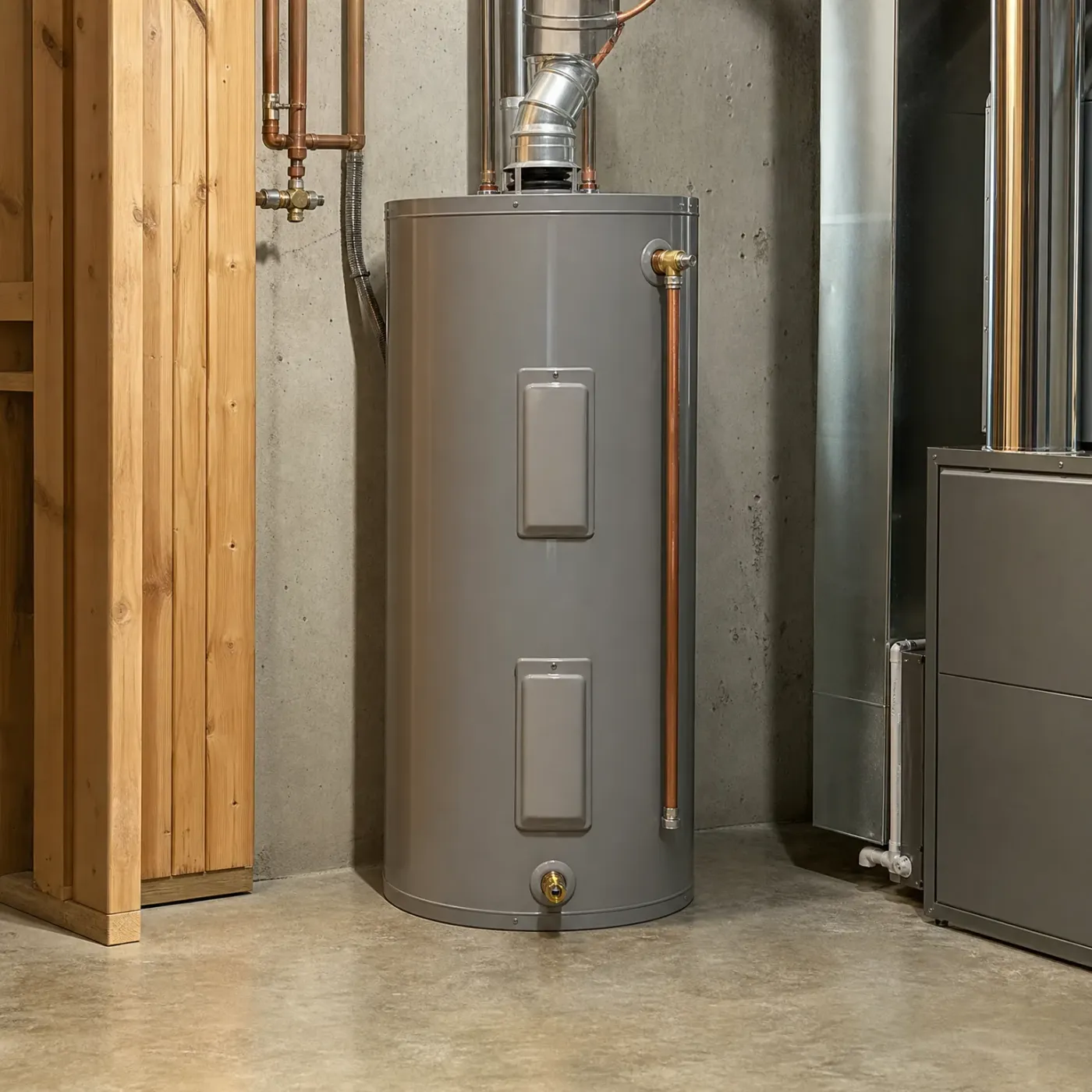
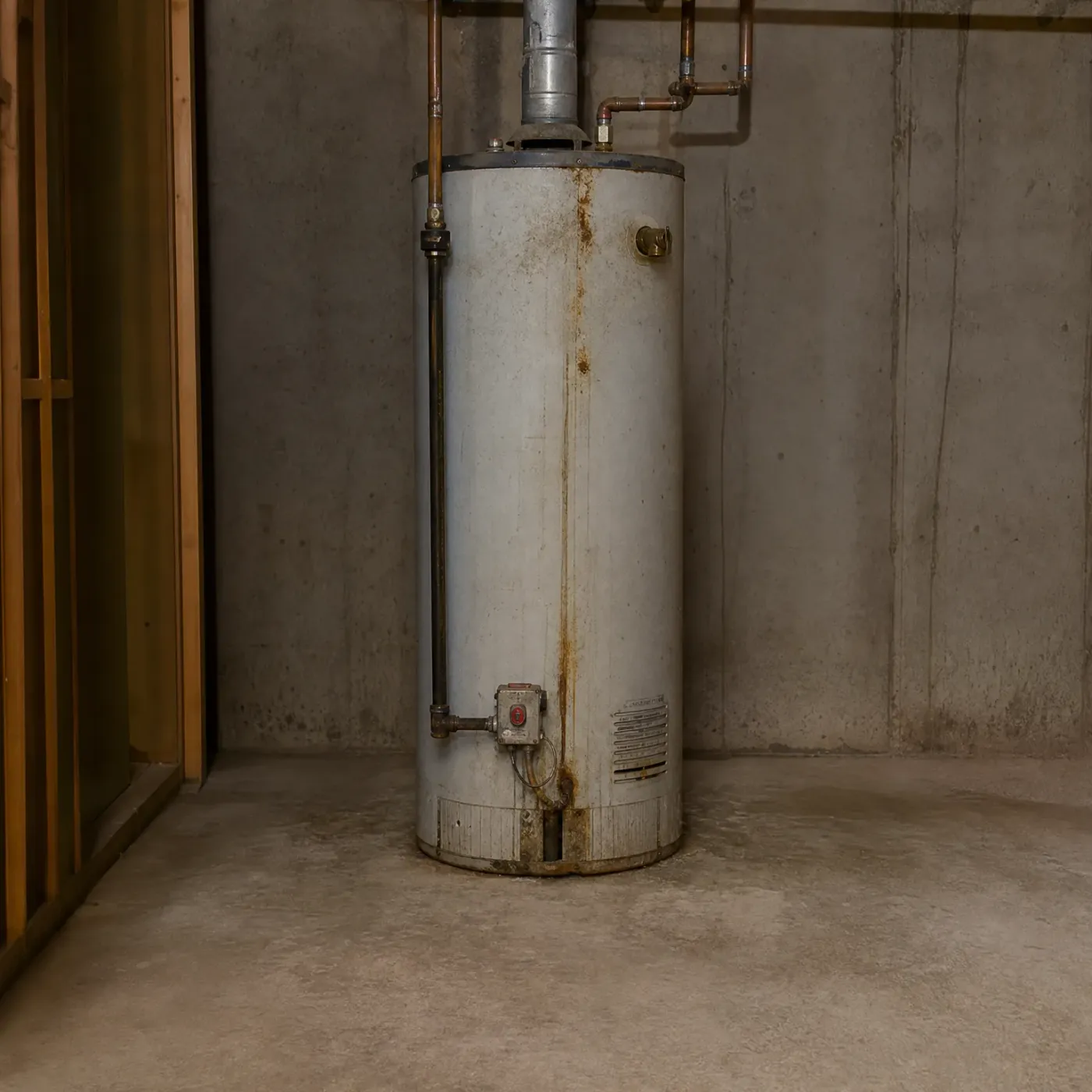
A gas water heater only has so much hot water to give before it has to make more. That tank holds 40 or 50 gallons, and cold water comes in through a dip tube that puts it right at the bottom, below everything that's already hot. So the burner isn't just topping off a little water, it's reheating the whole tank from the bottom up before you feel it at the tap again. A few things get in the way of that. A thermostat reading off can cut the gas valve before the water's actually up to temperature. Sediment settled on the tank bottom sits between the flame and the water, so the burner's heating sediment instead of what's above it. A flue that isn't drafting right pulls heat out through the vent before it ever reaches the tank. None of this involves the anode rod. That rod protects the tank from corrosion and has no part in water temperature, so replacing it won't change what's coming out of the tap.
How the Tank Actually Heats
- Gas water heaters hold a set amount, usually 40 or 50 gallons, and once that's used up the next water out of the tap is whatever the cold line feeds in.
- The dip tube sends incoming cold water to the bottom of the tank, so the burner has to reheat the whole tank before the top water runs hot again.
- A thermostat that's reading wrong will shut the gas valve off well before the water reaches the temperature you set it to.
- Sediment sitting between the burner and the tank bottom acts like a barrier, so the flame heats the sediment instead of the water above it.
- A flue that's drafting wrong pulls heat out through the vent instead of letting it transfer into the tank, so the burner runs without much to show for it.
- The anode rod has nothing to do with water temperature, so a reader who's replaced it and still gets lukewarm water hasn't fixed the actual cause.




Describe it once
You've probably already tried the easy things, turning the thermostat up, running the hot side longer to see if it ever catches up. When it doesn't, the next step is someone opening the access panel and looking at the thermocouple, the gas valve, and what's sitting at the bottom of the tank. That's not a job to work through by calling around Iowa for a plumber, explaining the same lukewarm water story three or four times, then sitting on quotes trying to guess which one actually knows gas water heaters. A local contractor who works on these all year, through sticky summers and the cold months when the tank is working hardest, has likely already seen your particular failure a dozen times. Submit the request once and it goes to that one contractor, not a handful of companies competing for the callback. You keep dealing with lukewarm showers in the meantime, but you stop dealing with the search for who should fix it.
Sediment changes how the burner works
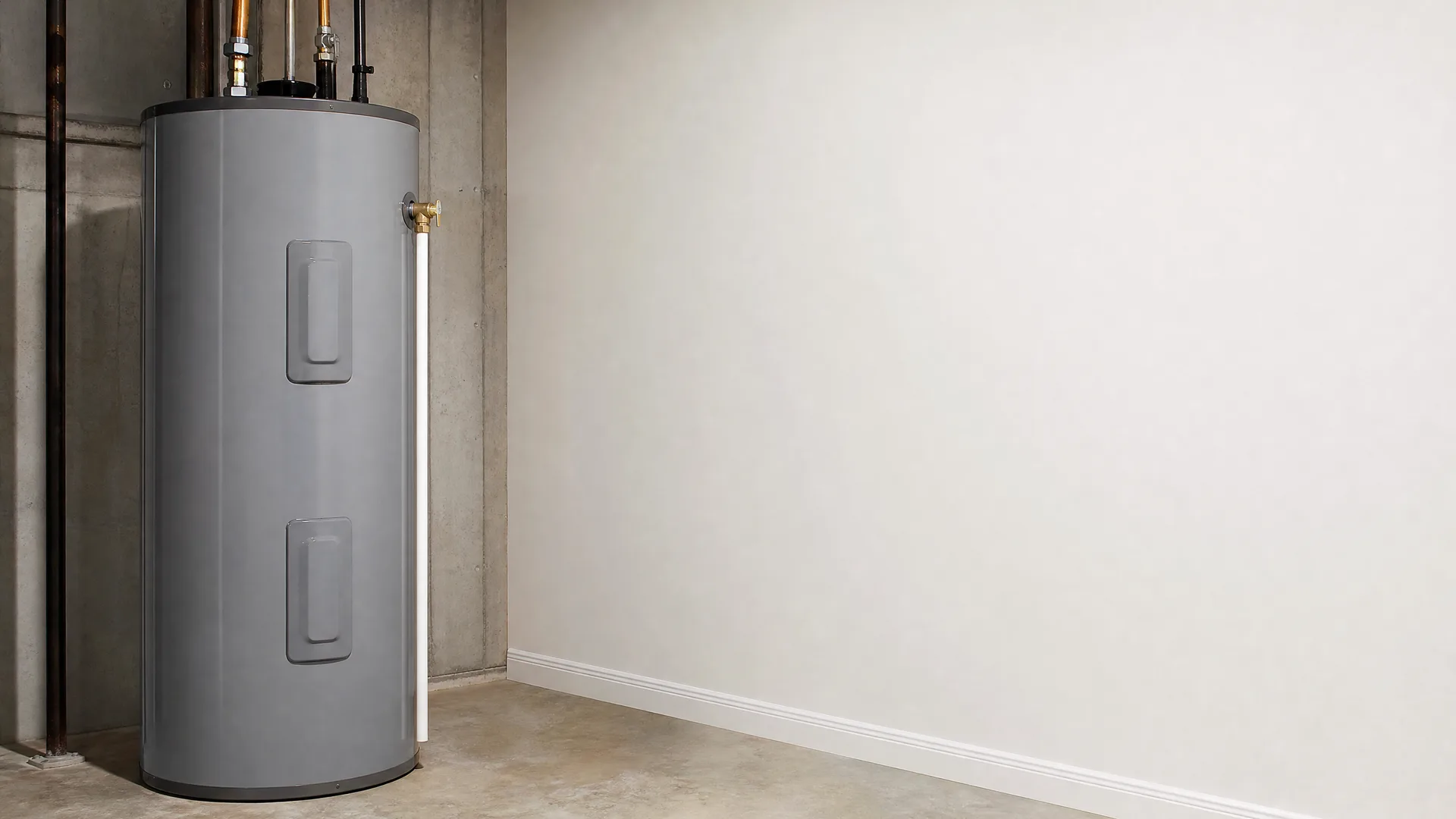
Iowa water leaves minerals behind, and over years they settle on the bottom of the tank. That layer sits between the burner and the water, so heat has to pass through sediment before it reaches anything you can use. A tank with a thick layer takes longer to recover and never quite gets the water as hot as it did when it was new. Flushing the tank clears some of it, but once it's hardened and caked on, it usually stays.
The flue tells you how it's burning
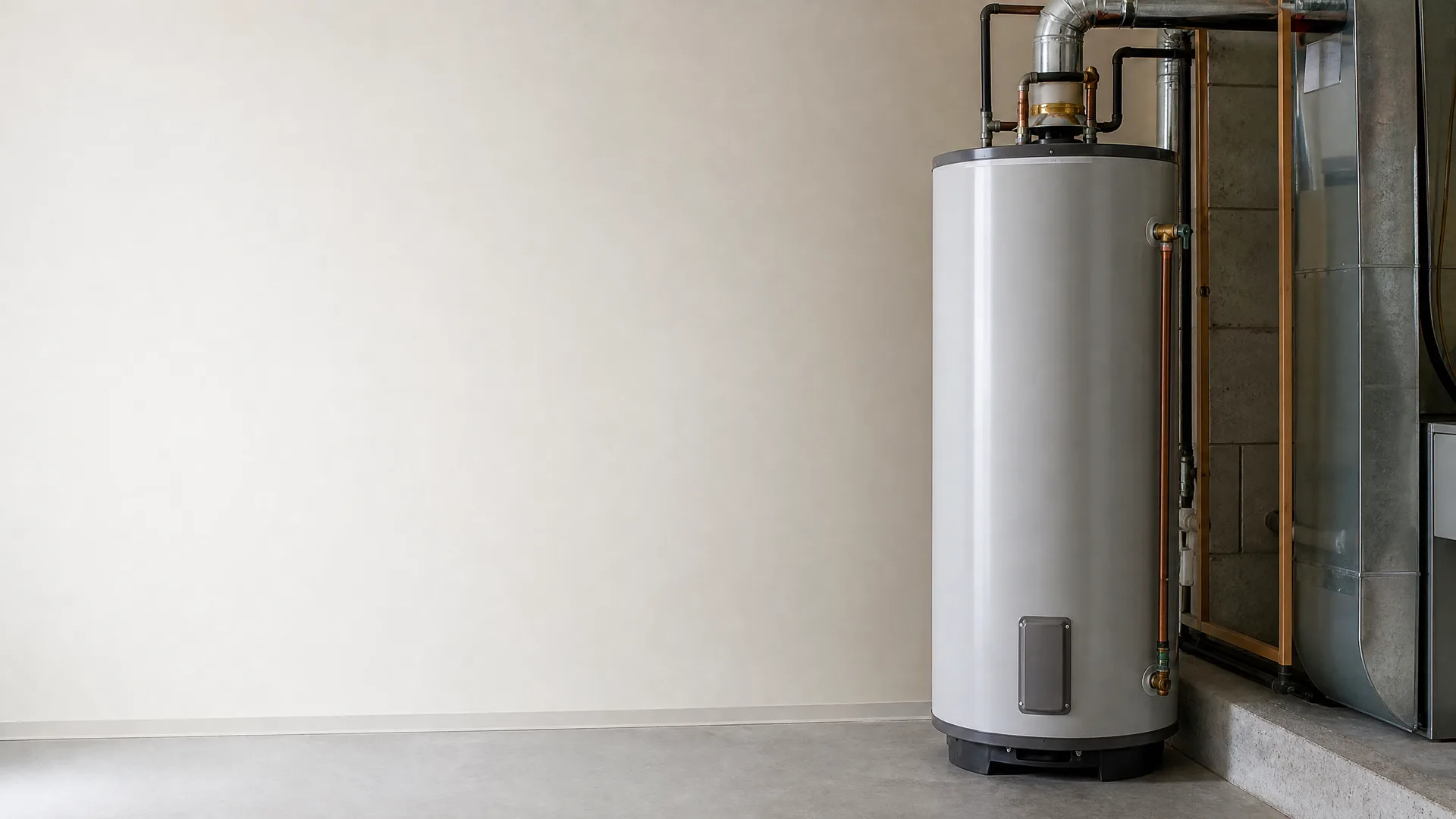
A gas water heater vents exhaust straight up through a flue above the tank. When the burner is getting full gas flow and clean air, that exhaust moves steadily and the flame underneath burns blue. A failing thermocouple or a dirty burner orifice changes that flame, often to yellow and uneven, and the heat output drops with it. That's part of what a contractor checks first, since the flame tells them more than the thermostat setting ever will.
60.2% of homes statewide heat with gas
Most homes in Iowa run on gas heat, and that same gas line almost always feeds the water heater too. So when the water runs lukewarm, you're usually looking at a burner problem, not an electrical one. A thermocouple, igniter or gas valve is where someone should start.
ACS 2020-2024 5-year B25040
What the Inspection Settles
- Lukewarm water from a gas water heater almost always traces back to the thermocouple, the igniter, the gas valve, or sediment built up in the tank.
- A full burn and a full tank are the two things that get your water hot, and a weak flame or a thin layer of water left to heat are usually the reason one of those is missing.
- Sediment doesn't clear itself, and a part that's wearing out keeps wearing until the flame it controls can't hold.
- Someone who services gas water heaters in Iowa all year knows which of these parts tends to go first and checks that before anything else.
- One contractor looking at the tank means one diagnosis and one plan, not several opinions to sort through.
- The water heater either gets a full burn and a clean tank back, or it doesn't, and an inspection is what tells you which.
The water heater is either burning the way it should or it isn't, and sitting on the thermostat setting doesn't change the answer. A thermocouple that's failing, an igniter losing its spark, a gas valve not opening all the way, or sediment sitting on the bottom of the tank, one of these is why the water coming out of the tap isn't getting hot enough to notice. None of them fix themselves. A thermocouple that's marginal today reads weaker next month. Sediment that's an inch deep doesn't settle back out on its own.
Someone who works on gas water heaters across Iowa every year has seen this exact complaint enough times to know where to look first. That's not a guess made from the outside. It's checking the flame, checking the connections, checking what's at the bottom of the tank, in that order, because that's the order these parts tend to fail in around here. You get one person doing that, not three different companies giving you three different answers to sort through on your own.
Once someone's had a look, you'll know whether this is a part that needs replacing or a tank that's carried its sediment long enough to need draining, and what it'll take to get a full tank of hot water back instead of whatever's left over after the burner gives out early.
No phone calls to make
Only one pro gets your request, so you hear from one company.