What temperature to set a water heater in Iowa

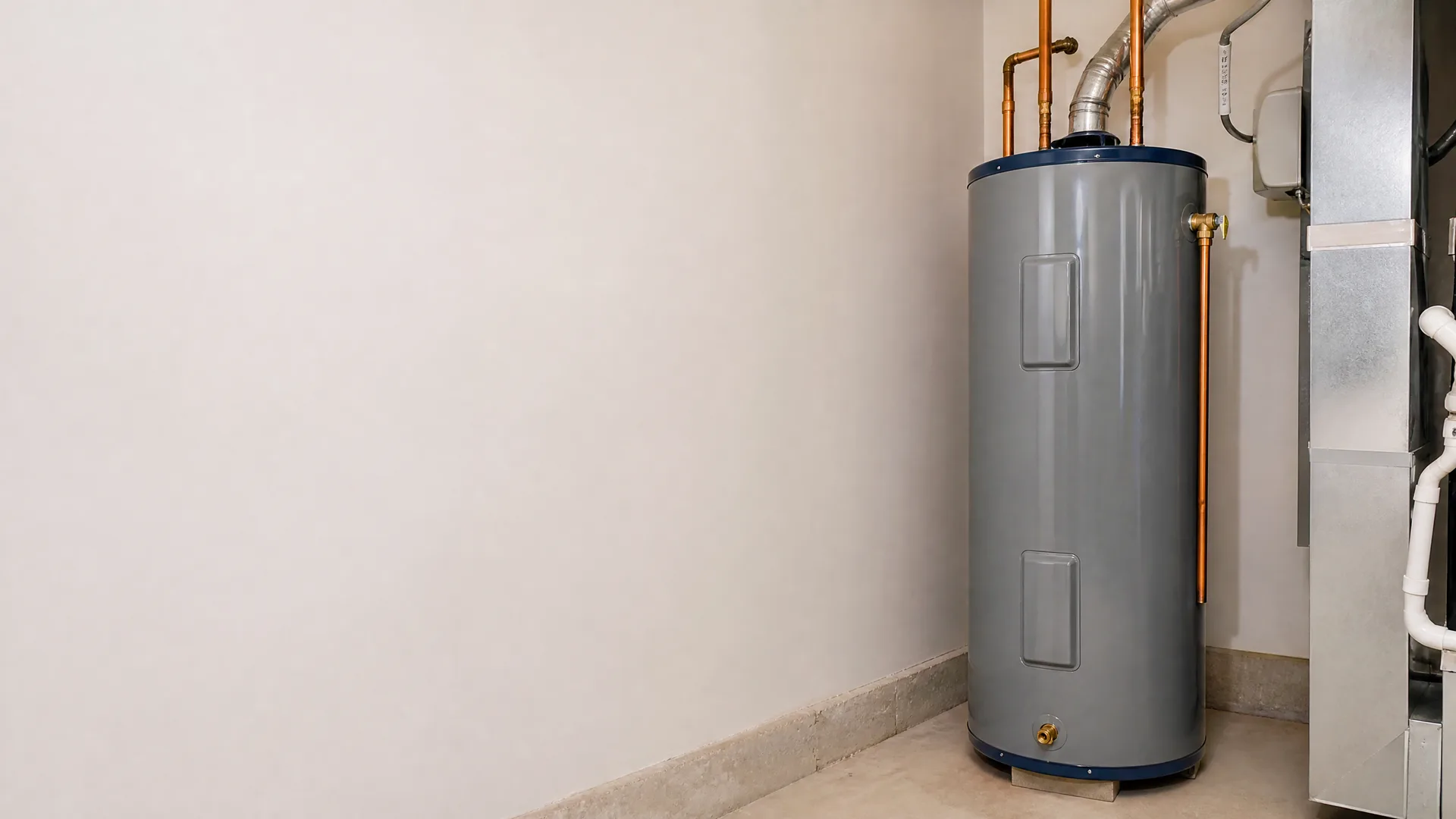
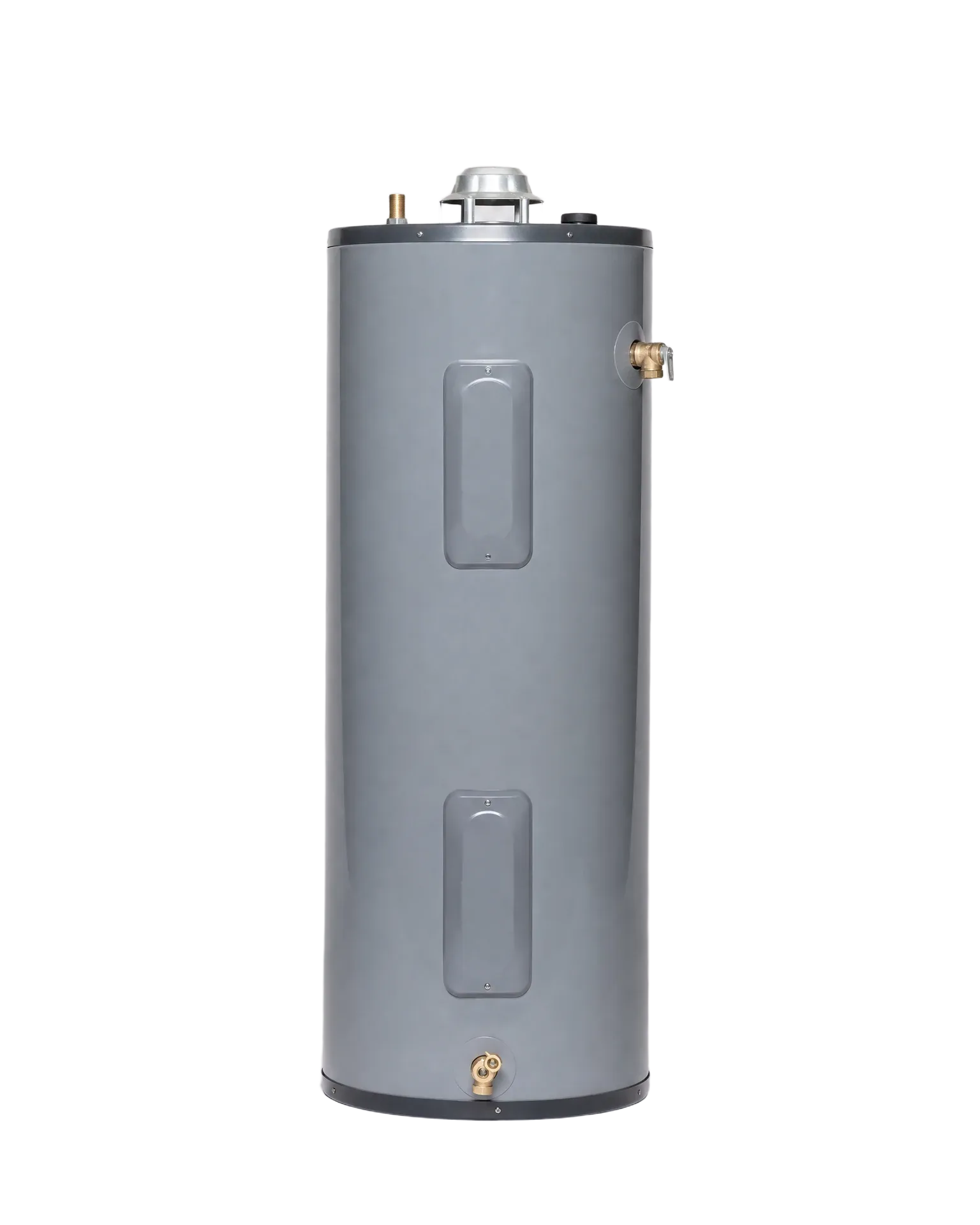
A gray cylindrical water heater with two access panels, a brass side valve, a bottom drain valve, and a metal vent cap on top, photographed against a plain light background.
Find a pro near me

120 degrees is the right setting for most water heaters in Iowa. That number gets you hot enough water for a shower or a load of dishes without the tank scalding anyone or burning through gas it doesn't need to. Since most homes here heat with gas, the setting matters less for your bill than it would with electric, but a tank running hotter than it needs to still wears the same way: more mineral buildup on the heating element or burner, more strain on the thermostat. If the dial on your tank is marked low, medium, high instead of degrees, medium usually lands close to 120. Check it with a thermometer at the tap if you want to know for sure. Anyone in the house with young kids or older skin may want it a few degrees lower, since scald risk goes up fast above 120.

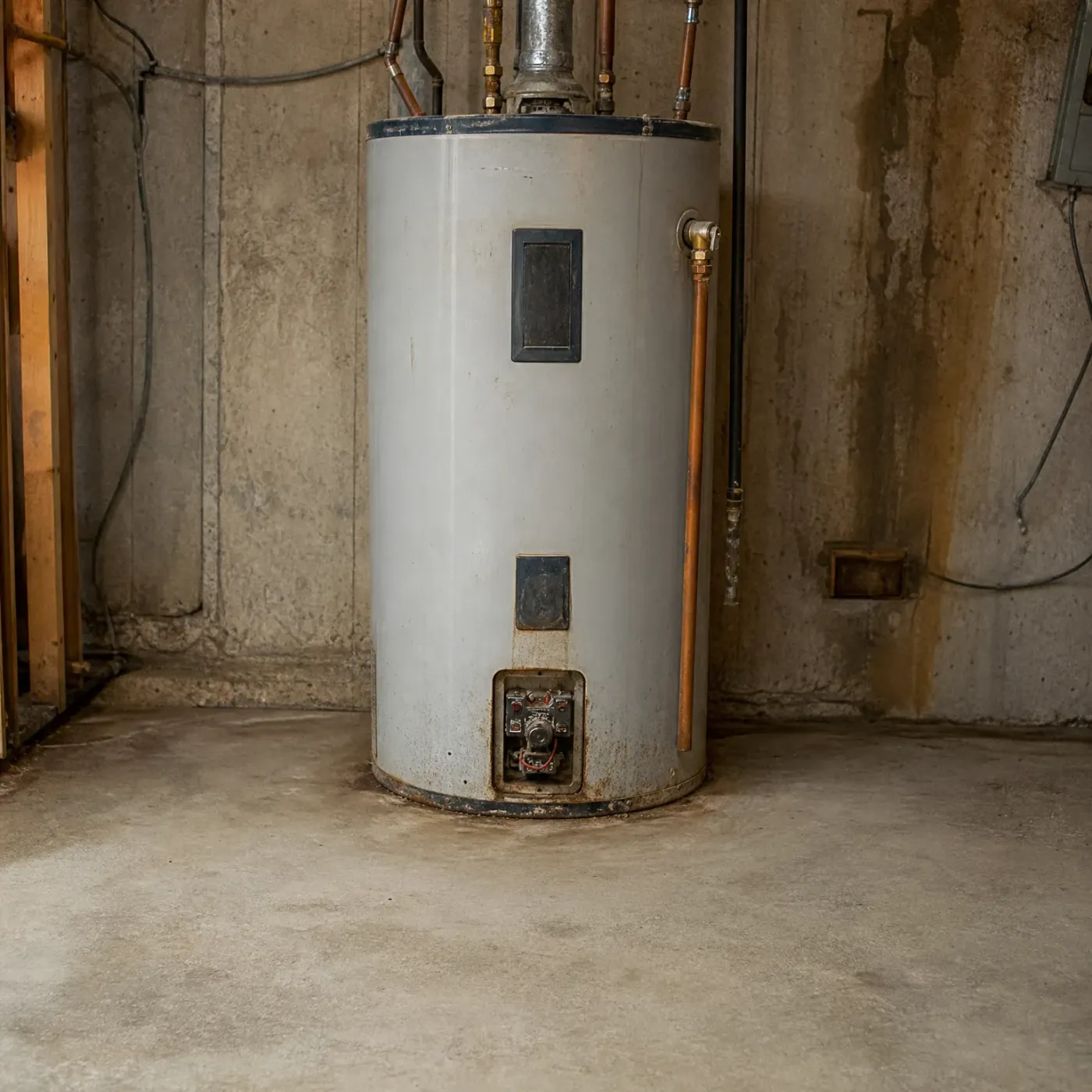
A white cylindrical water heater with copper piping and a gas control valve stands against a stained concrete basement wall on a bare concrete floor.
Before you get your water heater maintenance
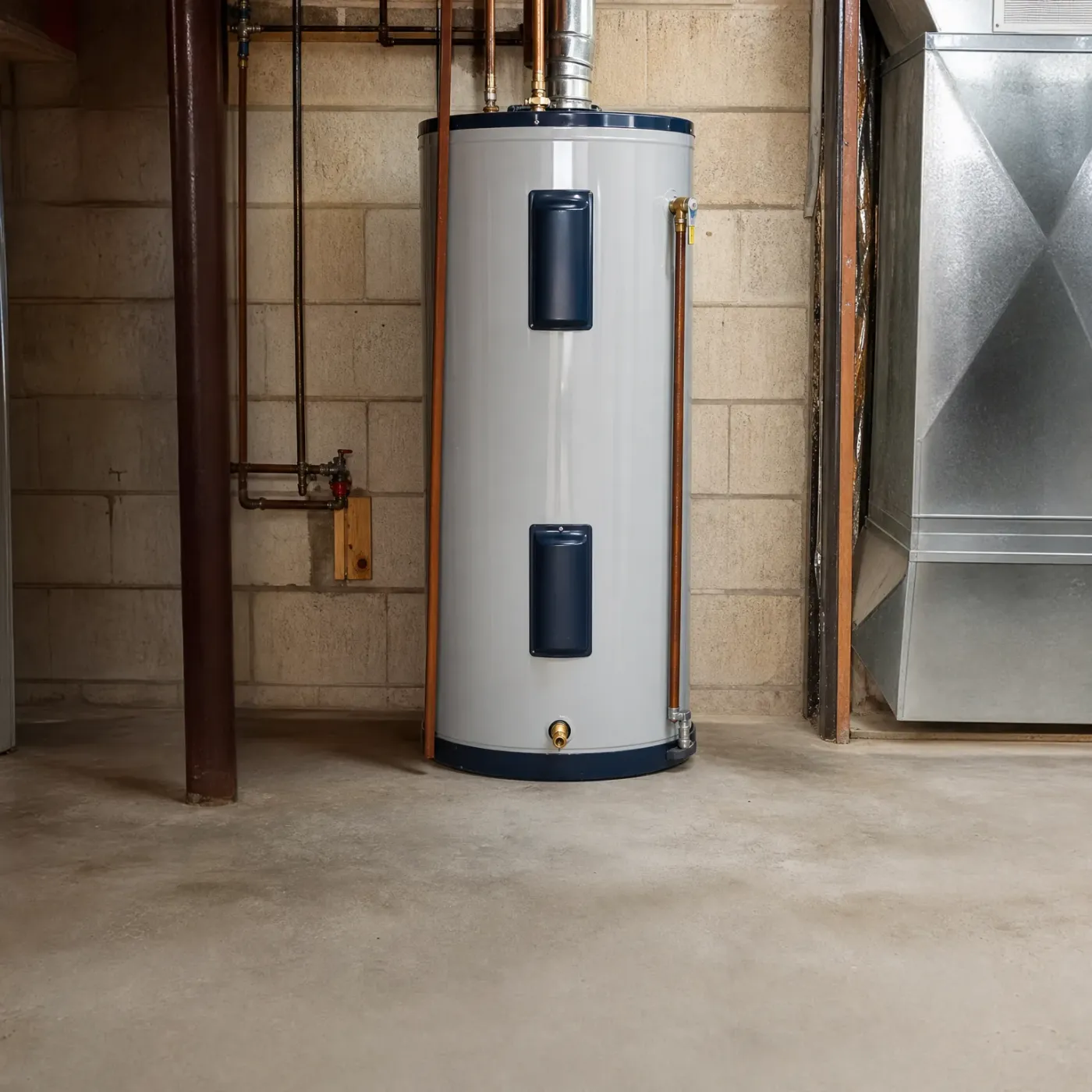
A white cylindrical water heater with two dark access panels stands on a concrete basement floor against a concrete block wall, with copper pipes, a flue duct above, and sheet metal ductwork at right.
After you get your water heater maintenance
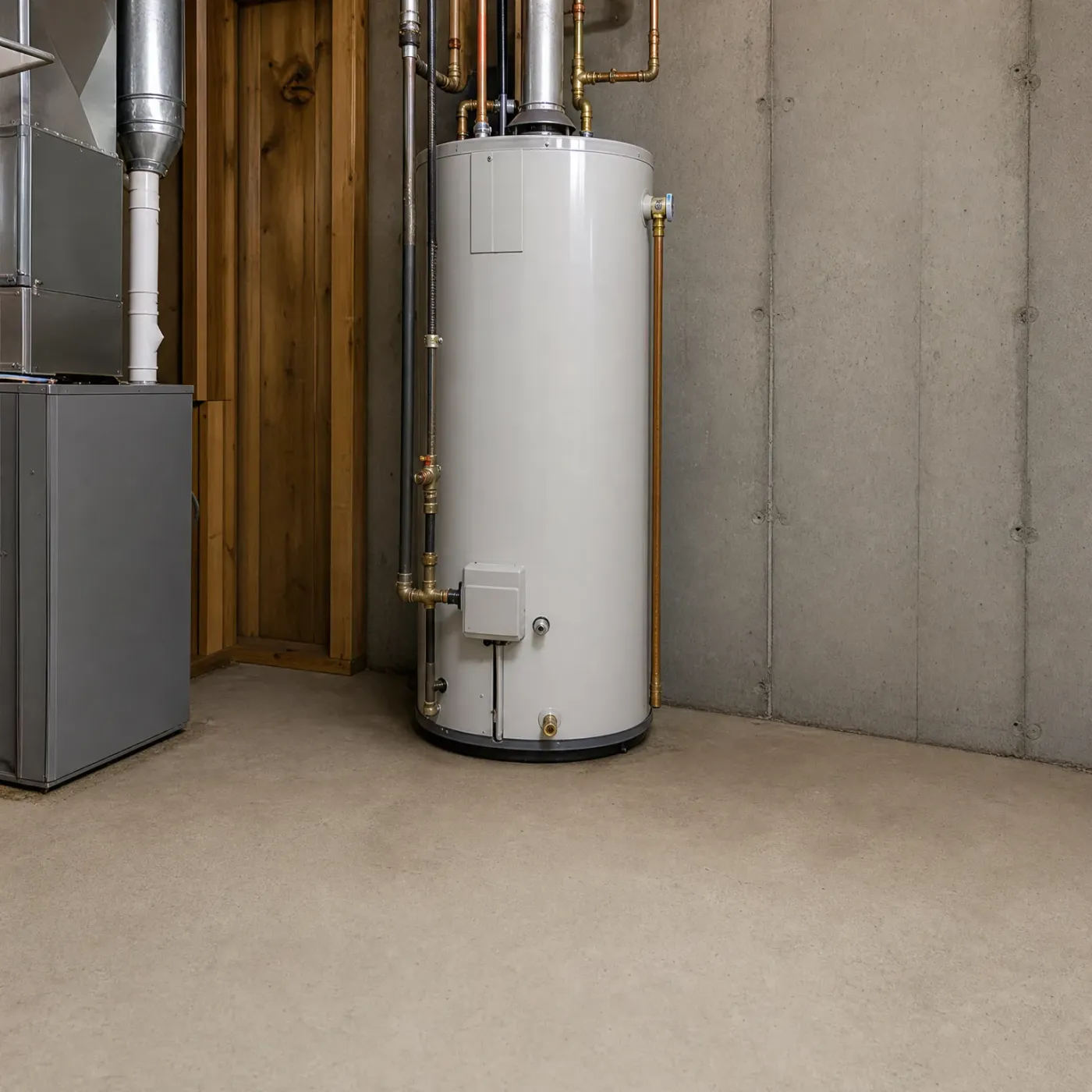
A white cylindrical gas water heater with copper and steel pipes stands against a concrete basement wall beside a gray furnace and wood-paneled wall.

Set correctly and maintained

This is what 120 degrees looks like holding steady. The gas line and venting run clean to the tank, and the burner only has to work as hard as the setting demands. A tank kept at the right temperature and checked on doesn't have to strain, and the connections stay sound for years.
A rust-streaked cylindrical water heater with copper and black metal pipes stands in a concrete-block basement corner on a bare concrete floor.

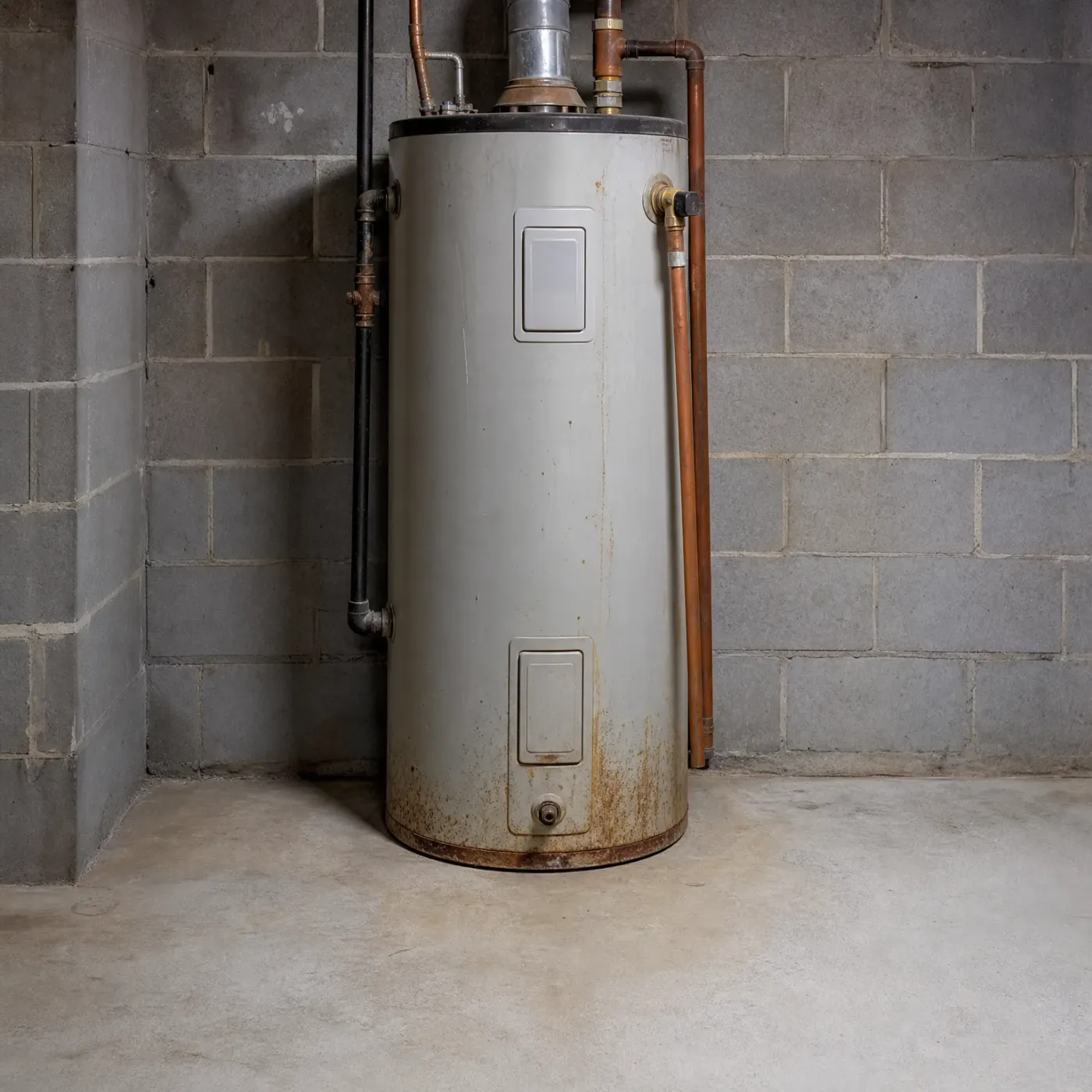
Left too hot or too long

Rust like this builds up slow, usually after a tank's been running hotter than it needs to for longer than anyone noticed. The seams and the base take the worst of it. By the time you see rust here, the tank has likely been working harder than 120 degrees ever requires.

120 Degrees or 140

120 degrees

  • Water this hot is ready for a shower or a load of dishes without any wait at the tap.
  • The burner cycles less because it isn't holding water hotter than any faucet in the house needs.
  • A tank set here is less likely to scald anyone, including kids or older adults in the house.
  • Gas spent heating past this point doesn't do anything extra for you, it just runs the bill up.
  • Most manufacturers build their tanks around this setting, so the thermostat and burner are working the way they were designed to.

140 degrees

  • Water from the tap comes out hot enough to scald in seconds, which matters if anyone in the house is young or elderly.
  • The tank holds more stored heat, so a houseful of people running showers back to back is less likely to run it cold.
  • The burner fires more often to hold the higher setting, and on gas that shows up on the bill over a year.
  • Scale builds faster in a tank run this hot, and scale sitting on the burner side of the tank makes it work harder to heat the same water.
  • Some older dishwashers without their own heating element were built expecting water this hot, though most sold now heat their own water.
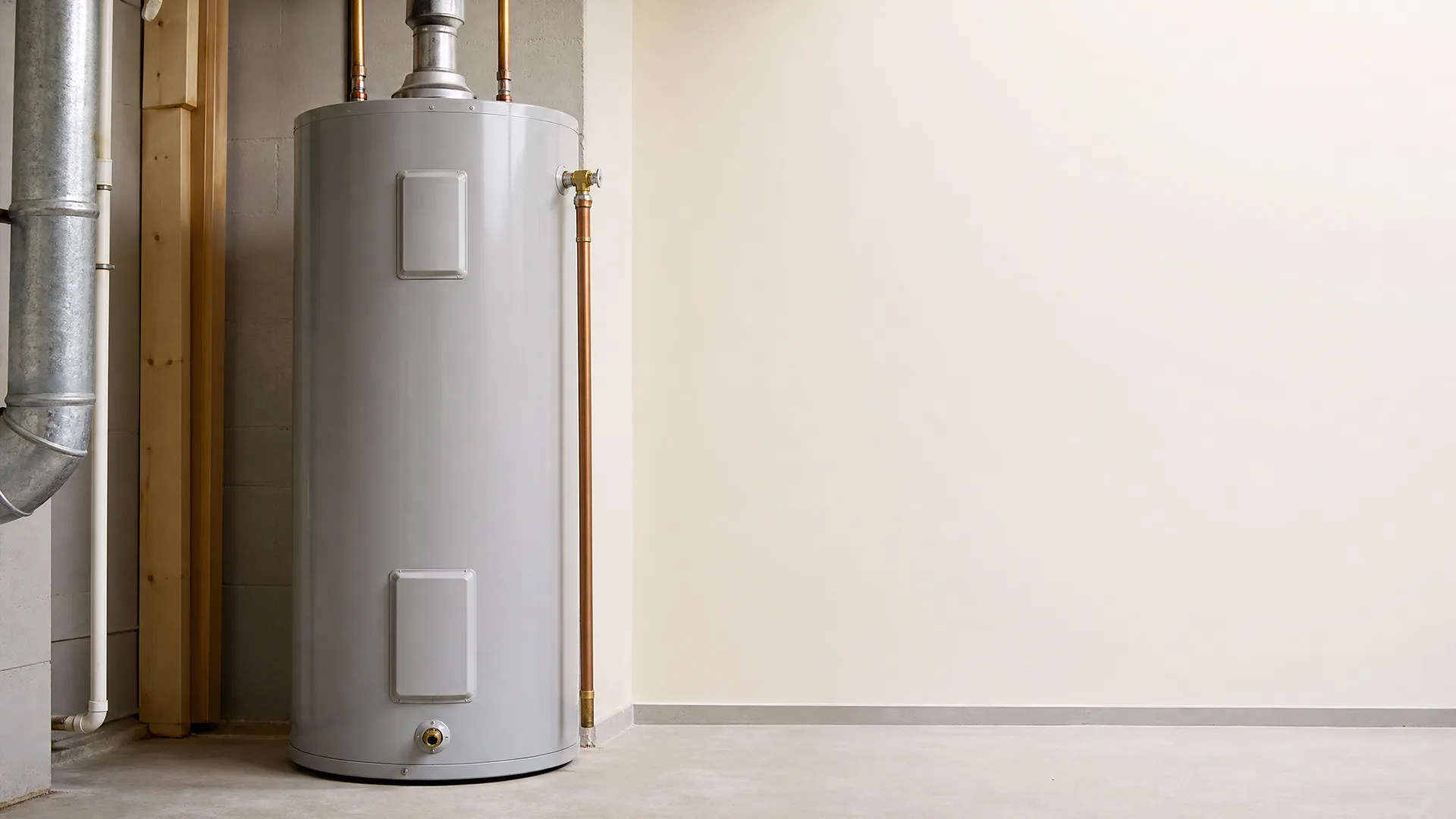
A gray cylindrical water heater with copper pipes stands in a basement corner beside a metal duct and wood framing, next to a plain beige wall and concrete floor.

Why 120 holds steady

A gas water heater keeps temperature with a thermostat sensing the water right at the tank, not the air around it. Set it once at 120 and it holds there, cycling the burner on and off to match what you use. Nothing about an Iowa winter or a muggy August changes how that thermostat reads the water, since the tank sits indoors away from outside temperature swings.

A gray cylindrical water heater with copper pipes stands in a corner of a basement utility room beside metal ductwork and white PVC piping.

What the dial actually controls

The dial on the front of the tank sets the thermostat, and that's the only thing that decides how hot the water gets. It doesn't change how fast the tank refills or how much hot water it holds. A bigger tank gets you more hot water at once, but moving the dial past 120 just means the same amount of water sits hotter, not that you get more of it.

Is your water heater set higher than it needs to be?

Turn on the hot tap and count how long before it's too hot to leave your hand under. If it happens fast, your tank is probably set well above 120 degrees. You might notice it more in summer, when the water coming into the tank is already warmer and the burner has less work to do, yet the tap still scalds quick. A thermostat set too high also means the burner fires more than it needs to, which shows up on your gas bill over time. If there are kids or older adults in the house, water that hot at the tap is a real risk, not just a cost.

A gray-haired bearded man in a dark coat and scarf dusted with snow stands smiling in a dimly lit entryway with a white front door, a side table with a lit lamp, an oval mirror, and a patterned rug.
An older bearded man in a dark snow-dusted coat and gray scarf stands just inside a dimly lit home entry, with a framed picture, lit table lamp, and an adjoining room with a fireplace behind him, and snow visible through the open door.
A gray-haired, bearded man in a dark snow-dusted coat stands smiling in a dimly lit entry hall with a staircase, a lit table lamp, a framed picture, and a living room visible through a doorway.
An older man with gray hair and a beard, wearing a dark jacket dusted with snow, stands smiling in a dimly lit hallway with lamps and a living room visible behind him.

A local pro for your water heater maintenance

Your request stays with one local pro.

You only hire the pro if you want to.

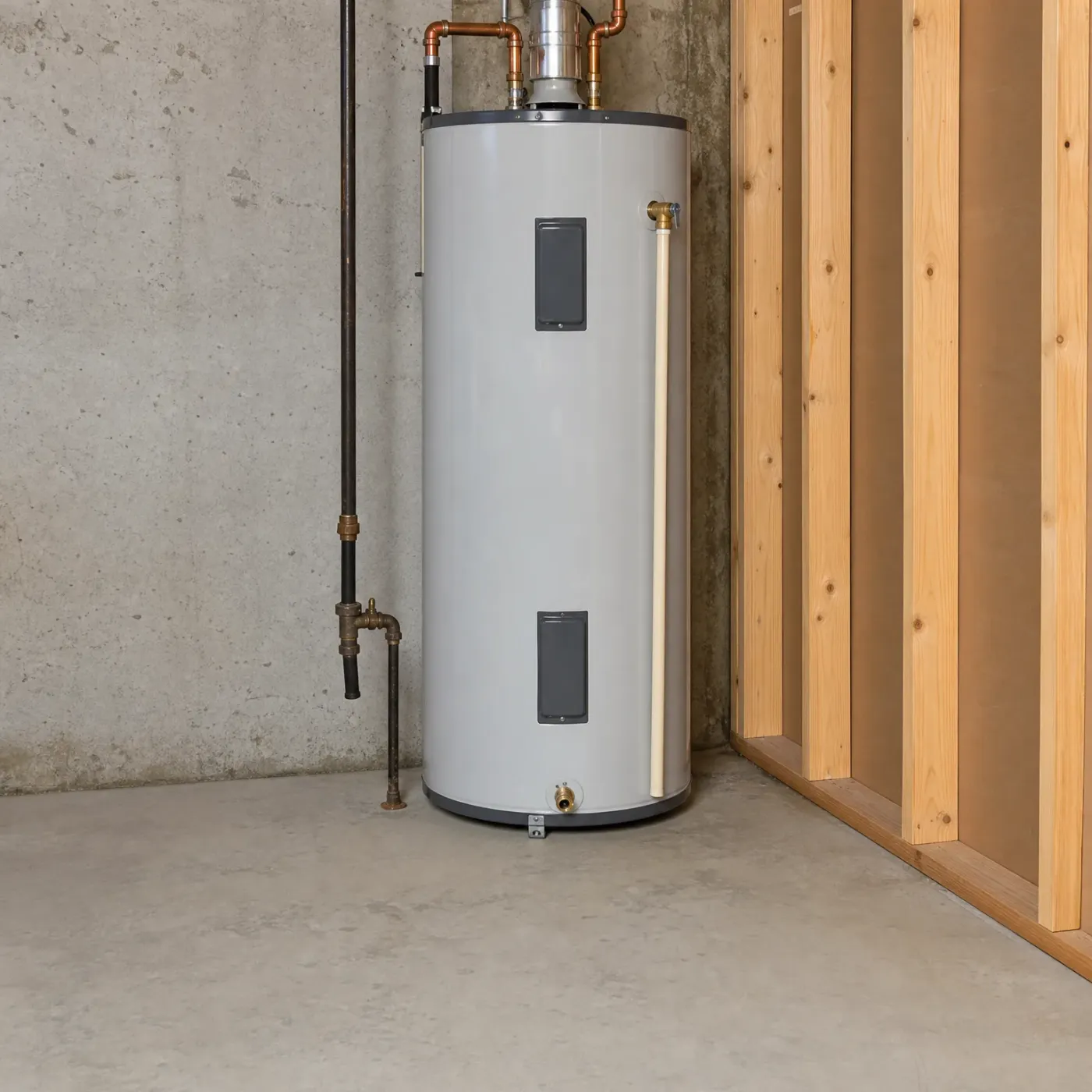
A light gray cylindrical water heater with two access panels stands on a concrete floor against a concrete wall, with copper and black pipes beside it and an unfinished wood stud wall to the right.

Running clean

This is a water heater doing fine at its job. The pipes are tight, the relief valve has its discharge tube routed down and away, and the drain valve at the base is free of scale buildup. Nothing here is fighting the setting on the thermostat.

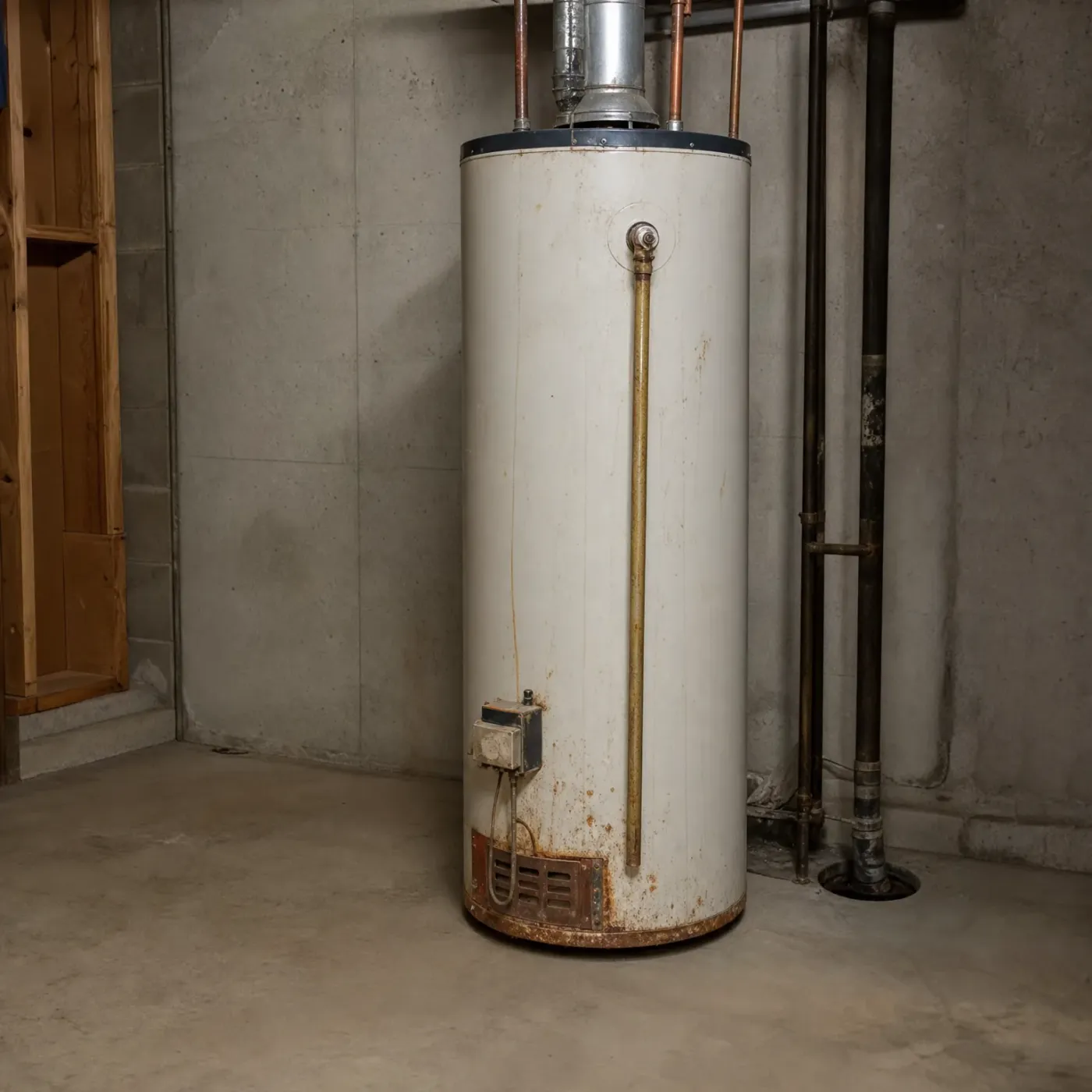
An older white gas water heater with rust staining and an exposed vertical pipe stands against a concrete block basement wall, with a metal flue above and black vertical pipes to the right.

Rust at the base

Rust like this on the lower section usually means water has been sitting against the metal, not just passing through. Once a tank starts rusting at the base, the setting on the thermostat stops being the only thing that matters. A contractor checking this one would look at the tank itself before touching the dial.

60.2% of homes statewide heat with gas

With most Iowa homes running a gas water heater, that thermostat dial is doing the real work, not a breaker. Gas burners respond fast to a 120 degree setting, so there's no reason to push it higher just to get hot water quicker.

ACS 2020-2024 5-year B25040

Leave the setting alone and you're trusting a dial that could be off from years of nobody checking it, or from a tank that was never set right when it was installed.

Have it checked once and you know the number on the dial is the number the water actually comes out at, with the gas valve and burner both doing their job at that setting.

A woman wrapped in a thick beige fleece blanket sits on a sofa with an open book on her lap, beside a lit table lamp, with a frost-covered window behind her.
A gray-haired woman in a cream knit sweater stands in a dimly lit kitchen at night, looking to her right, with a round loaf of bread in the foreground and a dark window and potted plant behind her.

120 Degrees, Confirmed and Left Alone

  • 120 degrees is the number that works for a gas water heater in an Iowa home, in any season.
  • A dial nobody has checked in years is a guess, not a setting, whether it reads high or low.
  • A contractor who works on tanks all over Iowa all year knows what wears out first on this equipment and what to check beyond the thermostat.
  • You get matched with one licensed local contractor, not a handful of companies competing for the same call.
  • Checked once and left at 120, the tank does its job without the burner working harder than the setting asks of it.
  • Where you land after this is simple: a dial set right, and someone local who can confirm it stays that way.

120 degrees is the setting for a gas water heater in an Iowa home. That holds true in January and it holds true in August. The only question worth answering is whether the dial on your tank actually reads that, and most homeowners have no way to check that without opening the panel and testing the water at the tap.

A dial that hasn't been looked at in years isn't telling you anything reliable. It could have been set wrong at installation. It could have drifted. Either way, the water at your faucet is the only proof, and most people don't think to test it until a shower runs too hot or dishes take too long to get clean.

This is where a local contractor earns the call. Someone who works on tanks across Iowa through every season has seen what actually fails on this equipment, not just the thermostat but the relief valve, the drain valve, the venting. That's a different kind of check than guessing at a dial.

You get matched with one contractor, licensed and local, not a list of companies calling you back at once. They confirm the setting, check what else needs checking, and leave the tank running the way it's supposed to. A water heater set right and looked at once in a while doesn't cost you anything extra. It just does its job.

A single-story stucco house at dusk with a lit paver walkway lined by low path lights, desert plants and boulders in front, and distant mountains under an orange and blue sky.

Water Heater Maintenance

Get the right pro for your water heater

Step 1 of 3: Equipment
  • A corner of a room with an upholstered wood-framed armchair holding a floral pillow, a round side table with a ceramic lamp, books and a vase of greenery, a framed landscape painting on the wall, a patterned rug, and a sunlit multi-pane window.
    • Say what's going on with your water heater, and a pro who works on them reaches out.
  • Interior corner with a wood-framed window showing green foliage outside, a framed landscape print on a beige wall, and a rounded stone vase of leafy branches on a wooden cabinet.
    • Send the form, and lining up the water heater tune-up stops being yours to chase.
    • Send the form and the water heater tune-up stops being something to remember.
  • A pale ceramic vase holding olive branches sits on a dark wooden countertop beside a carved wooden dough bowl, next to a wood-framed window and a light painted plank wall.
    • Fill out one form instead of calling around for a water heater tune-up.
    • Skip calling around to set up a water heater tune-up.
  • A dark wood round side table holding a brass lamp with a cream shade, a blue-and-white patterned bowl, and a white textured pot of greenery, beside an upholstered chair with a gray patterned cushion and a white-framed window showing green trees and flowering shrubs.
    • Your request goes to one pro, not a list of companies.
    • The pro who reaches out is licensed in Iowa.