 Let a pro reach out
What size water heater an Iowa home needs
Send the form and stop researching installers for the new water heater.
A family of four in Iowa usually needs a 50 gallon tank if it runs on gas, or a 50 to 80 gallon tank if it runs on electric. Gas units recover faster, so they can get by with less storage. The right size also depends on how many bathrooms you have and whether the tank has to keep up with a washing machine and a dishwasher running at the same time.
Most homes in Iowa heat water with gas, which matters here. Gas water heaters work during a power outage, since many run on a standing pilot that doesn't need electricity at all. That's worth knowing with how hard winters get in this state and how often storms knock the power out.
Getting the size wrong is a real cost. Too small, and you run out of hot water partway through a shower. Too big, and you are paying to keep water hot that nobody uses, every single day it sits in that tank.
Figuring this out on your own usually means calling around to a handful of plumbers, explaining your household size and your bathroom count each time, then sitting on quotes that are hard to compare because nobody sized the job the same way. Send the form on this page instead, and that work is no longer yours to do. You will not be the one tracking down who is licensed, who is free, or who gives a straight answer on sizing. That part is off your plate once you hit send.
What is left is a sizing question with a right answer for your home, and a licensed plumber who can give it to you.
A family of four in most Iowa homes does fine with a 50 gallon gas water heater, since most homes here heat with gas and gas units recover fast enough that they don't need the extra storage an electric tank does. If yours runs on electric instead, plan on 50 to 80 gallons to cover the same household, because electric heaters take longer to reheat a full tank between uses. The right number also moves with how many bathrooms you have and how many people are actually running water at once, morning showers stacked against a dishwasher or a load of laundry. Undersize it and you'll feel it as lukewarm water partway through a shower. Go too big and you're paying to keep water hot you don't use. Getting the gallon count right for your household, and for gas or electric, is the first thing to settle before anyone talks about installing one.


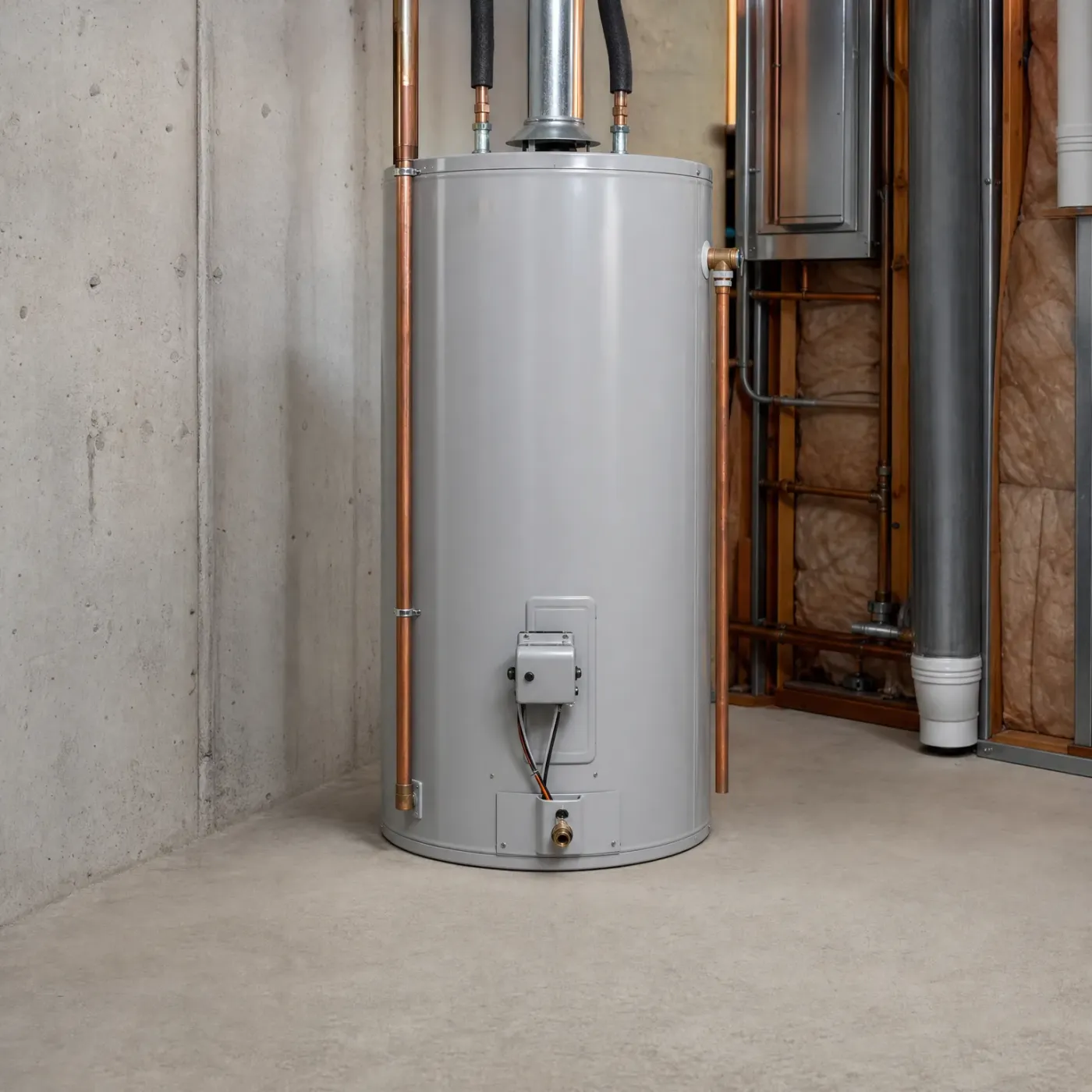
A gas burner sits under the tank and brings the whole tank back up to temperature in under an hour. That speed is why a gas water heater can run smaller than an electric one and still keep up. Electric units heat with two elements inside the tank, and recovery takes longer, so an electric tank has to hold more water to cover the same stretch of showers and laundry. The number that tells you what a tank can really deliver is the first hour rating on the EnergyGuide label, not the gallon count by itself. Two showers running with the dishwasher going can pull hot water out faster than the burner or elements can replace it, and that's when the water runs cold partway through. A gas unit also needs a flue to vent exhaust, so the spot it goes in has to work for venting, not just floor space. And if you're replacing a unit that already fits a closet or alcove, check the new tank's width and height. Brands don't build to the same dimensions even at the same gallon size.
How Sizing Actually Works
- A gas water heater's burner sits under the tank and reheats the full volume in under an hour, which is why it needs less stored capacity than electric.
- An electric water heater relies on two heating elements inside the tank, and recovery runs slower, so sizing leans on stored gallons instead of speed.
- First hour rating, printed on the EnergyGuide label, tells you how much hot water a tank can deliver in 60 minutes, not just how many gallons it holds.
- Running two showers and a dishwasher at once draws down a tank faster than its burner or elements can replace the water, which is when it runs cold.
- A gas unit vents exhaust through a flue, so the install has to account for venting, not just where the tank itself fits.
- Tank diameter and height vary by brand even at the same gallon rating, which matters if the new unit has to fit the same closet or alcove as the old one.




Send one request and you're done looking
Picking the wrong size now means dealing with it twice. Too small and showers run cold by the third one; too large and gas gets burned reheating water nobody used. Getting this right means knowing your household, your bathrooms, your laundry habits, and matching that against tank sizes and recovery rates, then finding a contractor who installs the size you actually need instead of whatever they have on the truck. That's calls to local plumbers, explaining your setup to each one, waiting on quotes, trying to tell who's giving you a straight answer. Send the request and that work is gone. One contractor gets it, looks at your home, and tells you what size fits. You're not stuck sorting through five bids or repeating yourself to every plumber in the county. The tank you end up with should match the house you live in, not just the one that happened to fit last time.
What the Wrong Size Costs You
- An undersized gas tank shows up as the fourth shower running lukewarm instead of hot.
- A load of laundry running at the same time as a shower will empty an undersized tank faster.
- An oversized tank keeps reheating water nobody used, and on gas that means burning more than your household needs.
- A tank too small for your bathrooms means someone in the house is always waiting for a refill.
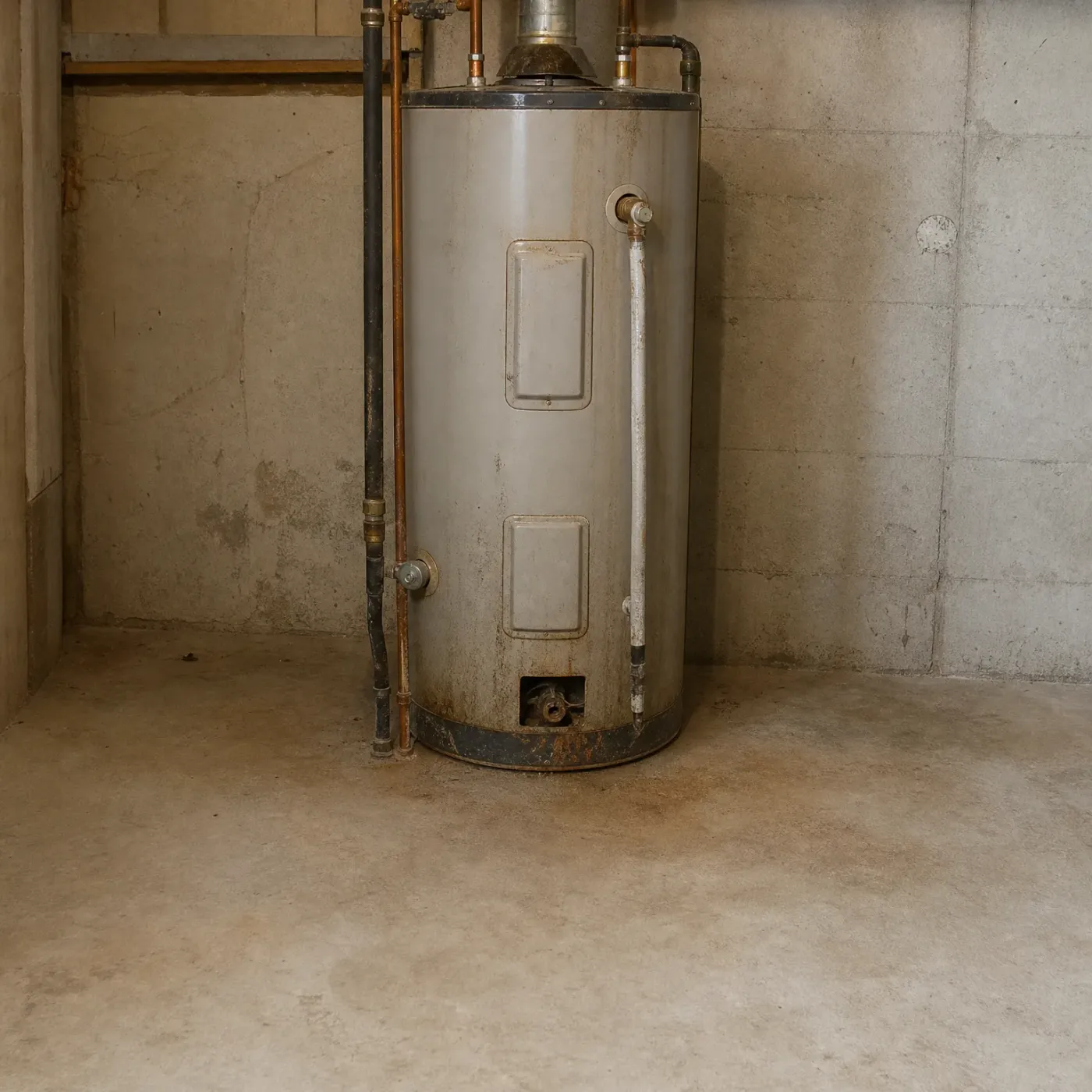
- Rust at the base or along the seams means the tank is failing, and replacing it with the same wrong size just repeats the problem.
- Getting the size right the first time means one installation instead of swapping it out again in a year or two.
A water heater sized wrong doesn't fail right away. It shows up in small moments. The last person to shower gets lukewarm water instead of hot, because the tank ran out before the burner could catch up. Run a load of laundry at the same time as showers and an undersized tank falls behind even faster, since both draw from the same supply. Go too big the other way and the tank sits there reheating water nobody used, and on a gas system that's gas spent for nothing. A household with three or four bathrooms and a full laundry routine needs a tank that matches that pace, not a generic size picked without knowing how the house actually runs. If rust is showing at the base or creeping along the seams, the tank itself is done, and that's a separate problem from sizing, but replacing it with another wrong-sized unit just sets up the same trouble again down the road. The point of getting the size right is that it only has to happen once. A tank matched to your bathrooms and your household doesn't need a second look in a year or two because someone guessed low, or a higher gas bill because someone guessed high. It just works the way it's supposed to, and you stop thinking about it.
60.2% of homes statewide heat with gas
Most houses in Iowa heat with gas, and yours probably does too. That matters for sizing because a gas tank doesn't need the same cushion an electric one does. Plan around a 50 gallon gas unit first, then check your bathroom count against it.
ACS 2020-2024 5-year B25040

A 50 gallon gas tank fits most Iowa homes
A family of four with a gas water heater does fine at 50 gallons. If you're on electric, you need more storage, somewhere between 50 and 80 gallons, to make up for slower recovery. Bathroom count and laundry habits can push you up a size either way, but that's the range most households fall into.
Sorting that out on your own means calling around to different contractors, explaining your household and your old tank's size to each one, then trying to compare quotes that don't quite match up. Send the form instead and that part is off your plate. Someone licensed to install in Iowa takes it from there, sized to the home you actually have.

Finding a pro stops being your job
Explain the job once and skip repeating it on every call.