Tell us about the job
Takes about a minute. No obligation.
A contractor called out to a water heater repair in Marshall County has to settle one question before they can write a scope: what actually broke this unit. 125 severe weather events were recorded in Marshall County, Iowa between 2015 and 2024. At that rate, severe weather is a standing feature of life here, and the stress it puts on a water heater over years is genuine. Sediment buildup accelerates, anode rods deplete faster, and pressure-relief valves take more cycles. That history shapes which parts a contractor checks first and which failures they expect to find. A unit that looks storm-worn may still have a corroded dip tube or a failed heating element that has nothing to do with weather, and a contractor who assumes the weather explains everything will miss it.
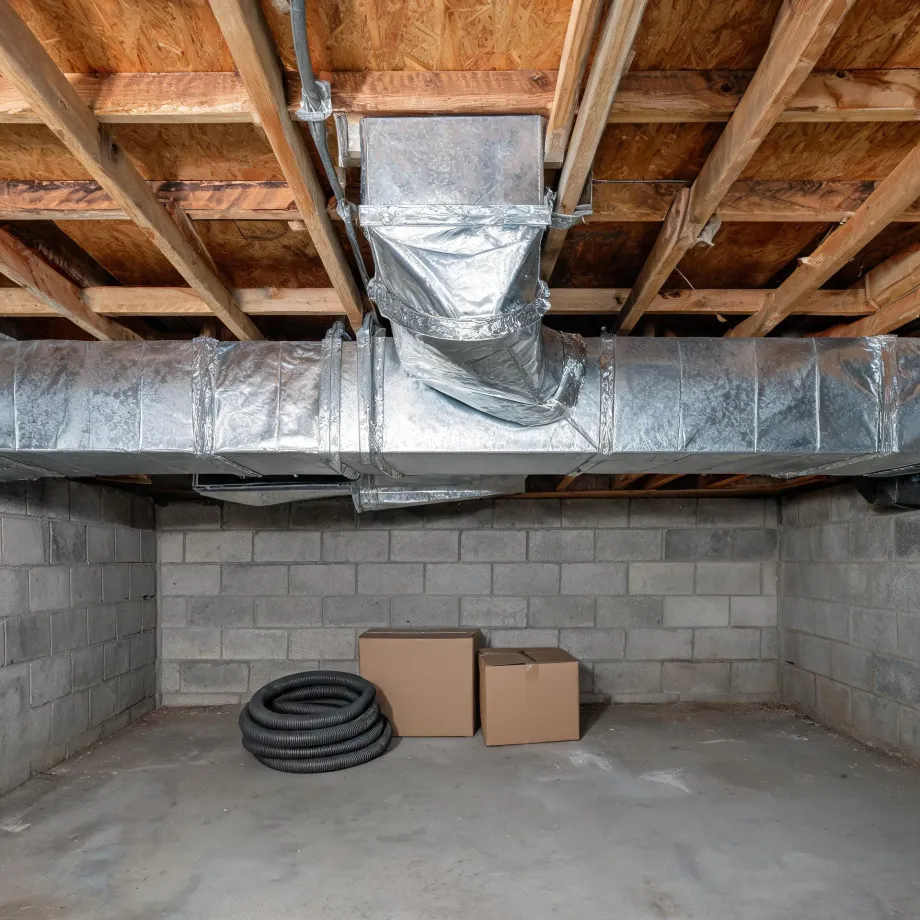
Water heaters in houses this old have often been replaced more than once, and each swap left behind its own connections, fittings, and improvised fixes. Half the homes in Marshall County, Iowa were built in 1958 or earlier (2020-2024 ACS 5-year). When a contractor opens a unit here, what they find dictates the job: corroded fittings, nonstandard connections, or a model whose replacement parts have gone out of production all change what a repair costs and whether one is even practical. Age of the house sets the context, but the opened system decides it.
The Parts of a Water Heater a Contractor Checks During a Repair
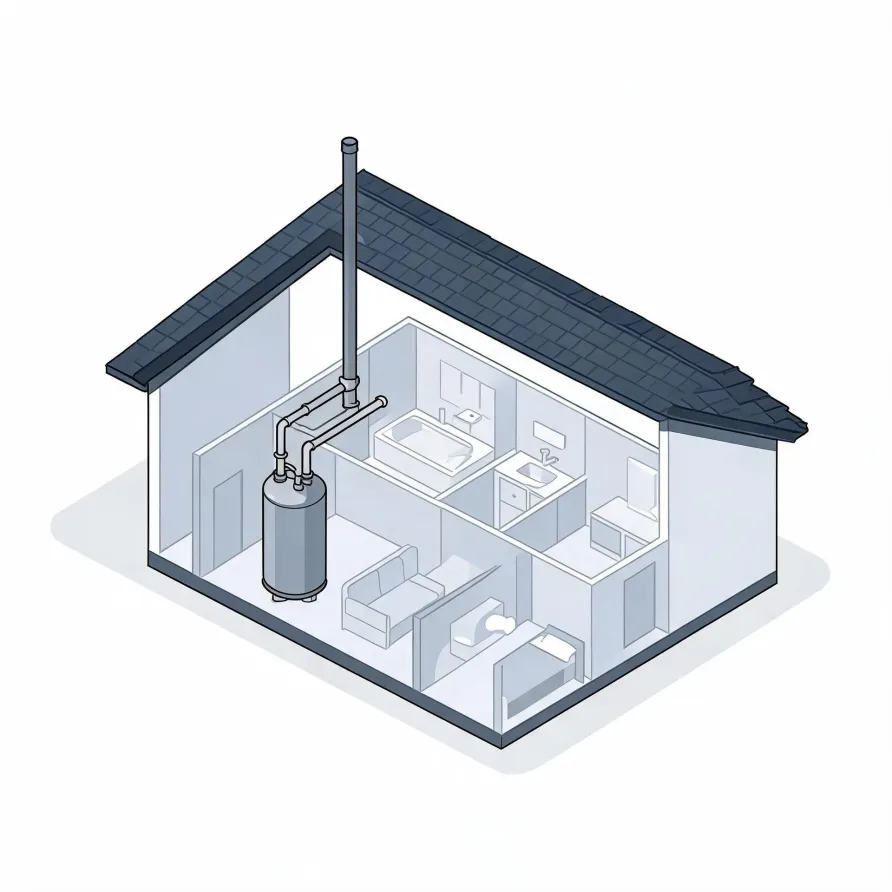
The tank is the piece most homeowners recognize, a large insulated vessel that sits in a utility room, basement, or garage and holds water at a set temperature. The burner assembly or heating element sits at or near the base of the tank and is the first place a contractor looks when the water is not reaching temperature or is not staying there.
The thermostat controls when heat is applied and at what level, and a fault here can mimic problems that look like burner or element failure. The pressure relief valve mounts on the side of the tank and opens if pressure builds too high. The anode rod runs down through the tank interior and slows corrosion from the inside out.
The drawing shows the general layout of a water heater system, and a licensed contractor determines which parts apply to the specific unit and conditions in your home.
Get matched in Marshall CountyMarshall County, Iowa, by the numbers
125 severe weather events were recorded in Marshall County, Iowa between 2015 and 2024.
NOAA National Centers for Environmental Information, Storm Events Database, bulk CSV export, events 2015-01-01 through 2024-12-31.Half the homes in Marshall County, Iowa were built in 1958 or earlier (2020-2024 ACS 5-year).
U.S. Census Bureau, 2020-2024 American Community Survey 5-Year EstimatesMarshall County, Iowa holds 16,937 housing units (2020-2024 ACS 5-year).
U.S. Census Bureau, 2020-2024 American Community Survey 5-Year EstimatesOwners occupy 75.0% of the occupied homes in Marshall County, Iowa (2020-2024 ACS 5-year).
U.S. Census Bureau, 2020-2024 American Community Survey 5-Year EstimatesRules & Standards Governing Water Heater Repair in Marshall County, Iowa1 sourced rules and standards
What Marshall County, Iowa Requires for HVAC Repair
Iowa requires a state licence to install or repair HVAC, refrigeration, mechanical or plumbing systems, and to operate as a contractor, with exceptions listed in section 105.11.
Severe Weather Events in Marshall County
Extreme weather puts real stress on water heaters, whether from power surges, extended outages, or sharp swings in incoming water temperature. How much of that stress a unit in Marshall County absorbs over time shapes how often it needs attention and what kind.
125 severe weather events, 2015–2024. Source: NOAA National Centers for Environmental Information, Storm Events Database.