Get matched with someone who does this kind of work in Scott County.
A pilot light that won't stay lit usually means a cold shower is next, and in Davenport that's a bad time of year for it. Most homes in Scott County run gas water heaters, and a dead pilot can come from a few different places: a weak thermocouple, a draft near the burner, a clogged orifice, or a gas valve on its way out. Some of those a homeowner can check. Others need a licensed hand on the valve.
You could spend the afternoon figuring out which one it is yourself, or you could spend it calling around Scott County for a plumber who answers the phone, explaining the same problem three or four times, then sitting with a stack of quotes trying to guess which one is fair. That's the part that eats the day, not the actual fix.
This page exists to skip that part. Tell it what's going on with your water heater, and it matches you with a contractor who works in the Davenport area and knows gas water heaters, pilot assemblies included. That contractor reaches out to you directly. No more being on hold, no more re-explaining the problem to the next person who picks up.
Winters here are hard enough without cold water added to it. Power in this area is cheap, which is part of why gas water heaters are so common here, but it also means the pilot and thermocouple are doing work that an electric unit's igniter would otherwise handle. When that pilot goes out repeatedly, it's worth having someone look at the actual part rather than relighting it over and over and hoping it holds.
What happens next isn't a sales call. It's a contractor who already knows what you're dealing with, reaching out to set up a time to look at it. The matching is free. What the fix costs depends on what's actually wrong, and that's something only an in-person look can answer.
Why does my water heater's pilot light keep going out?
You keep relighting the pilot and it holds for a day, maybe less, then goes dark again. That gets old fast, especially with a cold snap coming through Scott County and a shower that won't warm up. Before you call anyone, it helps to know what actually makes a pilot quit, because the fix depends on which part is causing it.
Usually a worn thermocouple, sometimes a draft or a dirty pilot tube
The thermocouple is a small sensor that sits in the pilot flame. Its job is to tell the gas valve the flame is lit. Once it wears out, it stops sensing heat fast enough and the valve shuts the gas off, even though the pilot was burning fine a second ago. A draft reaching the burner compartment can blow the flame out the same way, which matters in older basements and utility closets where a door or vent lets in outside air. Less often the pilot tube itself is clogged with soot and the flame is too small to keep the thermocouple warm. Each of these needs a different fix, so what killed your pilot once will likely kill it again until that part gets replaced or cleared.
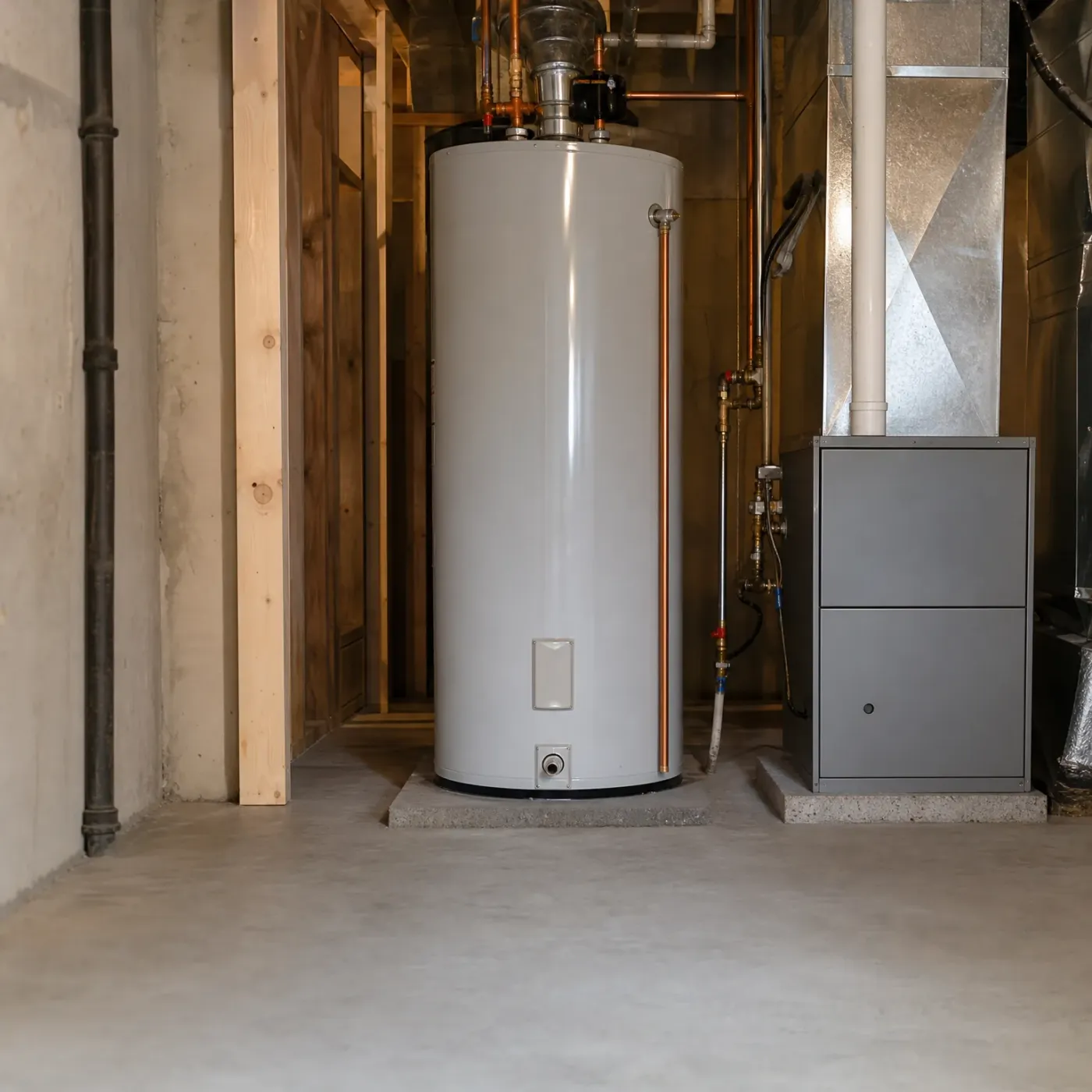
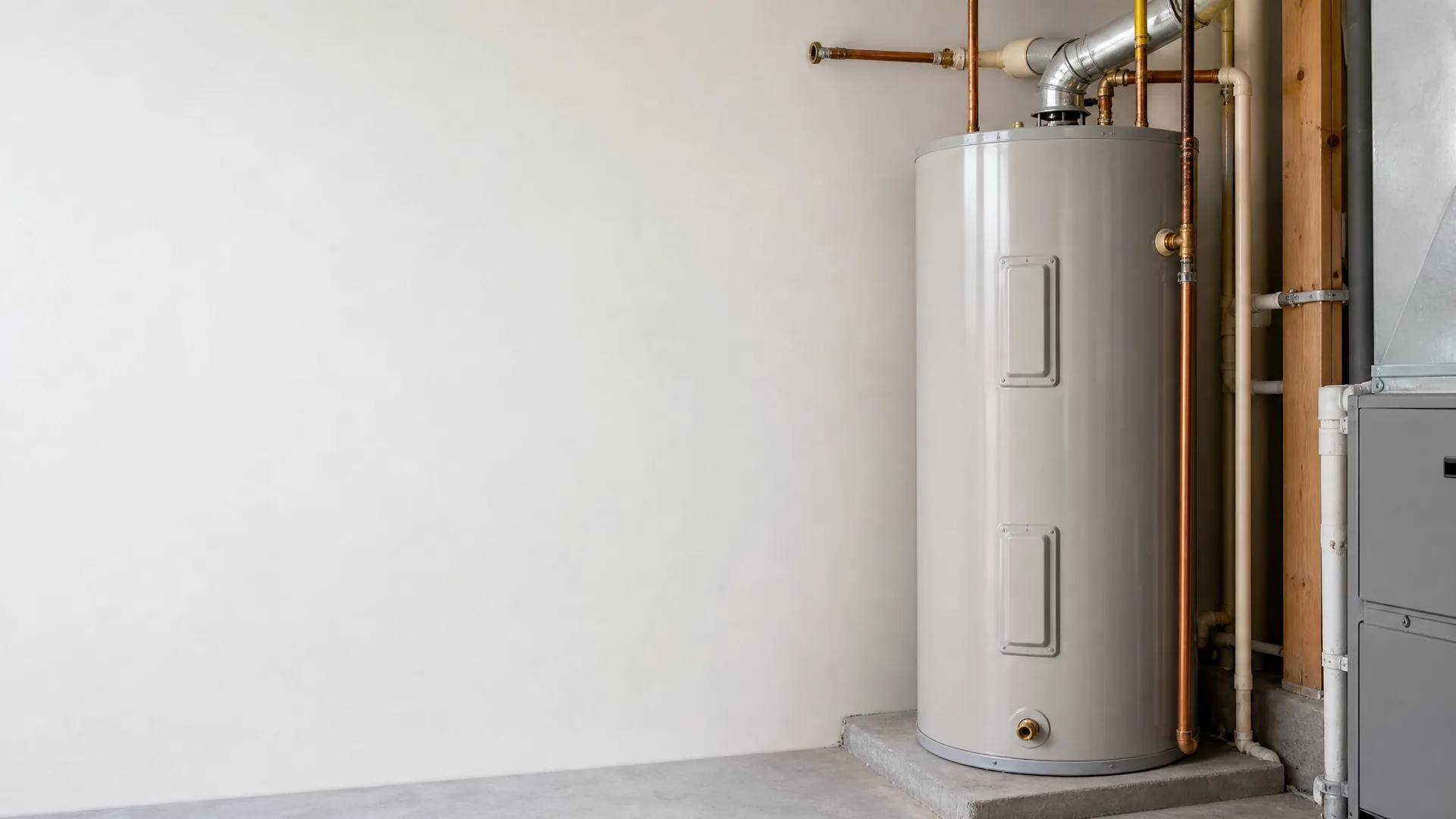
Pilot lit and holding
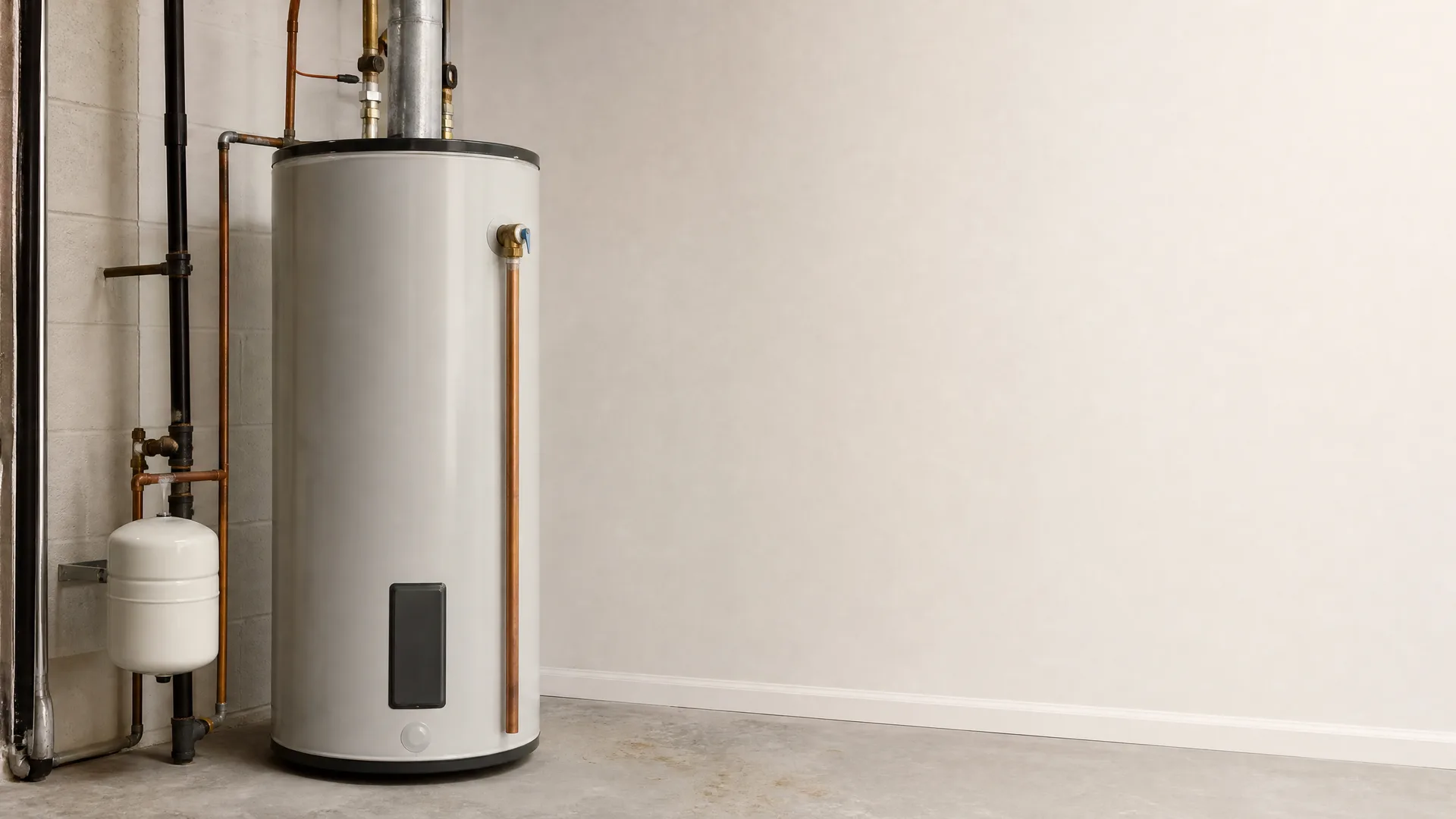
This is what you want to see: the pilot burning steady, the burner kicking on when the tank calls for heat, hot water on tap. The thermocouple is sensing the flame and keeping the gas valve open the way it should. Nothing for you to do here but check on it now and then.
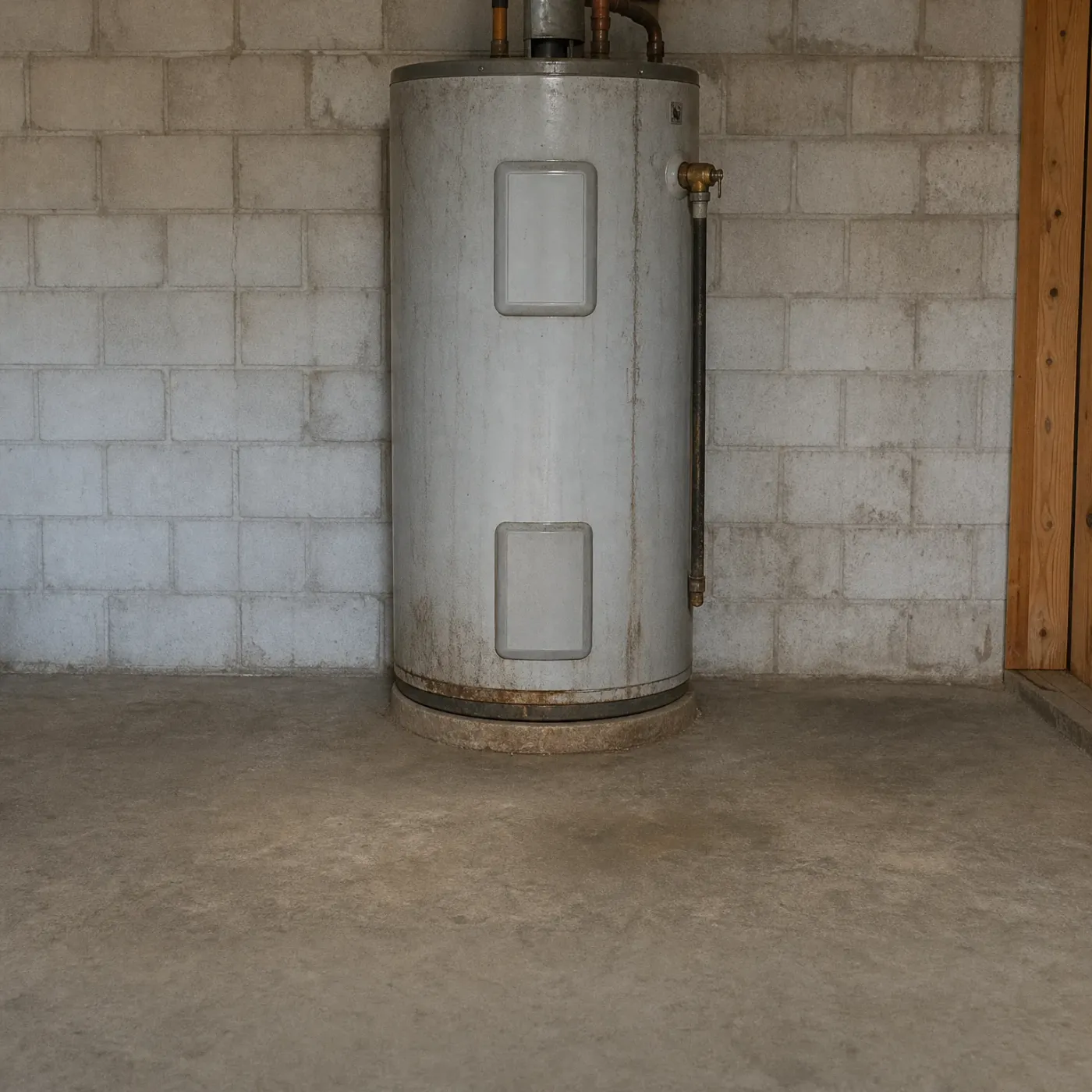
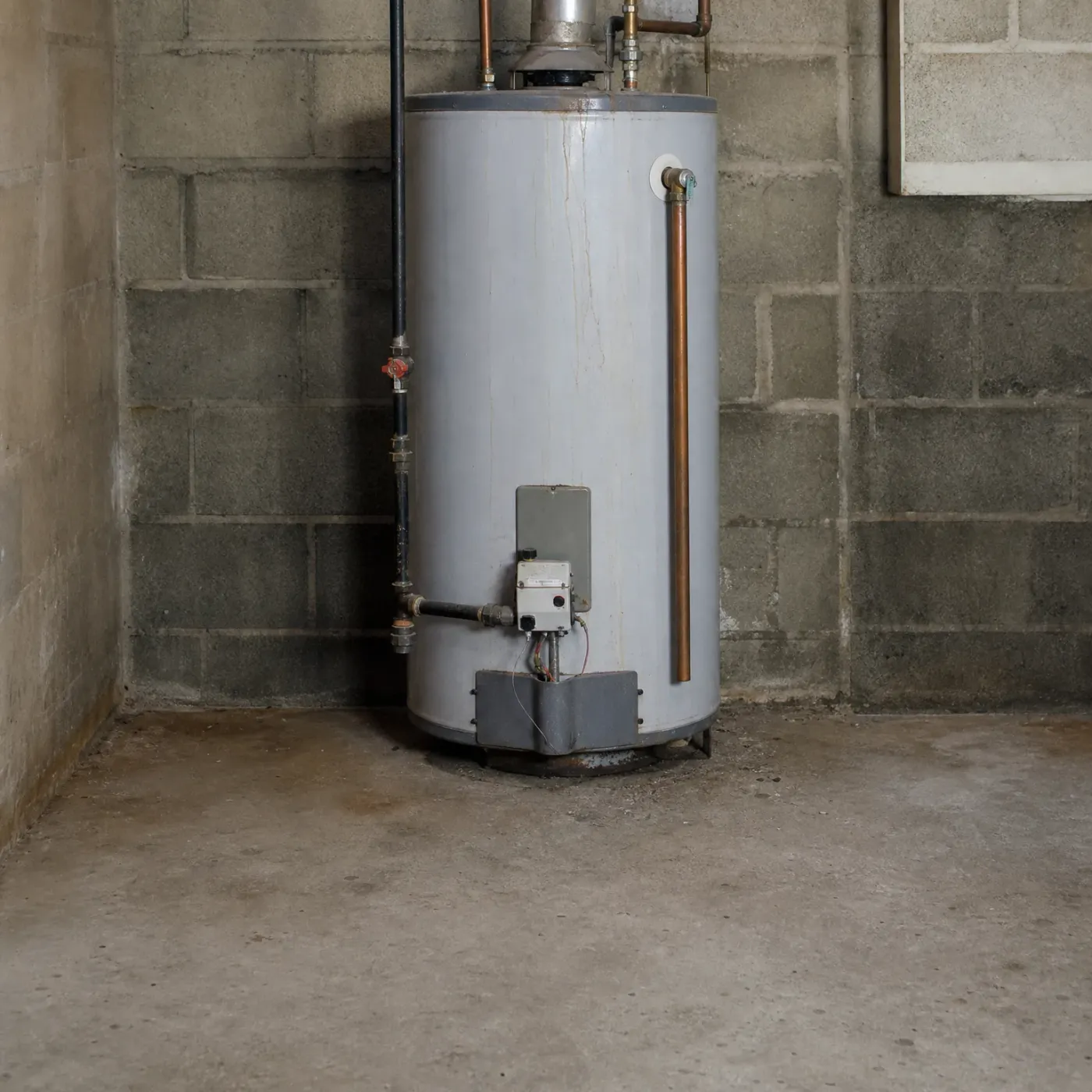
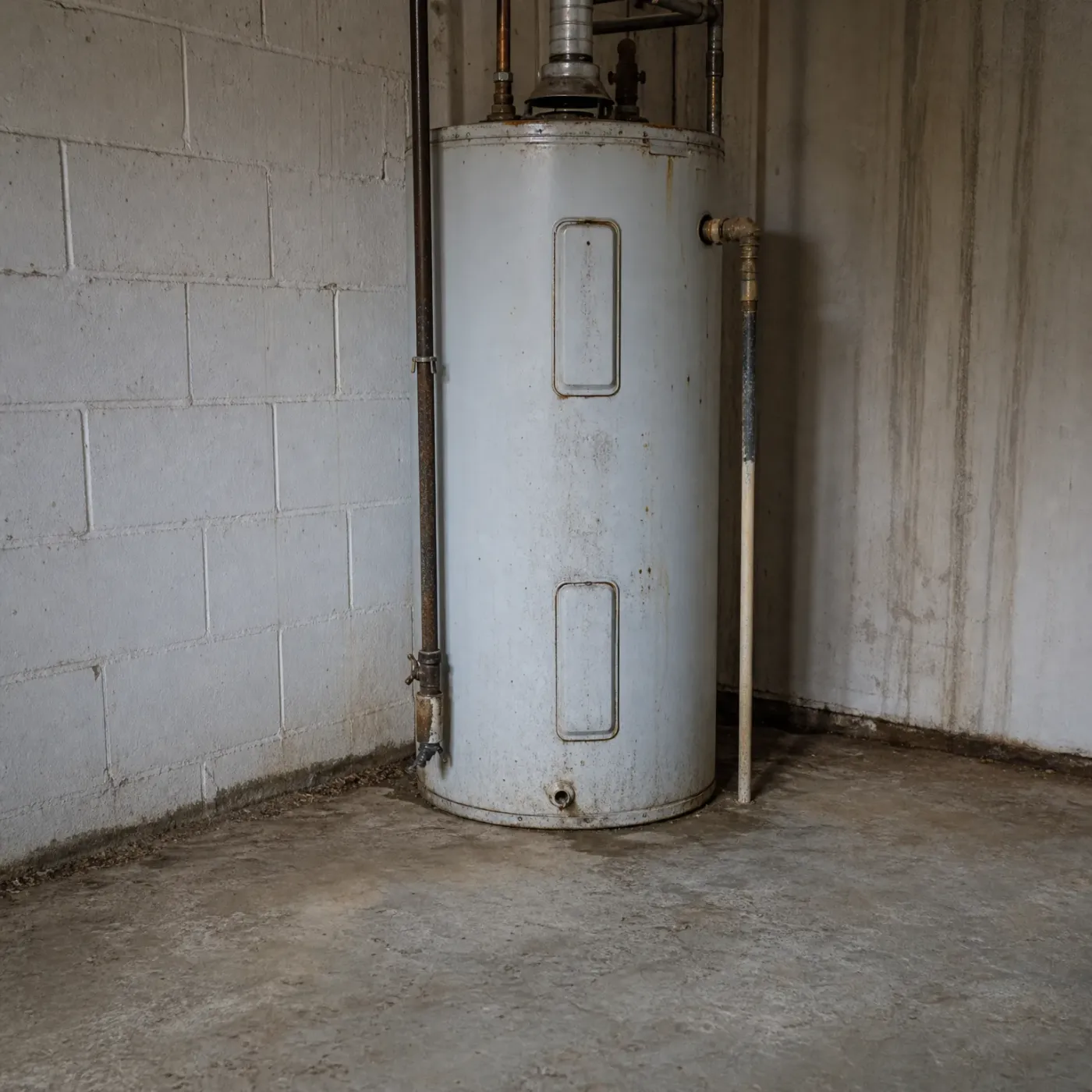
Pilot won't stay lit
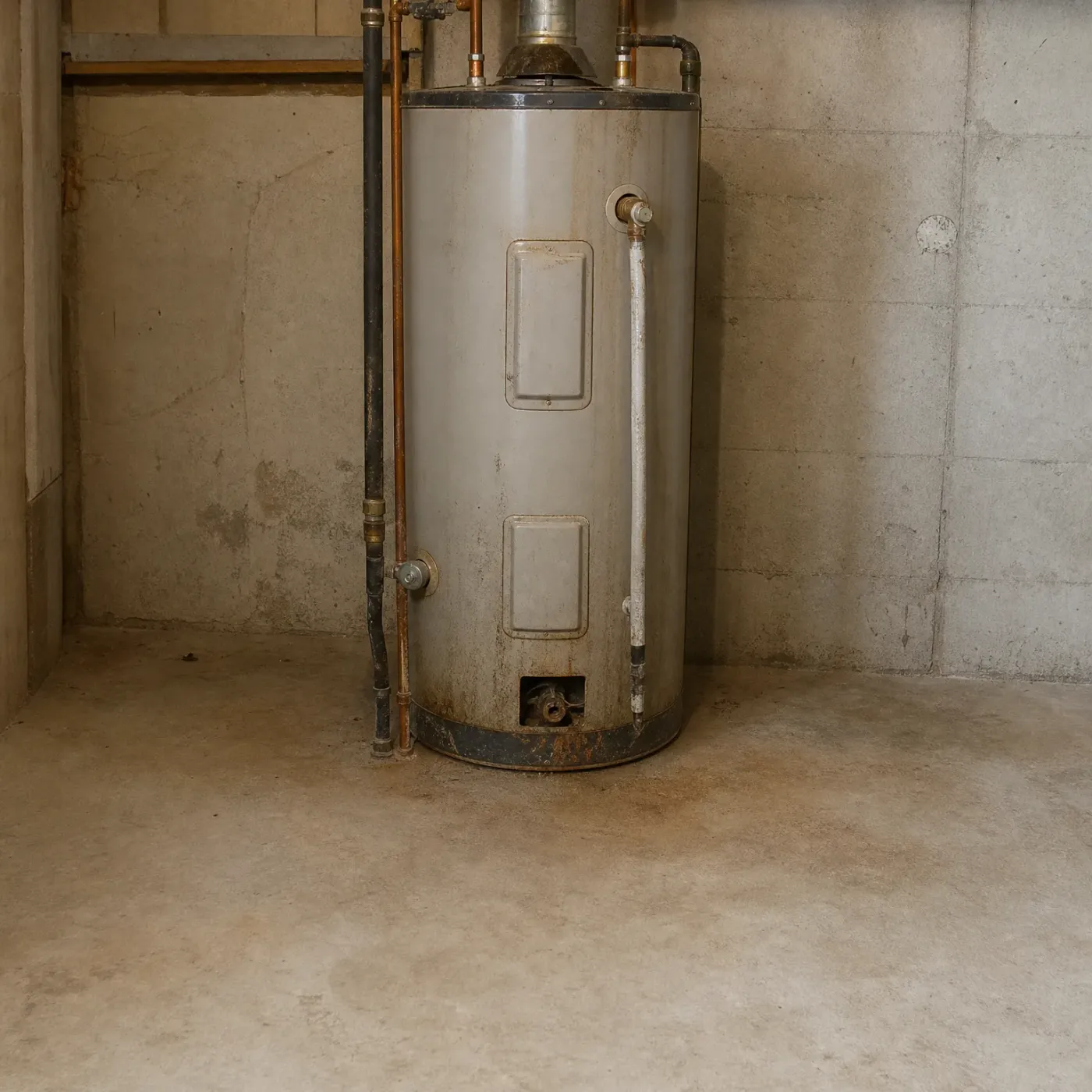
An older tank like this is more likely to give you trouble, especially if rust has started showing on the casing or around the fittings. A failing thermocouple, a dirty pilot tube, or a draft reaching the burner chamber can all snuff the flame out. The longer it sits unlit, the longer you're hauling water to heat on the stove.
What does a dead pilot light mean for a house like mine?
2.34 people per household on average
With 2.34 people in the average Scott County household, most homes here are running a standard 40 or 50 gallon tank, and one bad thermocouple leaves the whole house without hot water.
Half the homes here were built by 1972
Half the homes in Scott County were built in 1972 or earlier, old enough that the water heater has likely been swapped at least once, and the gas line and venting may be older than the tank itself.
74% of homes heat with gas
At 74% of homes, gas is how Scott County heats its water, which is why pilot lights and thermocouples cause more cold showers here than any other single part.
ACS 2020-2024
No hot water, same morning as everyone else
If the pilot's out, every tap in the house runs cold at once. Dishes, showers, laundry, all of it. That's a hard way to start a morning in Davenport once the weather's turned, and it doesn't fix itself by waiting. Relighting it yourself buys you a day, maybe two, if the thermocouple's worn down. Then you're back where you started, standing at the tank with a lighter again.
What you don't need is to spend your evening calling around Scott County asking who works on gas water heaters, repeating the same description of the problem to every shop that picks up, then sitting on a stack of quotes trying to tell them apart. Answer a few questions about what your tank's doing and a contractor who handles this kind of call reaches out to you directly. One conversation instead of five, and your evening goes back to whatever you'd rather be doing.
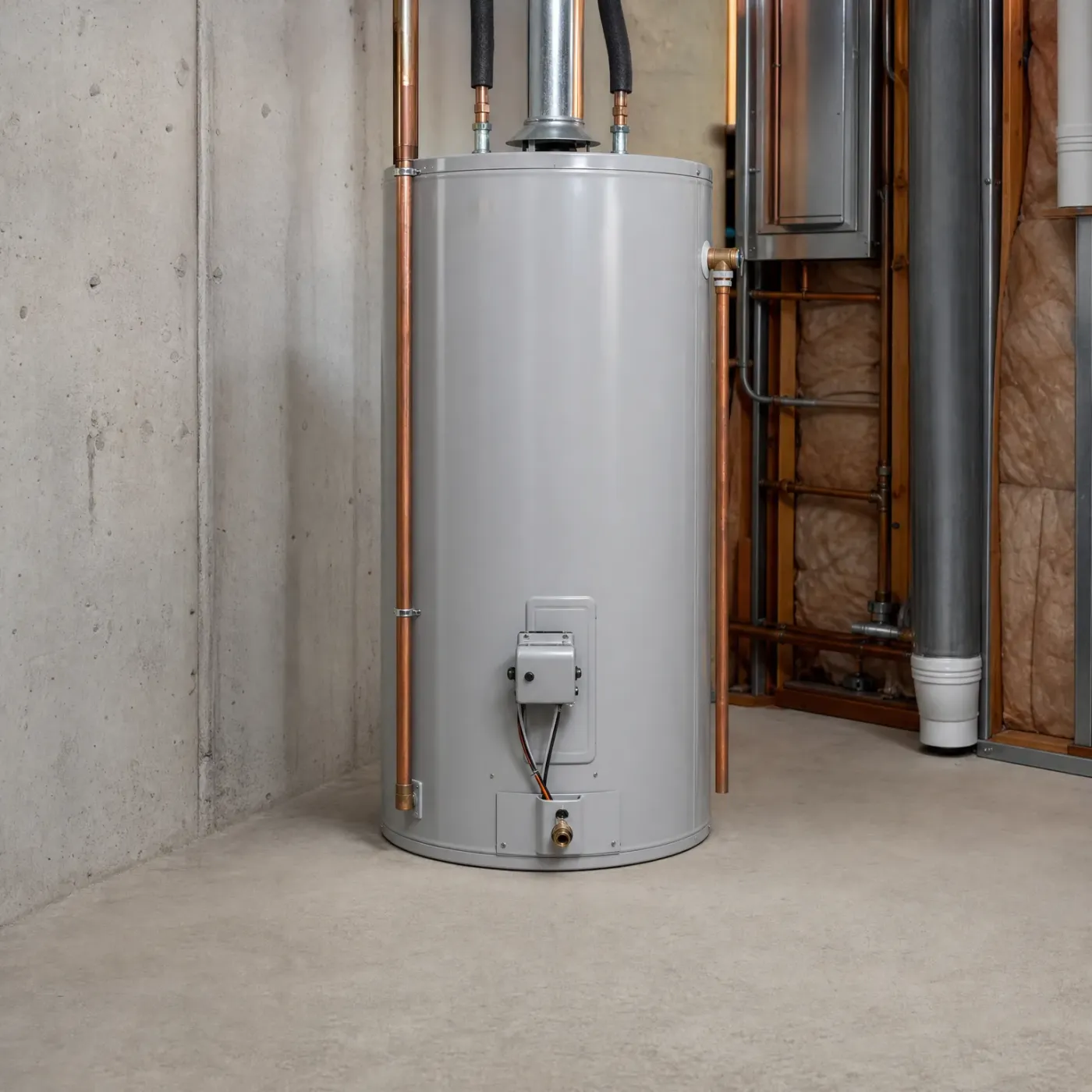
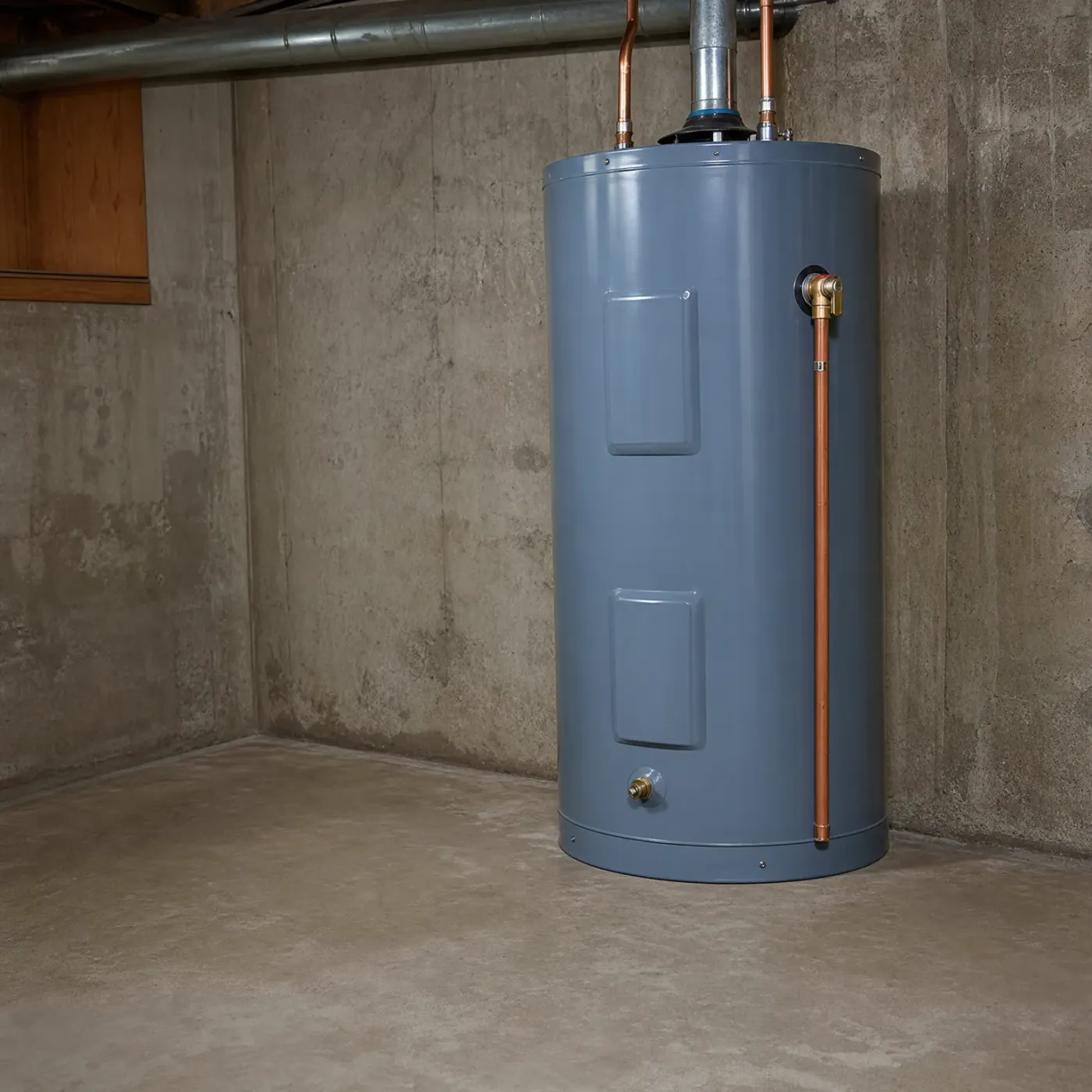
Pilot holding, tank doing its job
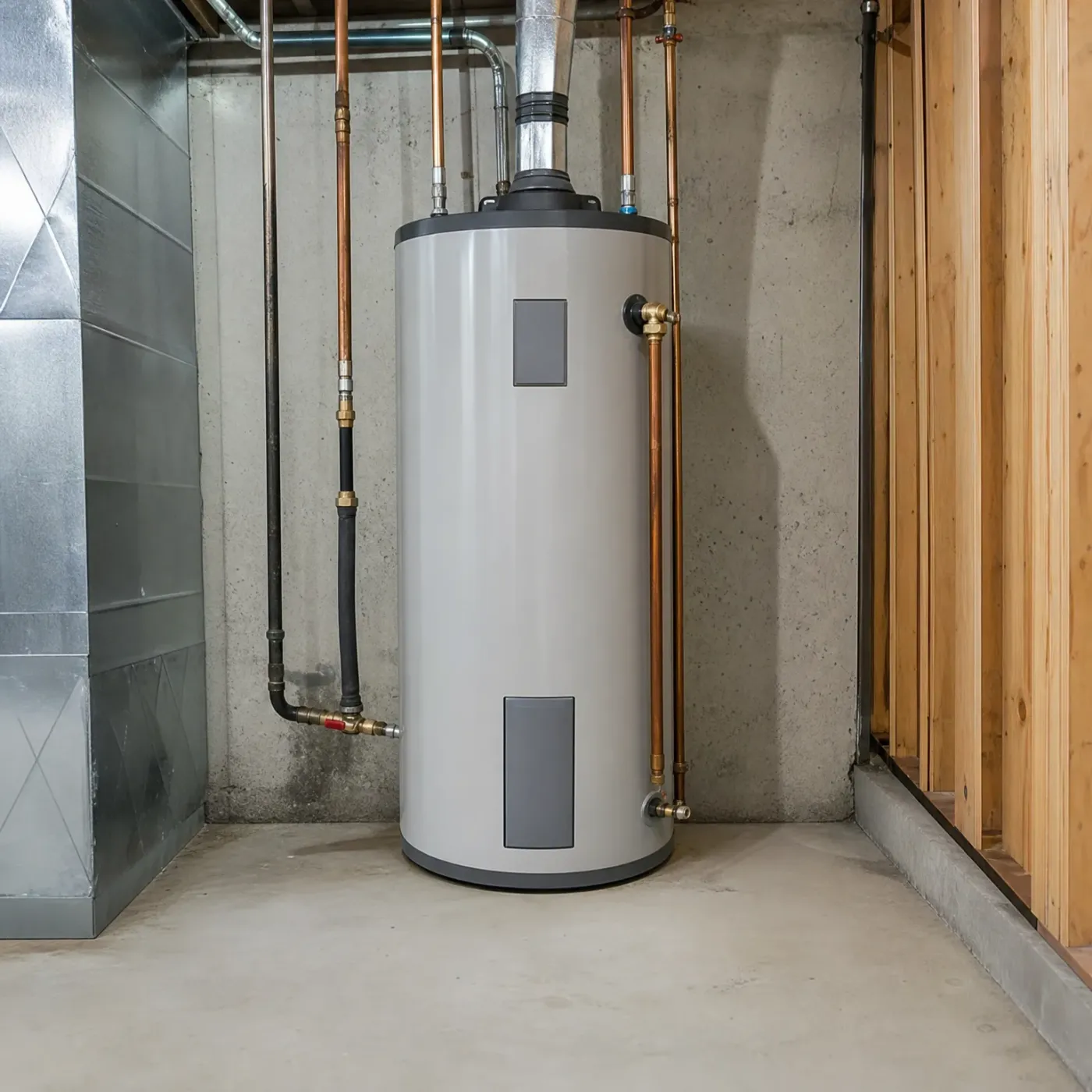
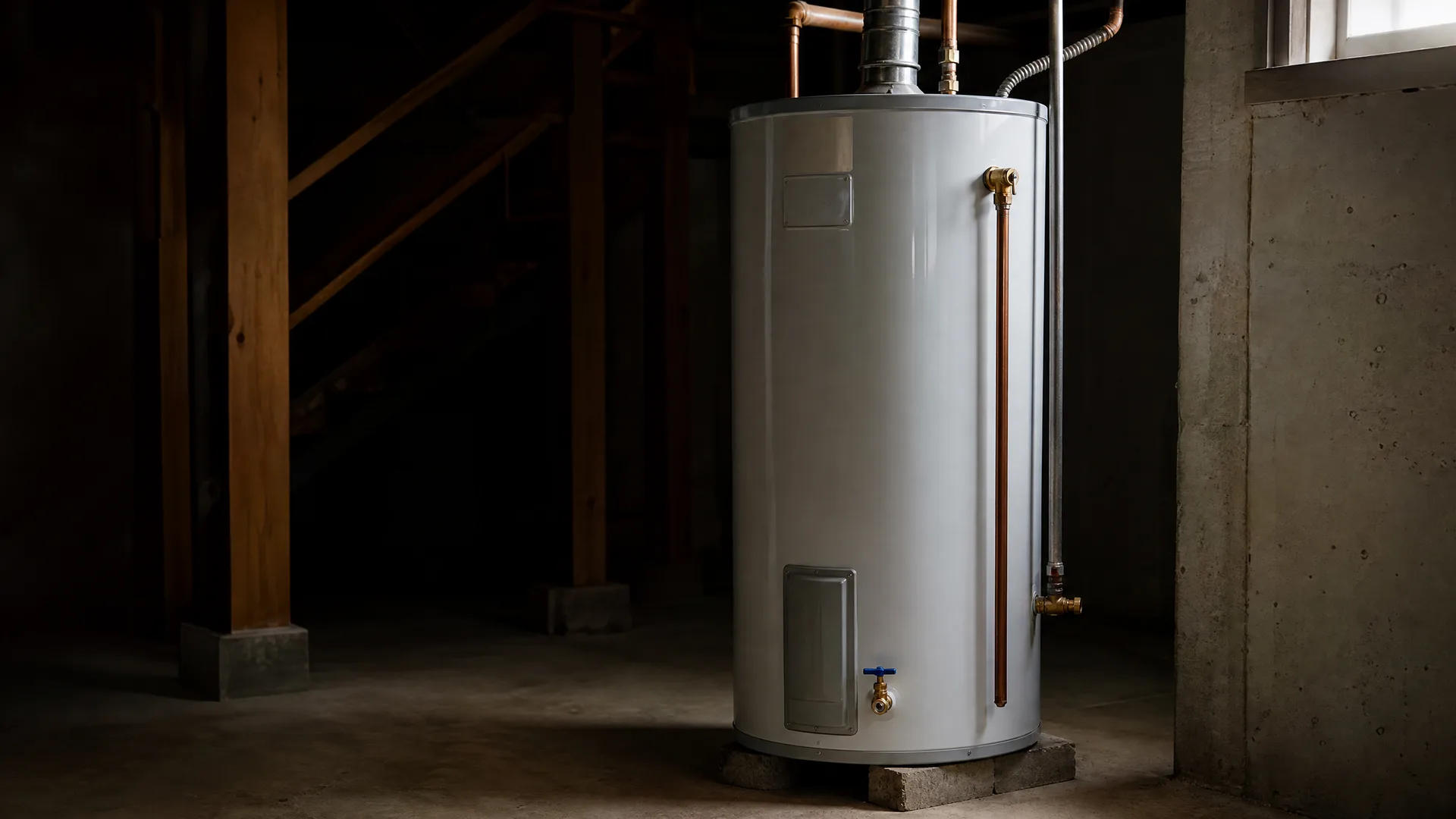
Supply and return lines run clean into the tank, the flue vent draws straight up, and the gas valve sits steady. A water heater like this just sits there working, no relighting, no cold mornings, nothing on your list to deal with.
Rust at the base is a different problem
Corrosion climbing the tank and pooling at the bottom usually means the tank itself is failing, not just the pilot. A thermocouple can be swapped. A rusted-through tank can't, and it's worth having someone check which one you're looking at.
Before you get your water heater repairAfter you get your water heater repair
A thermocouple doesn't fix itself, and relighting the pilot every other day isn't a repair, it's a workaround that stops working the first cold morning it matters. Finding someone to look at it means calling a few plumbers, explaining the same thing each time, waiting to hear back, then sorting through whatever quotes come in before you even get a date on the calendar. That's time you don't have when the tank's cold and the house in Scott County is waiting on hot water. Handing this off now means you stop being the one tracking down who's available and who isn't. You've already got the more likely cause narrowed down from what's above, which means whoever shows up can get to the actual fix instead of starting from scratch. The pilot going out again tonight doesn't change on its own. Getting it in front of someone who repairs these for a living is the part that does.
What the thermocouple actually does
The thermocouple is a thin metal rod that sits in the pilot flame. Heat from the flame generates a small electric current, and that current holds the gas valve open. No flame, no current, and the valve shuts off the gas within seconds. It's a safety part, not a convenience part, so when it fails or reads a weak flame, the tank is built to lock the gas out rather than risk it.
Why a draft makes it worse
A pilot flame that's thin or leaning to one side isn't heating the thermocouple the way a strong blue flame does. Drafts from a nearby vent, a cracked door to the garage, or wind pushing down the flue can bend that flame just enough. In Scott County, a furnace and a water heater sometimes share combustion air from the same space, so a change in one can show up as a pilot that won't hold in the other.
Relight It Or Call Someone
Relight it yourself
Most gas water heaters have the lighting steps printed right on a panel near the control valve.
If the pilot catches and holds, you've got hot water again without waiting on anyone.
A thermocouple that's just old rather than failed can sometimes hold a flame fine once relit.
If it goes out again within a day, relighting it again won't change that outcome.
You're guessing at the cause with no way to test the thermocouple's actual output.
Each relight means standing there with a lighter or igniter button for a full minute before you know if it worked.
Get it looked at
A contractor can test the thermocouple's millivolt output and tell you if that's really the part at fault.
A draft from a nearby vent or a dirty pilot orifice can mimic a bad thermocouple, and only testing tells them apart.
If the gas valve itself is the problem, no amount of relighting the pilot will fix it.
Once it's diagnosed, you're not relighting a pilot every other morning hoping it sticks.
A technician can check the flue draft at the same time, which isn't something you can measure from the control panel.
You skip calling around to different plumbers and explaining the same dead pilot story to each one.
The pilot burns steady behind the glass, the vent pipe draws straight up through the top, and hot water comes out of the tap whenever you turn it on.
Rust has worked through the steel and spread down from the fittings, and a tank corroded like this won't hold a pilot light for long.
You reach in to turn the shower on before you brush your teeth, the way you always do, so it has time to warm up. You go about your routine, then step toward the water and there's no steam on the glass. The spray is cold. You check the handle, turn it further toward hot, and nothing changes. The towel's still hanging on the rail where you left it, dry, waiting. Downstairs the pilot light is out again, same as last week, and now it's a cold Scott County morning and you're standing in an upstairs bathroom with a shower you can't use and a schedule that doesn't have room for this.
Power here costs 12.22 cents per kilowatt-hour
At 12.22 cents a kilowatt-hour, your electric bill isn't what's driving this. A dead pilot is a gas problem, not a power one, so the fix is getting that thermocouple or gas valve looked at, not cutting back on electricity.
EIA-861 2025
A pilot light that won't hold is a thermocouple problem most of the time, sometimes a gas valve, and either way it's not something you fix by relighting it again tomorrow. That much is settled. What's left is getting someone qualified to look at the tank and tell you which part it is. You could call around Scott County yourself, explain the pilot keeps going out, explain it again to the next plumber, wait on quotes and try to sort out who actually works on water heaters versus who just lists it on their site. Or you could skip that part. Cold water in January doesn't wait for you to finish comparing estimates, and neither does a tank that's starting to rust through. The pilot's either going to hold or it isn't, and you'll know which once someone's had a hand on the valve.