Water heater pilot light keeps going out in Iowa

Send the request and finding a pro stops being your problem.

I'm done searching

Why does my water heater pilot light keep going out?

A pilot that won't stay lit usually means you've relit it more than once this month, and you're tired of it going dark right when you need hot water. Before you call anyone, it helps to know whether this is something small or a sign the water heater needs real attention.

A weak or dirty thermocouple is the most common cause

The thermocouple is the small sensor that sits in the pilot flame. Its job is to tell the gas valve the pilot is lit so the valve stays open. Once it gets coated with soot or bends slightly out of the flame, it cools fast and shuts the gas off, even though the pilot was burning fine a second before. A draft from a nearby vent or a loose gas line fitting can cause the same thing, so the part isn't always the problem. Either way, this isn't something to keep relighting over and over. A gas water heater that won't hold a pilot needs a licensed plumber to find out which of these it is and fix it properly.

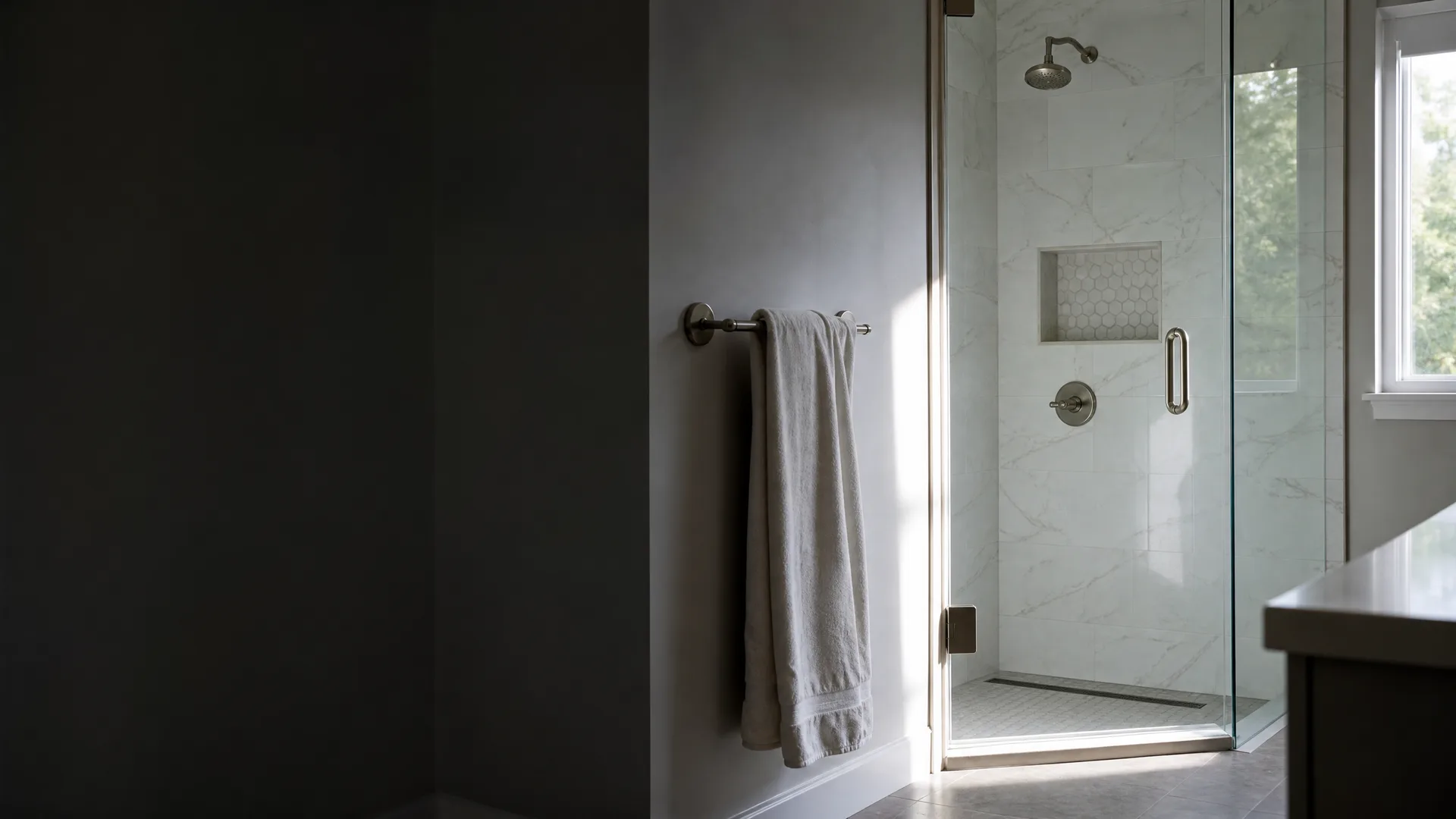
A bathroom with a glass-door shower lined in marble-look tile with a recessed niche and showerhead, a white towel hanging on a wall-mounted bar, and a window with green foliage outside.

You turn the shower handle and wait. No steam climbs over the curtain rod. You give it another minute, standing there in the cold bathroom with your towel already on the rail, and the water coming through is still barely warm. This is the third time this month you've had to go down to the basement before work, pop the access panel, and hold the igniter button until the pilot catches. Some mornings it holds. Today it doesn't. You turn the shower off, go back down in your socks, and crouch by the tank again, already running late, already knowing you'll be relighting this thing again before the week is out.


What's Behind the Pilot Going Out

Thermocouple or Flame Sensor

  • A worn thermocouple stops sending the signal that tells the gas valve the pilot is lit, so the valve shuts the gas off.
  • This part sits right in the pilot flame and wears out from years of heat, so it's one of the most common reasons a pilot won't hold.
  • A contractor can test it in minutes with a multimeter and swap it out without draining the tank.
  • If the pilot lights fine but won't stay on past 30 seconds when you release the knob, this is usually the cause.
  • Replacing it is a straightforward repair on most gas water heaters sold in Iowa.

Gas Valve or Venting Problem

  • If the thermocouple tests fine, the gas valve itself may be failing to hold the pilot signal and needs replacing.
  • A draft from a vent pipe that isn't sealed right can blow the pilot out, especially in a drafty basement or utility closet.
  • Blocked venting lets combustion gases linger near the pilot and can snuff the flame instead of letting it burn clean.
  • This is also where it pays to check for a gas supply issue, since low pressure can cause the same symptom as a bad part.
  • These problems take more than a part swap, since a contractor needs to check the venting path and gas line together.
  • Left alone, a venting issue is a safety question, not just an inconvenience.
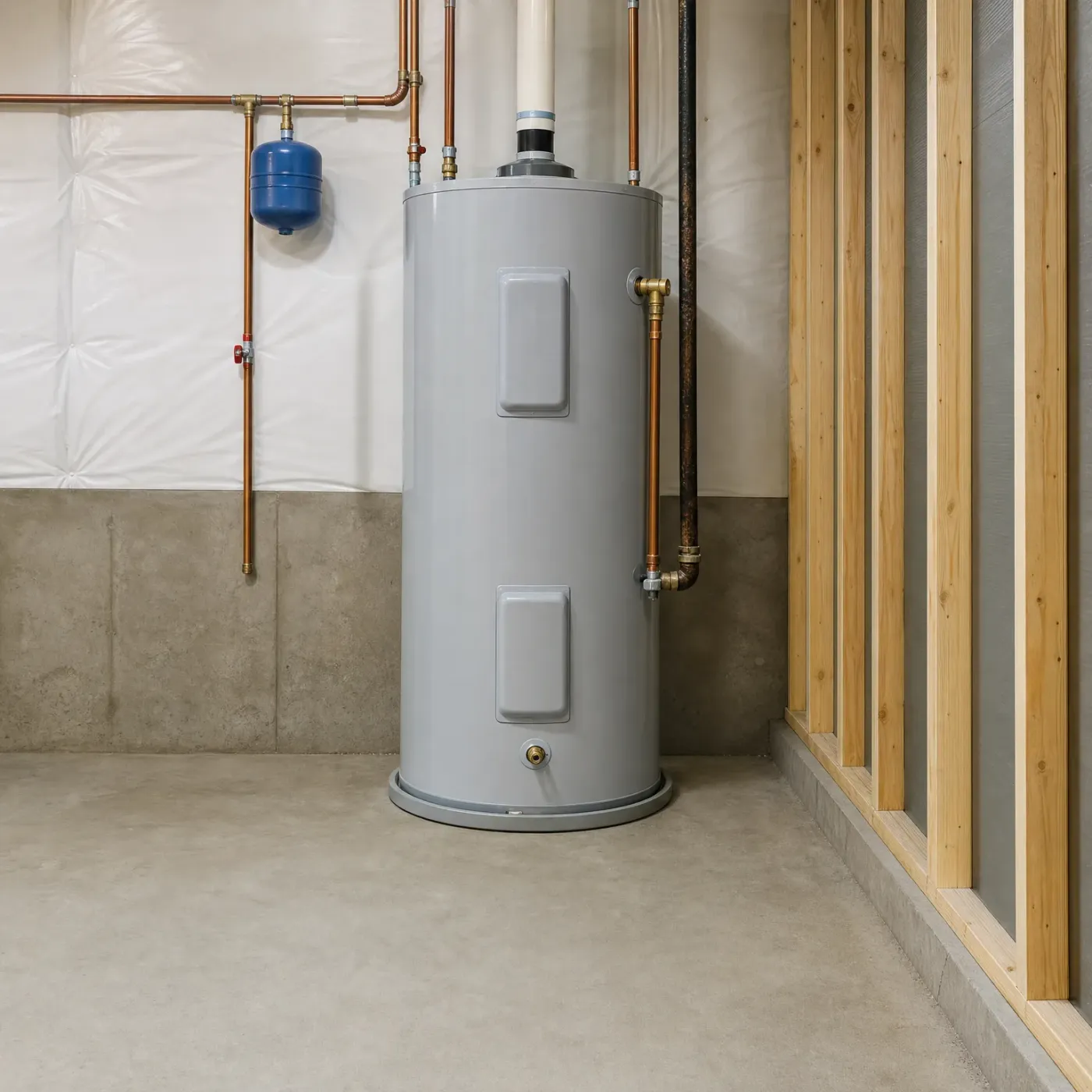
A gray cylindrical water heater stands on a concrete basement floor against a plastic-sheeted insulated wall, with copper supply pipes, a blue expansion tank, a black vertical pipe, and exposed wood wall framing at right.

Pilot lit, flame steady

A pilot that stays lit burns a small, steady blue flame you can see through the viewing window whenever you check it. The burner lights on demand and the tank keeps up with a full shower or a load of dishes without you touching anything.

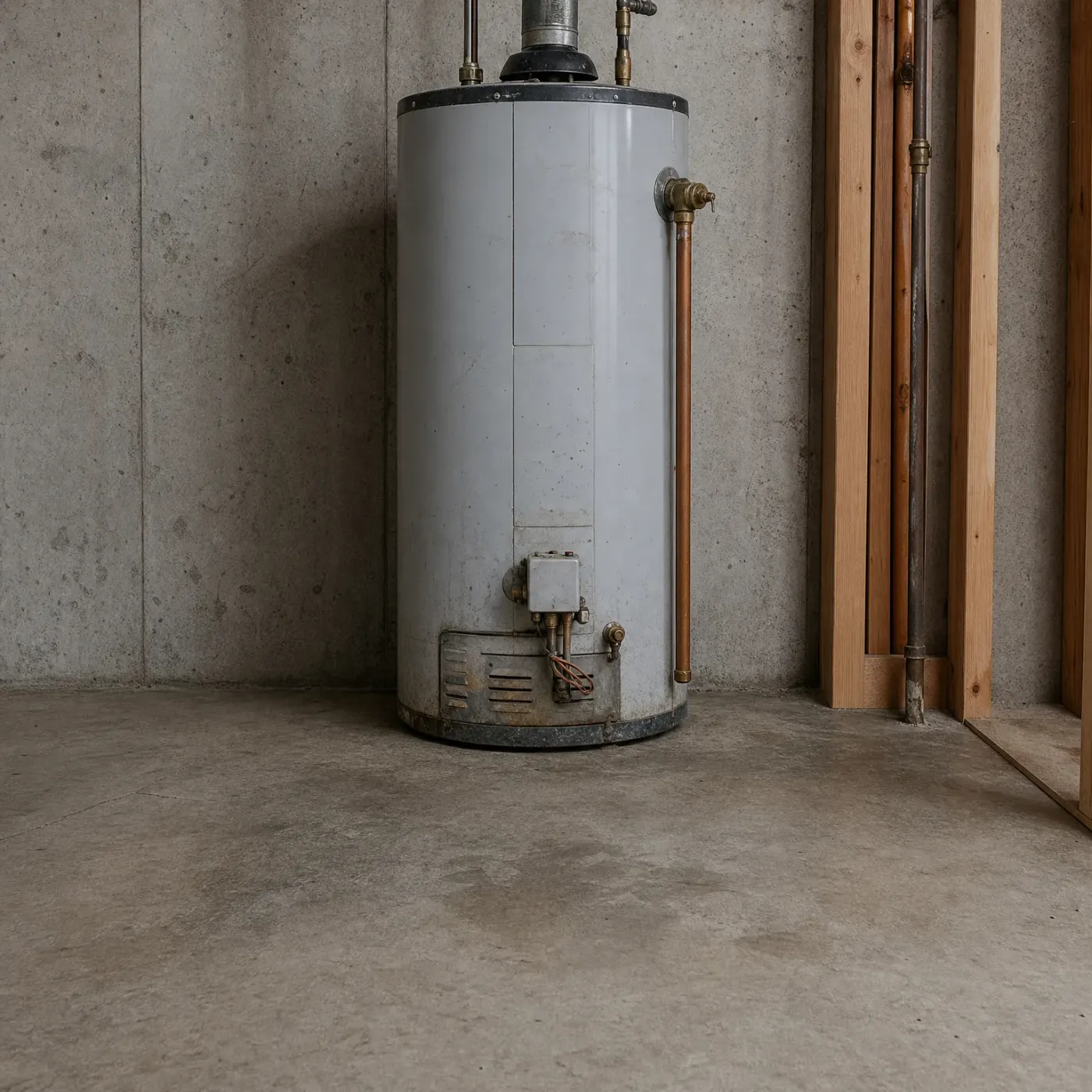
An older gray gas water heater with copper and brass piping stands on a concrete floor against a concrete wall, beside exposed wooden wall framing and vertical pipes.

Pilot out, burner cold

Rust and grime around the burner assembly like this often go along with a pilot that won't hold. Years of heat and moisture wear down the thermocouple or the gas valve itself, and once the gas supply shuts off from a safety trip, the tank just sits there cold until someone relights it.

A gray-haired man in a dark sweater sits on a light gray sofa in a living room, looking toward a sunlit window with trees outside.
A gray-haired man in a dark blue sweater sits on a light gray sofa in a sunlit living room, looking off to the side, with a potted plant, shelving unit, and large glass doors behind him.
A bearded man with graying hair in a dark green sweater sits on a sofa in a living room, looking off to the side, with a sliding glass door and a dim kitchen doorway behind him.
A gray-haired man in a dark knit sweater sits on a light gray sofa in a living room, looking toward a sunlit window, with houseplants, a lamp, and framed art in the background.

Three relights, one visit

If you've relit the pilot more than twice this month, that's a part wearing out, not bad luck. A licensed Iowa tech can find which one.

Hand it over

One gas valve, one job

The thermocouple or flame sensor feeds the gas valve a signal. When that signal fails, the valve shuts the gas off on its own, no flame involved.

Hand it over
A middle-aged woman with shoulder-length dark hair, wearing a gray cardigan over a cream top, sits in an upholstered armchair and looks toward a sunlit window, with a shelf holding framed pictures and a plant behind her.
A woman with her hair in a bun holds a sleeping young child against her chest, both wrapped in a textured beige knit blanket on a sofa in a dimly lit room with a lamp, framed picture, and bookshelf behind them.

Done looking for a water heater pro

The pro who reaches out is licensed in Iowa.

It costs nothing to send, and you don't have to hire anyone.

How the Pilot System Works

  • The pilot burns constantly from a small tube fed off the main gas line, separate from the burner itself.
  • A thermocouple or flame sensor sits in that pilot flame and sends a tiny electrical signal to the gas valve the whole time it's lit.
  • When that signal drops out, the gas valve closes the pilot supply within seconds, by design, so gas can't keep flowing unlit.
  • Wind or a draft reaching the pilot through a vent or door can blow the flame out without wearing any part at all.
  • A dirty or partly closed air intake can starve the pilot of oxygen until the flame gets too weak to hold the sensor's signal.
  • The pilot assembly, the thermocouple and the gas valve are three separate parts, and only one of them usually needs replacing.

The pilot is a small, steady flame that runs all the time, fed by its own thin tube off the gas line, separate from the main burner underneath the tank. Sitting right in that flame is a thermocouple, or on newer units a flame sensor. Its only job is to tell the gas valve that the pilot is actually lit. As long as the flame touches it, it sends a small electrical signal, and the valve keeps the pilot supply open. The moment that signal drops, even for a few seconds, the valve shuts the gas off. That's not a malfunction. It's the safety built into every unit, there so gas never flows without a flame to burn it.

That design means a pilot going out isn't always a worn part. A draft under a door or through a nearby vent can snuff the flame directly, and once it's out, the signal drops and the valve closes right behind it. A dirty or partly blocked air intake can do the same thing from the inside, starving the flame until it burns too weak and thin to keep the sensor's signal steady. Either way, the valve reacts the same.

What narrows it down is that the pilot assembly, the thermocouple, and the gas valve are three separate parts. Most of the time, only one of them is actually failing. A tech who knows the valve's behavior can usually tell within a few minutes whether you're dealing with a part worn out or a draft that needs blocking.

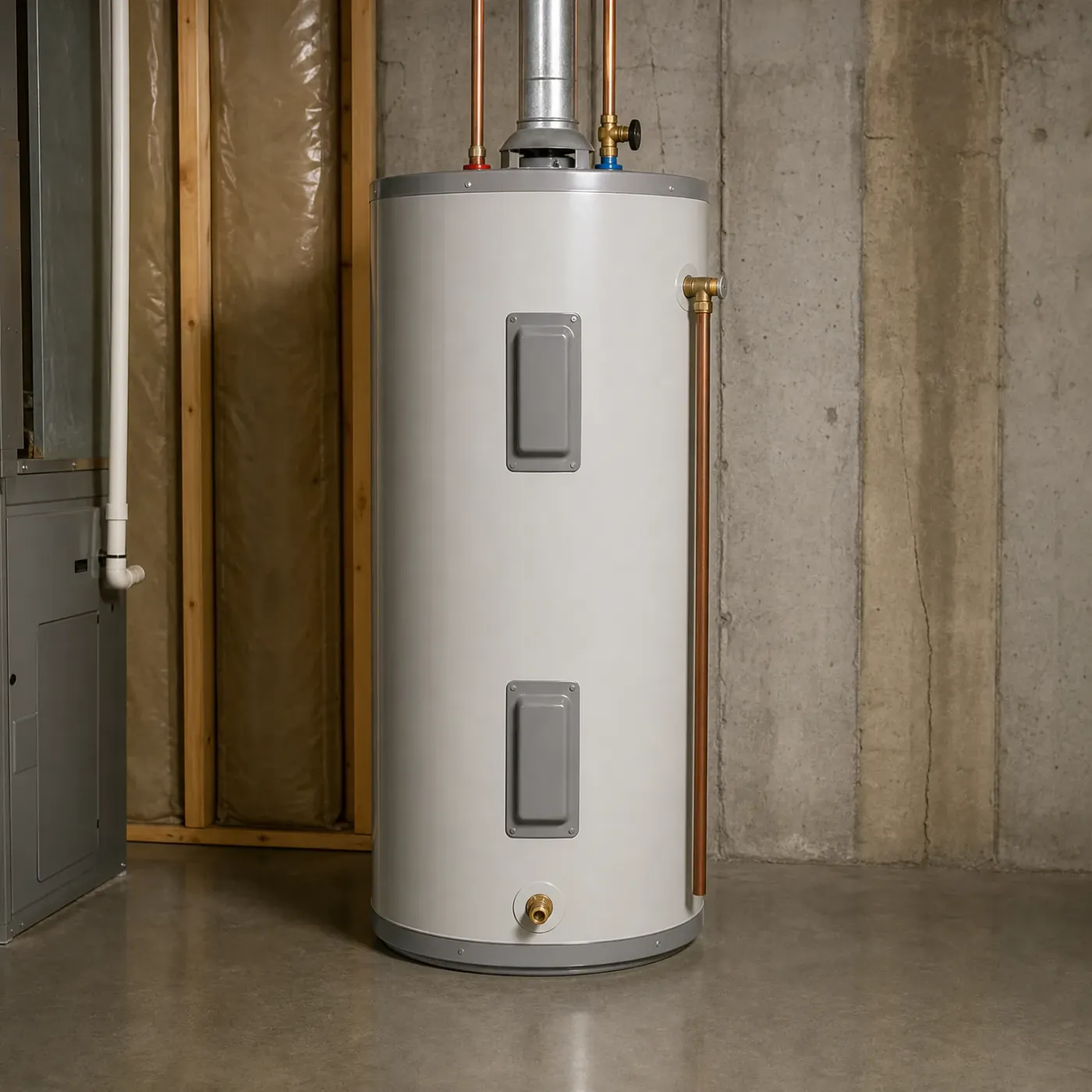
A white cylindrical water heater with two access panels, copper supply pipes and a metal flue, standing on a concrete floor against a concrete wall beside insulated wood framing and a gray electrical panel.
A pilot that stays lit shows a clean blue flame and copper fittings free of rust, like a tank that's been checked each year.
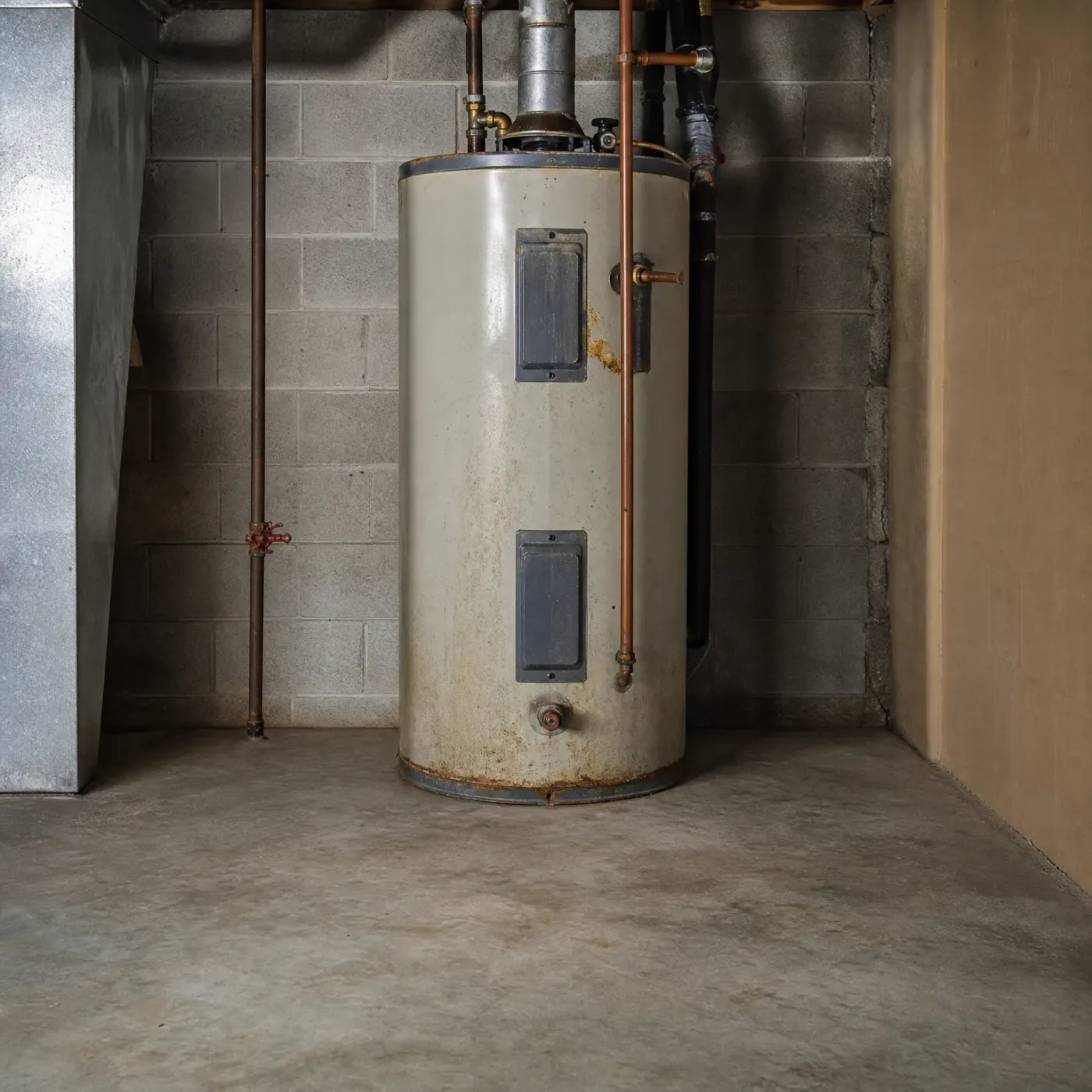
An aging cream-colored water heater with rust streaks and two access panels stands on a concrete floor against a concrete block basement wall, with copper and black pipes running up to the ceiling and a metal duct at left.
Rust climbing the tank and fittings like this often travels with a pilot that won't hold, and that combination is worth a licensed tech's look.

60.2% of homes statewide heat with gas

Most houses in Iowa run their water heater off the same gas line as the furnace. If the pilot keeps dying, it's worth having a tech check the gas supply and venting while they're looking at the thermocouple, since the two systems often share a line.

ACS 2020-2024 5-year B25040

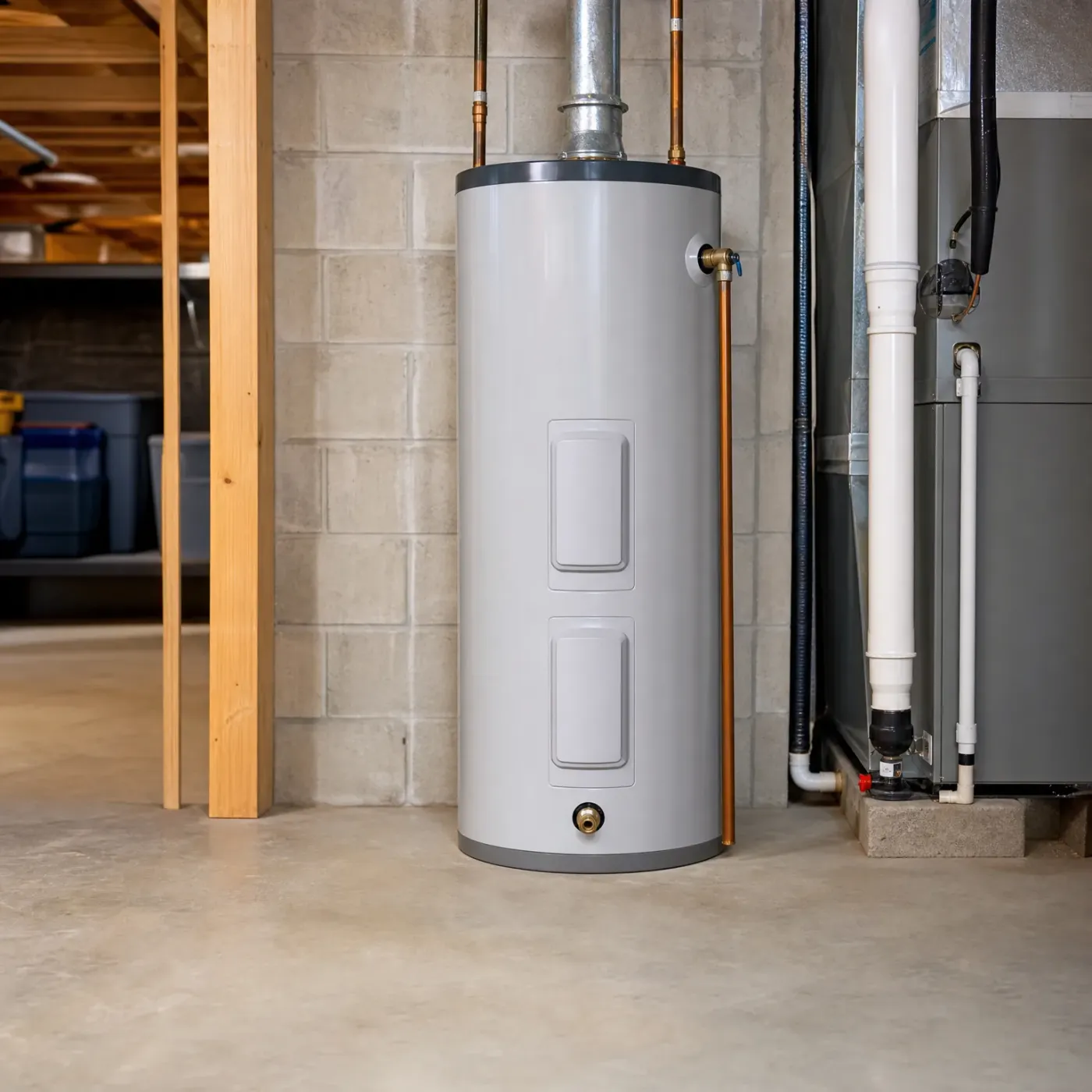
A gray cylindrical water heater with copper pipes stands against a concrete block wall in a basement, next to white PVC piping and a gray furnace, with wood framing and storage bins at left.

Running the way it should

This is what a water heater looks like when nothing's wrong. The tank is clean, the fittings are dry, and the pilot holds without you touching it. You get hot water on demand and never think about the flue or the gas line at all.

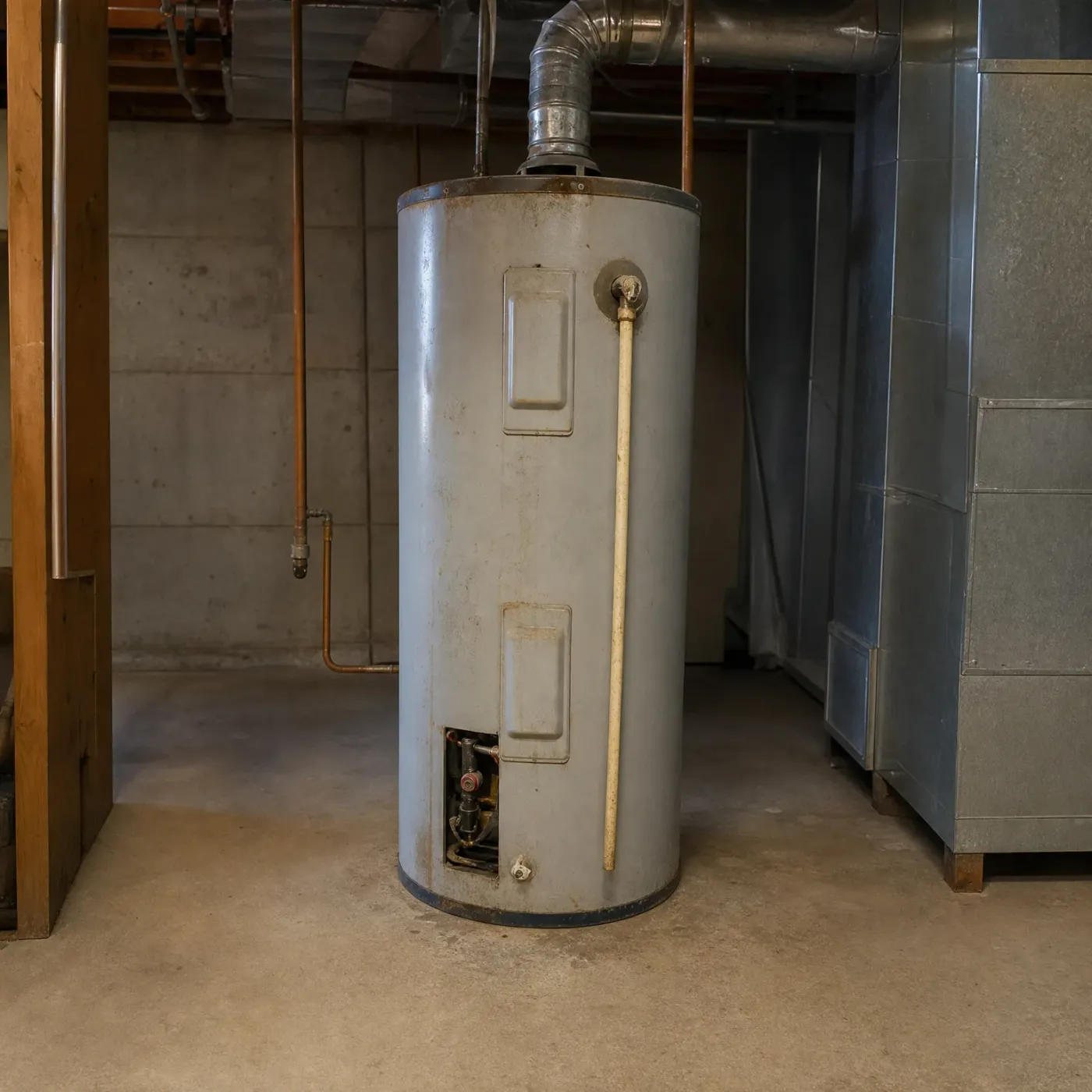
An older gray gas water heater with a metal flue pipe stands on a concrete basement floor beside ductwork and exposed copper piping.

Rust and a pilot that won't hold

This tank shows surface rust climbing the side, and that often shows up on units where the pilot has been giving trouble too. The relief valve discharge pipe and old flue connection are worth a look alongside the thermocouple. A licensed Iowa tech can tell you if the tank itself is the real problem.

A pilot that keeps going out almost always traces back to one worn part, usually the thermocouple or flame sensor, and a licensed tech can confirm which one without guessing. You don't need to keep relighting it and hoping this time it holds. A tech who works on water heaters all over Iowa every week has seen this exact problem more times than you have, and knows what to check first, whether that's the thermocouple, the gas valve, or the venting it shares with your furnace. You'll be matched with one licensed, local contractor, not a handful of companies competing for your call, so the person who shows up is the one who takes care of it. Once you send the request, you're done chasing this down yourself. The pilot should hold steady, the water should run hot when you turn the handle, and that's the whole point of getting it looked at.

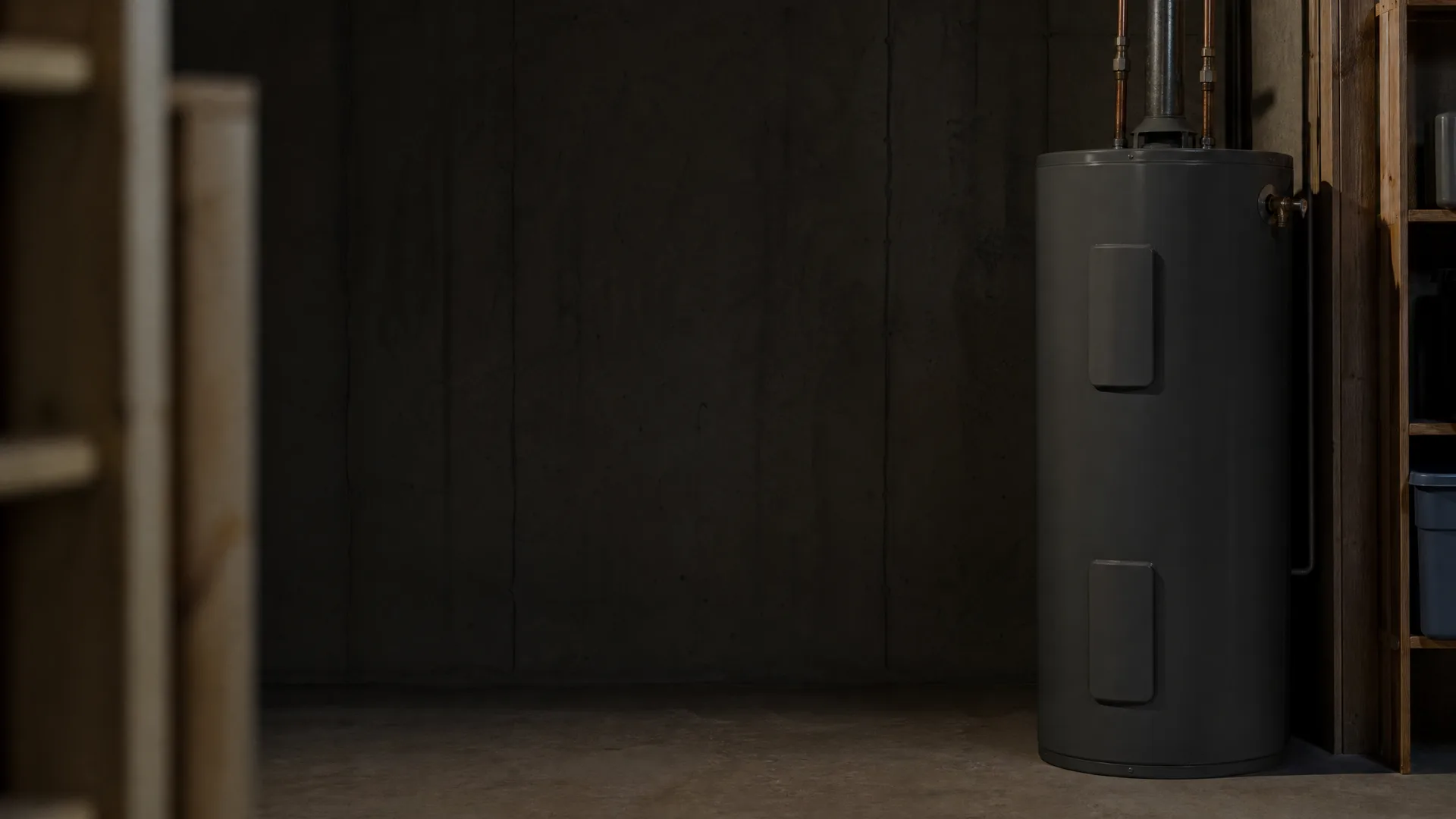
A dark gray cylindrical water heater with copper pipes at its top stands against a concrete basement wall, with wooden shelving and framing in the foreground at both edges.

It's off your list after this

Only one pro gets your request, so you hear from one company.

Step 1 of 3: Equipment