Water heater making popping noises in Dubuque, IA

Explain the water heater problem once instead of to every shop in Dubuque County.

Skip the search

Why is my water heater making a popping noise?

Your water heater has started making a popping or rumbling sound, especially when it's heating a new tank of water. It's not a quiet tick, it's a series of pops that can almost sound like something boiling. You want to know if this is normal or a sign something is about to fail, especially with Dubuque's hard winters putting extra demand on the tank.

Sediment has built up on the bottom of the tank

The popping comes from sediment, mostly minerals that settle out of your water, sitting on the bottom of the tank. When the burner or heating element fires, water gets trapped under that layer and turns to steam, and the pops you hear are the bubbles forcing their way up through the sediment. The more buildup there is, the louder and more frequent the popping gets. It won't damage the tank overnight, but it makes the water heater work harder to heat the same amount of water, and over time that extra strain wears on the tank and the heating element or burner. In a county with hard winters driving up hot water use, that strain adds up faster than it would somewhere milder.

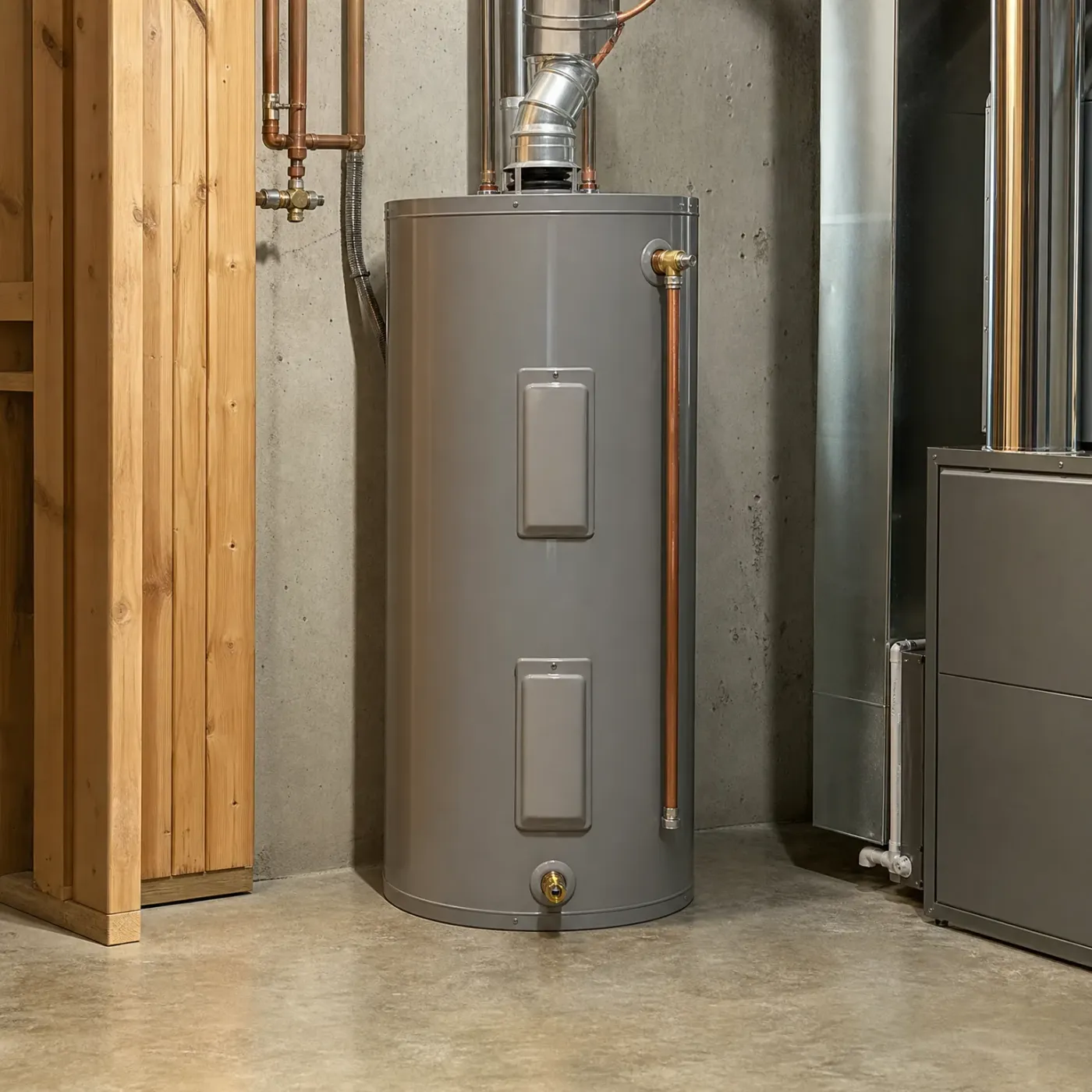
A gray cylindrical water heater with two access panels and copper piping stands against a concrete wall in a basement, beside wood framing and metal ductwork.

Sediment, not a failing tank

A layer of sediment at the bottom of the tank is what's popping as the burner or element heats the water trapped under it. The tank in this picture is doing its job. The noise is a sign to have it flushed, not a sign it's dying.

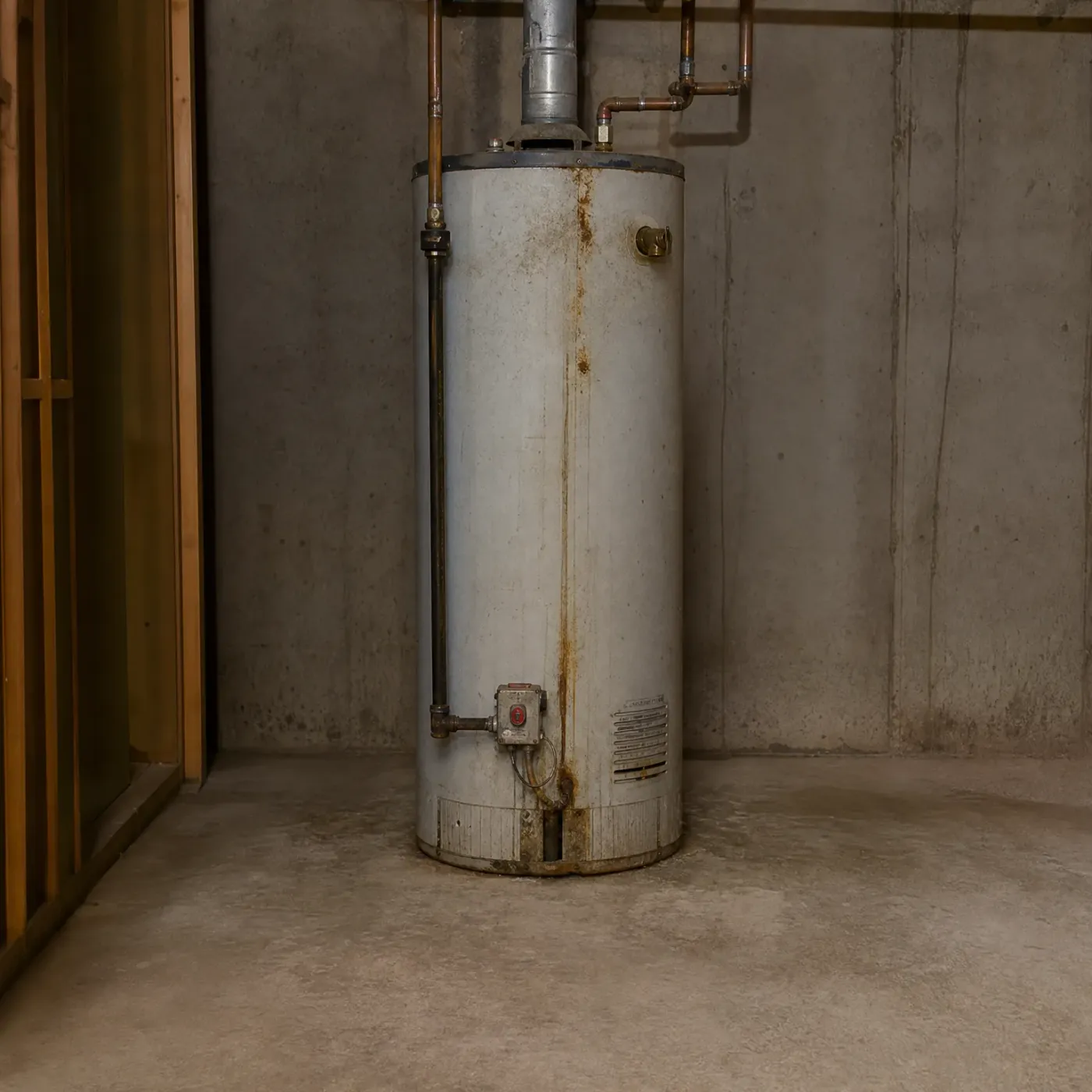
An aging rust-streaked gas water heater with copper and galvanized pipes stands against a bare concrete basement wall beside wooden stud framing.

Left alone, the layer builds

Years of sediment left to sit can scorch the tank bottom and eat through the steel, the kind of rust and wear shown here. A gas water heater working through buildup like this runs harder and wears toward a leak at the base.

Flushing the Tank Yourself or Calling a Plumber

Flush it yourself

  • You'll need to shut off the power or gas to the tank and let the water cool before opening any valve.
  • A hose runs from the drain valve to a floor drain or outside, and the water that comes out will be hot and likely rusty.
  • Drain valves on tanks that have never been flushed often clog with sediment or won't seal again once closed.
  • If the valve breaks or won't shut off clean, you're looking at a tank with no way to drain it short of replacing the valve.
  • Hard sediment that's baked onto the bottom of the tank for years doesn't always loosen with a simple flush.

Have a plumber flush it

  • A plumber working on tanks all winter in Dubuque has seen which valves hold up and which ones need replacing first.
  • They can tell from the sound and the tank's condition whether a flush will clear it or whether something else is going on.
  • If the drain valve is seized or damaged, they carry the parts to replace it on the spot instead of leaving you with a tank you can't drain.
  • One call gets the job scheduled instead of you tracking down who's available and explaining the popping noise more than once.
  • A local plumber knows the mineral content in the water here and how fast sediment tends to build back up in this area.
A gray-haired bearded man in a dark knit sweater sits on a light gray sofa in a sunlit living room, looking to his left, with a framed artwork, a potted palm, and a curtained glass door behind him.
A middle-aged man in a dark green sweater sits on a light grey sofa looking toward a sunlit window, with a wooden shelving unit, lamp and potted plants in the background.
A man in a dark green sweater sits on a light grey sofa in a sunlit living room, looking to his left, with a shelving unit, houseplants, framed art and a large window behind him.
A gray-haired bearded man in a dark green sweater sits on a light gray sofa in a sunlit living room with a potted plant, framed picture, and dark shelving in the background.

Why does sediment build up enough to pop in my tank?

  • 2.31 people per household on average

    With 2.31 people in the average Dubuque County household, most tanks here cycle through hot water daily, and every refill brings in more minerals to settle.

  • Half the homes here were built by 1970

    Half the homes in Dubuque County were built in 1970 or earlier, and a water heater that age or close to it has had decades to collect sediment on the bottom.

  • 71.2% of homes heat with gas

    Gas heats 71.2% of homes in Dubuque County, and a gas burner sits right under the tank, where trapped sediment pops loudest as it heats.

ACS 2020-2024

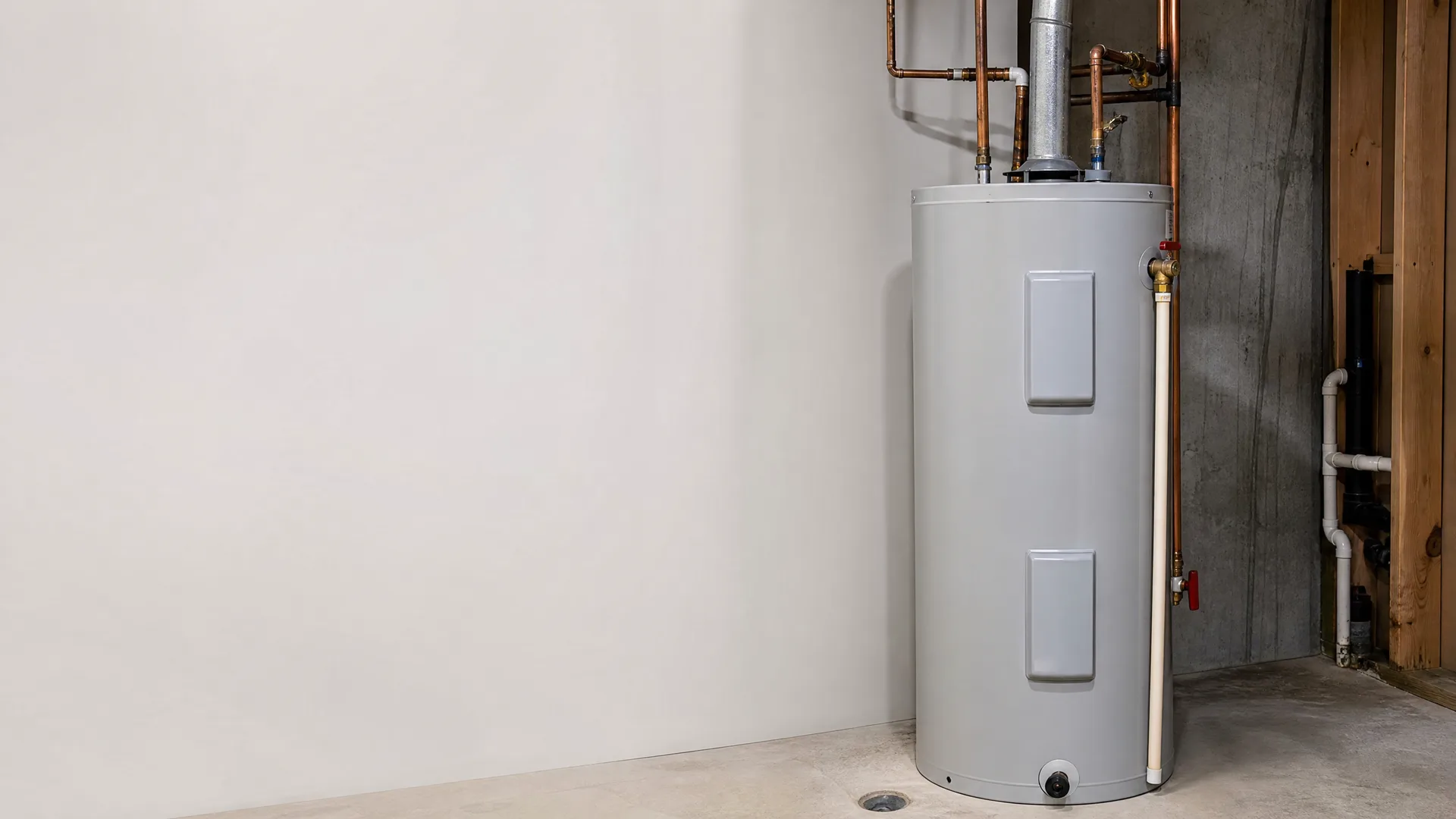
A gray cylindrical water heater with copper piping and a black vent pipe stands in the corner of a room with concrete and white walls.

What the popping actually is

Water boils under the sediment layer because that layer traps heat against the tank bottom. The burner or element keeps firing on the other side of that crust, and the trapped water turns to steam that pushes up through it. Each pop is a small bubble of steam breaking loose. A tank with a thin layer makes a few pops. A tank that has gone a long time without a flush can sound like it's got rocks in it.

A gray cylindrical electric water heater stands in a basement corner against a white wall, with copper pipes and a vent duct above it and a concrete wall and PVC piping to the right.

What the sediment does over time

Sediment sitting on the bottom insulates the water from the burner, so the burner runs longer to reach the same temperature. Gas water heaters feel this most, since the flame sits right under the tank floor where the sediment collects. On an electric tank, the lower element can end up buried in it, working harder and wearing out sooner. Left alone long enough, that layer hardens into a crust that a flush alone won't fully clear.

What does this popping mean for your tank

You'll likely notice it most when the tank is refilling after a shower or a load of dishes, a string of pops or rumbles from down low, sometimes loud enough to hear from another room. Some homeowners describe it as marbles rattling around inside. Left alone, that sediment layer keeps thickening, and the burner or element has to work harder to heat water through it. On a gas tank, the extra heat against the bottom can stress the glass lining and shorten how long the tank lasts. You might also notice the water heater running longer than it used to, or hot water that doesn't last like it did.

A dim bathroom corner with a glass-enclosed tiled shower containing a rain showerhead and wall niche, a gray towel on a rail beside a bright window, and a large plain wall in shadow at left.

Monday morning, upstairs bathroom, and the shower has been running two minutes with no steam on the mirror. You turn the knob further toward hot and wait. A towel sits folded on the rail, untouched. Downstairs, in the utility room, the tank is doing the popping you've heard all week, working harder than it should to get this water warm. You give it another minute, then step in anyway, because the bus comes at 7:40 and there's no time to chase it today. A contractor who works on tanks like yours all over Dubuque County could tell you in minutes whether that sediment is just noisy or starting to cost you hot water.

Describe it once

You could call around Dubuque looking for someone who flushes tanks, explain the popping to the first company, get put on a list, then explain it all over again to the next one when nobody calls back. Or you could hand the job to someone local who hears this same sound every week on gas tanks across the county and knows whether yours still has life in it or needs replacing. One request here goes to one contractor, not a handful of them competing for your callback. That matters with a water heater, because the longer that sediment sits and hardens, the more it works against the tank, and against your gas bill in the meantime. The popping itself won't get you hurt standing in the kitchen, but it's telling you something is already building up down there. Sort out who handles it now, while it is still a flush and not a replacement.

Leave the sediment alone, and the popping doesn't go away on its own. The burner keeps firing against that layer every time the tank refills, and the crust at the bottom only gets thicker.

A thicker layer insulates the water from the burner, so the tank takes longer to heat and works harder doing it. That's wear on a part that's expensive to replace, over a noise that's cheap to fix.

A woman with shoulder-length dark brown hair in a cream knit cardigan sits in an upholstered armchair beside a window, looking off to the side, with a white bookshelf and potted plant blurred behind her.
A woman and a child wrapped together in a thick knitted blanket on a sofa, both with eyes closed, with a lit table lamp and houseplant in the dim background.

A tank that gets flushed on schedule

A tank that's flushed every year or two never builds up enough sediment to trap heat against the bottom. Water heats, rises, and gets drawn off without a crust underneath turning any of it to steam. The burner cycles the way it was built to cycle, against bare steel, not against a layer of minerals. No popping, no rumbling, no reason to wonder what's going on down in the utility room. The tank also lasts longer this way, since sediment sitting against the bottom is what overworks a burner and stresses the tank itself over years of refills. Flushing doesn't undo damage that's already there, but it stops new sediment from adding to it.

A tank that's never been flushed

Water here carries enough minerals that a tank left alone for years builds a layer at the bottom thick enough to insulate the water from the burner. Heat has to push harder to get through, so the burner or element runs longer each cycle than it needs to. That's the popping you're hearing: water boiling under the crust while the burner keeps firing against it. Left long enough, that same layer can start to corrode the steel it's sitting on. A tank that's gone years without a flush usually needs more than a quick drain to clear it out, and a contractor who looks at it in person can tell you whether a flush will still do the job or whether the sediment has gone past that point.

Power here costs 17.13 cents per kilowatt-hour

At 17.13 cents per kilowatt-hour, an electric water heater working harder against sediment shows up on your bill fast. The burner or element below that layer has to run longer to push heat through it, and if your tank is electric, every extra minute is at that rate.

EIA-861 2025

The popping is sediment at the bottom of the tank, not a tank that's failing. A flush clears it, and the noise goes with it. Left alone, that layer keeps thickening and the tank keeps working harder to get water hot. Someone who flushes tanks around Dubuque every week knows the crust on a six-year-old tank from the crust on one that's never been touched, and knows when a flush is enough versus when the sediment has already done damage underneath. That's one contractor, local to this area, not a handful of companies calling you back at once about the same job. You'll know what's making the noise, and you'll know what it takes to stop it.

A shingled two-story house with lit windows and stone accents at dusk, with a stone paver walkway and landscape lighting leading past ornamental grasses toward a calm bay under an orange and blue sky.

Water Heater Repair

No calling every shop in Dubuque County

Step 1 of 3: Equipment
  • A beige upholstered armchair with an olive cushion sits in a sunlit corner beside a wooden side table holding a ceramic vase with leafy branches, under a framed abstract artwork, on a woven rug over a wood floor.
    • Get matched with a pro who fixes water heaters in Dubuque County.
    • Get matched with a pro who works on water heaters in Dubuque County.
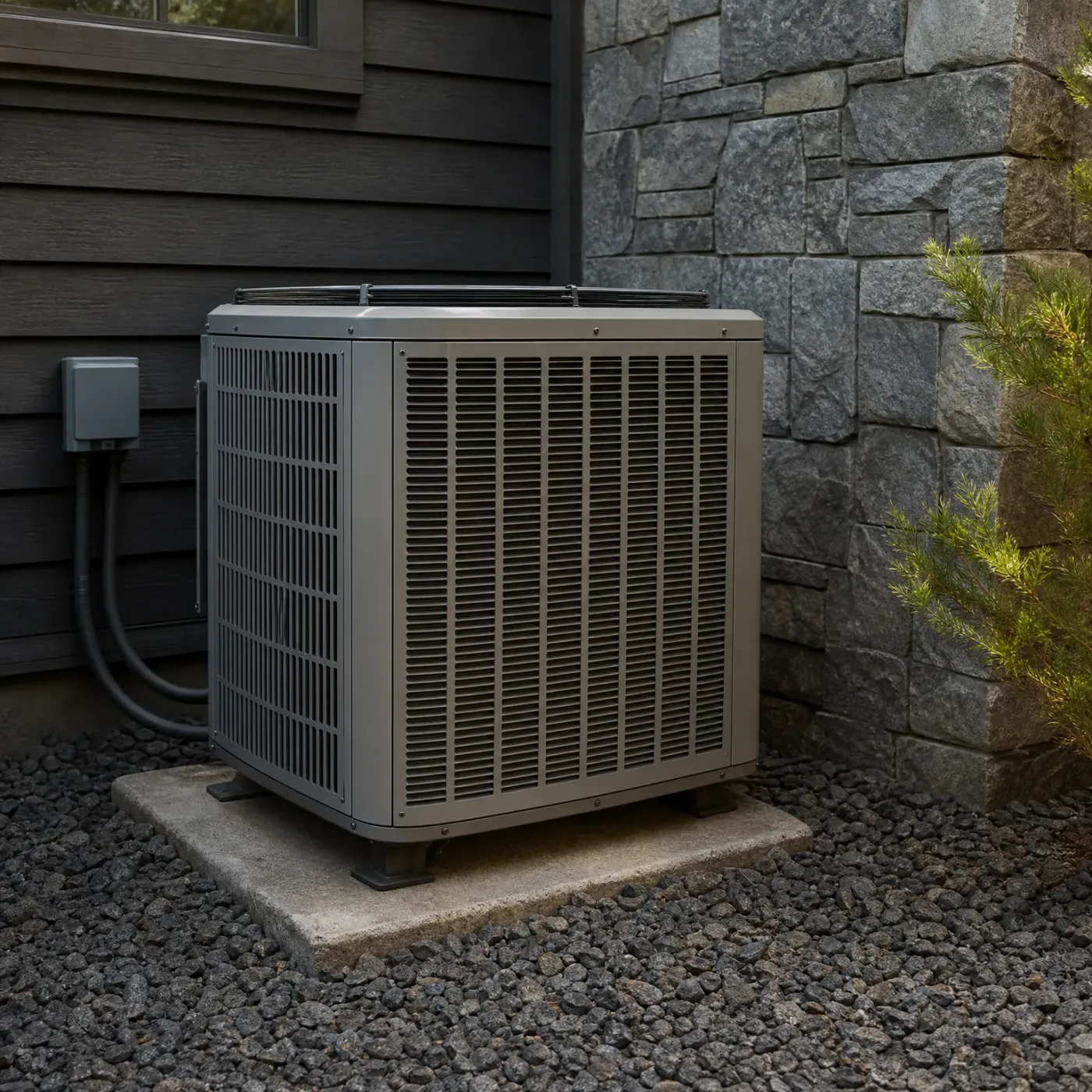
  • A gray outdoor condenser unit on a concrete pad surrounded by dark gravel, beside a dark wood-sided wall with an electrical disconnect box and a stone veneer wall with a small evergreen shrub.
    • Send the request today and stop worrying about who to call.
    • Send the request and finding a pro stops being your problem.
  • A beige upholstered oversized armchair with a matching cushion and a knit throw draped over one arm, beside a round wooden side table holding a vase of greenery near a curtained window, with a framed landscape print on the wall and a woven rug on a wood floor.
    • Skip searching for a water heater pro and answer a few questions instead.
    • One form replaces the calls you'd make to find a water heater pro.
  • Sunlit living room corner with a beige upholstered sofa, cushion and knitted throw, a round wooden side table holding a white ceramic vase of leafy branches and a small wooden bowl, a framed landscape painting on the wall, and a window at right.
    • A licensed pro who works in Dubuque County gets your request.
    • Only one pro gets your request, so you hear from one company.