Tell us about the job
Takes about a minute. No obligation.
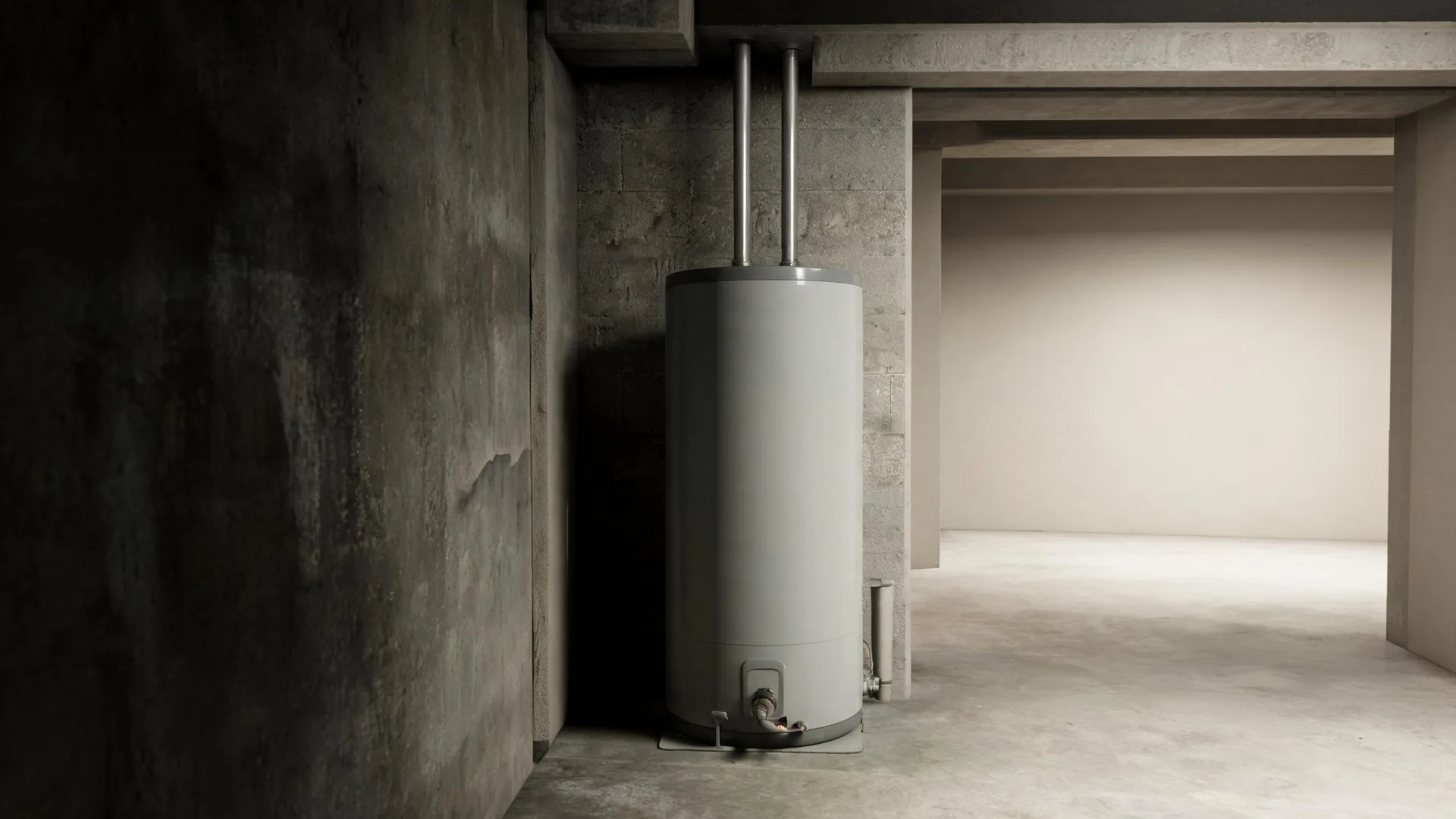
A contractor sizing or replacing a water heater in Ida County does not start from an assumption that the system has been pushed hard by the weather. 91 severe weather events were recorded in Ida County, Iowa between 2015 and 2024. That puts this area close to the middle of the national range, and a unit that has failed here deserves a close look at sediment buildup, anode rod condition, and the original installation before weather load gets any of the blame. Age and setup explain most of what contractors find.
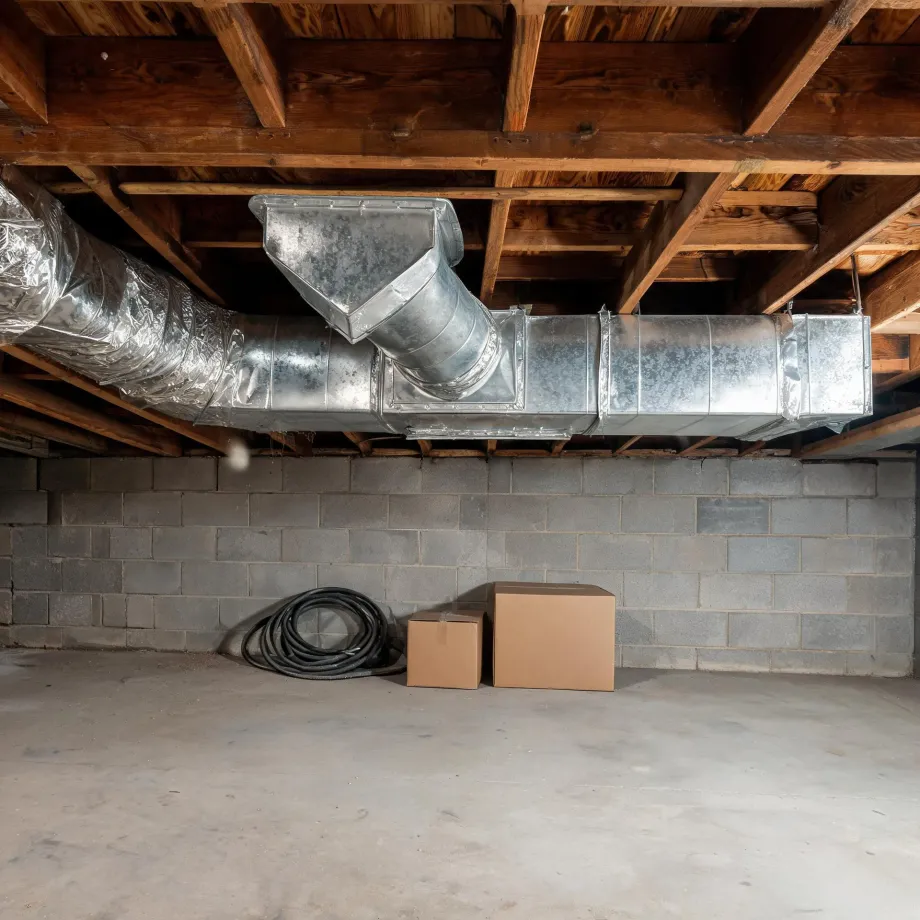
The electrical panel is what decides how a water heater installation goes in much of Ida County's older housing stock. Half the homes in Ida County, Iowa were built in 1952 or earlier (2020-2024 ACS 5-year). Wiring put in for the demands of that era was sized for a different set of appliances, and a contractor running a new water heater off that service has to establish what the panel will actually carry before any other decision gets made. If the existing service falls short, the electrical work becomes part of the job. The unit itself is straightforward to specify once that question is settled.
What Gets Installed With a New Water Heater
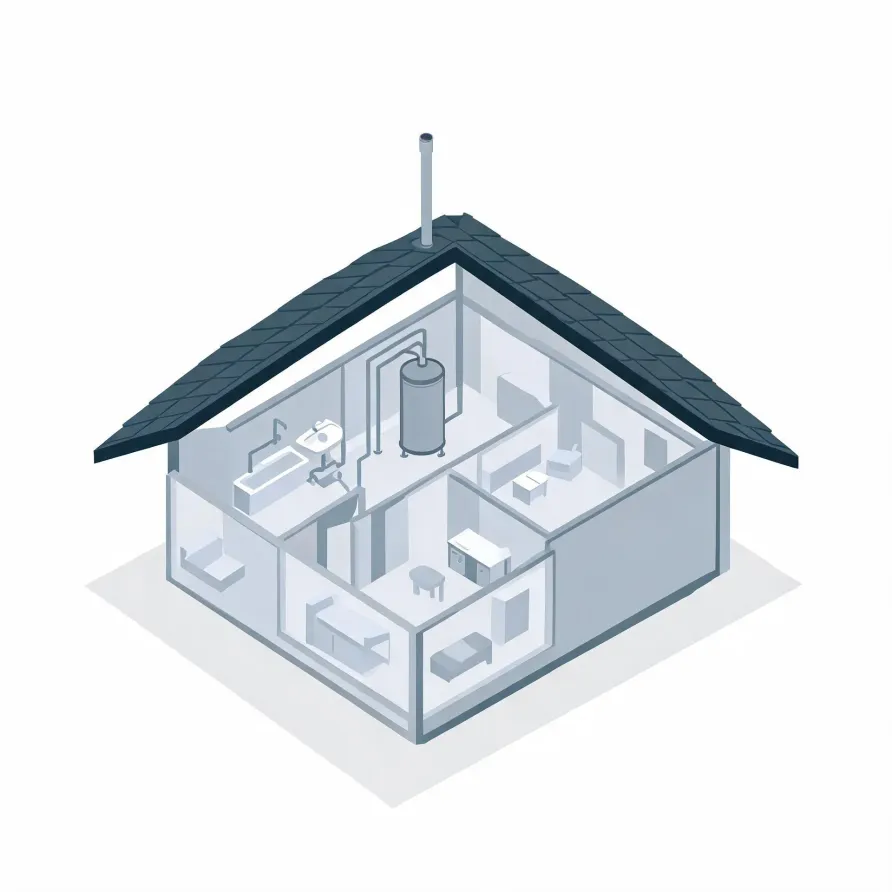
The tank is the centerpiece of the installation. It sits in a utility room, garage, basement, or closet and holds a ready supply of hot water for the house. Attached to it are the inlet and outlet pipes, which bring cold water in and carry heated water to every fixture.
The pressure relief valve mounts directly on the tank and is connected to a discharge pipe that runs toward a drain. A dedicated gas line or electrical connection feeds into the unit depending on the fuel type, and an expansion tank is added to the cold-water supply line where the plumbing requires one.
The drawing shows a typical layout, and a licensed contractor determines exactly what applies to your home.
Find a contractor in Ida CountyIda County by the Numbers
91 severe weather events were recorded in Ida County, Iowa between 2015 and 2024.
NOAA National Centers for Environmental Information, Storm Events Database, bulk CSV export, events 2015-01-01 through 2024-12-31.Half the homes in Ida County, Iowa were built in 1952 or earlier (2020-2024 ACS 5-year).
U.S. Census Bureau, 2020-2024 American Community Survey 5-Year EstimatesIda County, Iowa holds 3,369 housing units (2020-2024 ACS 5-year).
U.S. Census Bureau, 2020-2024 American Community Survey 5-Year EstimatesOwners occupy 72.9% of the occupied homes in Ida County, Iowa (2020-2024 ACS 5-year).
U.S. Census Bureau, 2020-2024 American Community Survey 5-Year EstimatesSevere Weather Events in Ida County
Ida County's weather puts real strain on water heaters, which work harder as temperatures swing and demand spikes. How much stress a unit takes on depends heavily on local conditions, which is why the pattern here matters when sizing and installing equipment for this area.
91 severe weather events, 2015–2024. Source: NOAA National Centers for Environmental Information, Storm Events Database.