Tell us about the job
Takes about a minute. No obligation.
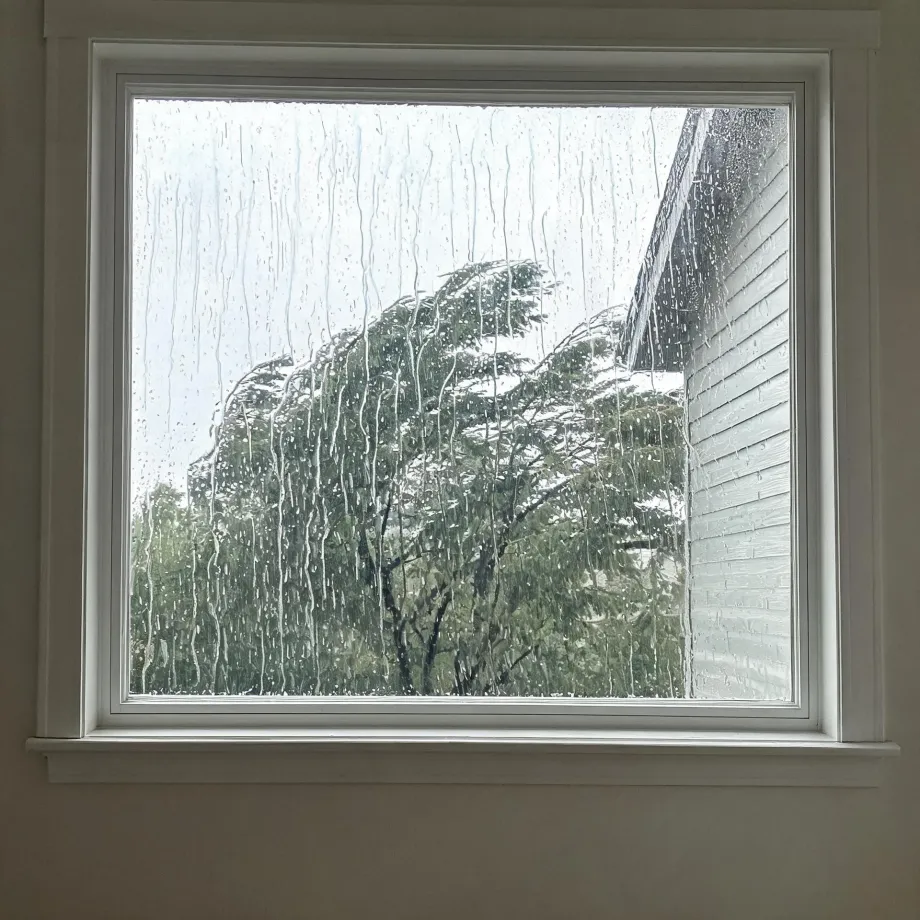
Sizing a water heater in Linn County involves more than matching tank capacity to household demand. 344 severe weather events were recorded in Linn County, Iowa between 2015 and 2024. At that rate, severe weather is part of the normal operating environment every system here runs against, and a contractor who ignores that when specifying equipment, selecting connection materials, or planning the install leaves the homeowner with a unit built for calmer conditions. The fittings and supply lines that hold up in a quieter county are not always the right choice here.
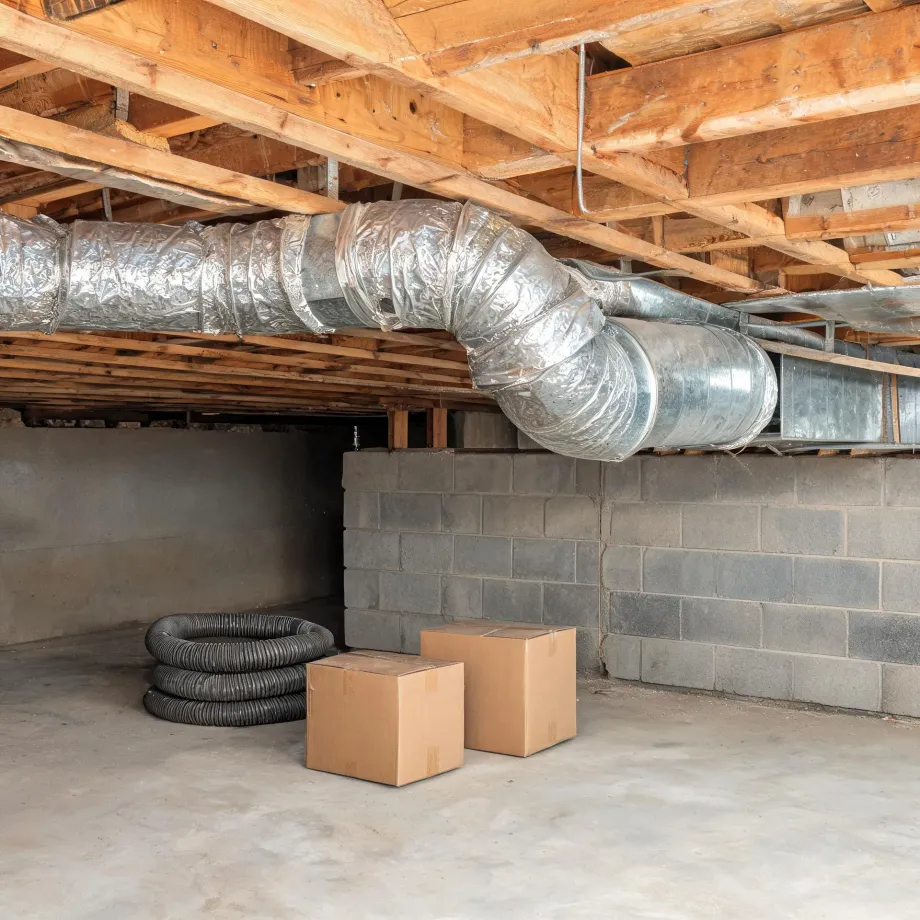
Ductwork laid down for one generation of equipment and then adapted, twice over, for the next is what a contractor finds in a large share of Linn County homes. Half the homes in Linn County, Iowa were built in 1978 or earlier (2020-2024 ACS 5-year). That history means the routing, the clearances, and the connections a new water heater depends on reflect decisions made for systems long gone. A contractor pricing the job here measures what is actually in place before settling on anything else, because what the existing runs can carry determines whether the installation is straightforward or whether sections have to be redone.
The Parts of a Water Heater an HVAC Contractor Works With
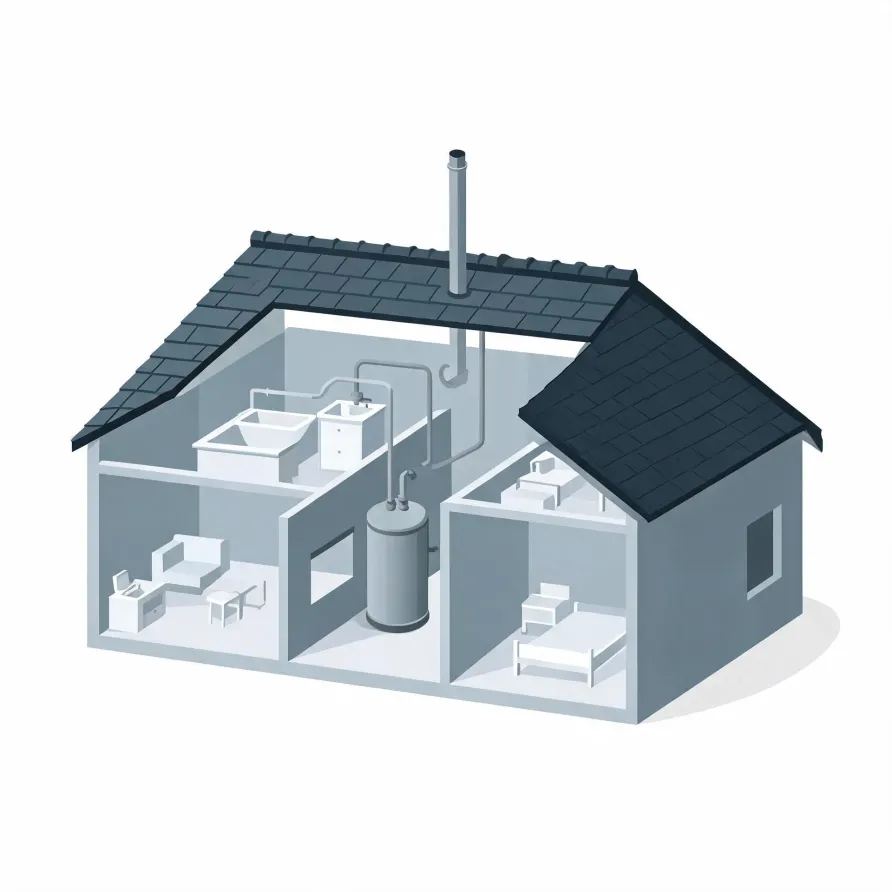
The storage tank is what most homeowners recognize first. It sits in a utility room, basement, or garage and holds the water supply that gets heated. Attached to it are the inlet and outlet connections, which bring cold water in and send hot water out to the rest of the house.
The pressure relief valve mounts directly on the tank and releases if internal pressure climbs too high. The drain valve sits near the base. A flue or exhaust vent runs from the top of the unit out through the wall or roof, and the thermostat controls the temperature the system holds.
The drawing shows a general layout of these components, and a licensed contractor determines what applies to the specific setup in your home.
Get matched in Linn CountyLinn County, Iowa, by the numbers
344 severe weather events were recorded in Linn County, Iowa between 2015 and 2024.
NOAA National Centers for Environmental Information, Storm Events Database, bulk CSV export, events 2015-01-01 through 2024-12-31.Half the homes in Linn County, Iowa were built in 1978 or earlier (2020-2024 ACS 5-year).
U.S. Census Bureau, 2020-2024 American Community Survey 5-Year EstimatesLinn County, Iowa holds 103,104 housing units (2020-2024 ACS 5-year).
U.S. Census Bureau, 2020-2024 American Community Survey 5-Year EstimatesOwners occupy 73.5% of the occupied homes in Linn County, Iowa (2020-2024 ACS 5-year).
U.S. Census Bureau, 2020-2024 American Community Survey 5-Year EstimatesCodes & Standards Governing Water Heater Installation in Linn County, Iowa1 sourced rules and standards
Licensing and Legal Requirements in Linn County, Iowa
Iowa requires a state licence to install or repair HVAC, refrigeration, mechanical or plumbing systems, and to operate as a contractor, with exceptions listed in section 105.11.
Severe Weather Events in Linn County
Water heaters work against whatever the local climate puts on them, and in Linn County that load is shaped by how often severe weather moves through. The heavier that history, the harder the equipment works and the more it matters to have the right unit sized and installed for this area.
344 severe weather events, 2015–2024. Source: NOAA National Centers for Environmental Information, Storm Events Database.