
Half of homes here run electric
Half the homes in Polk County use electric water heaters. A tripped high-limit switch or a burned-out element is a common reason the water runs cold.
After this form, you can stop searching for a water heater pro.
Hand off my repairNo hot water usually means the pilot or igniter went out, the gas valve failed, or the heating element burned out if you have an electric unit. Most homes around Des Moines run gas water heaters, and a pilot that won't stay lit often points to a bad thermocouple, a part a contractor can swap without replacing the whole tank. If the pilot is lit but the water still runs cold, the gas control valve itself may have failed. On an electric water heater, a dead upper or lower element or a tripped high-limit switch will cut off hot water the same way. Sediment that builds up in the tank over years can also bury the burner or cover an element, so a tank that's never been flushed is more likely to fail. None of these need a new water heater first. A contractor who works on these year-round can usually tell which part failed and fix it the same visit.
2.41 people per household on average
With 2.41 people in the average household here, mornings stack up fast, and a tank that's struggling to recover shows it first when the second or third person showers.
Half the homes here were built by 1982
Half the homes in Polk County were built in 1982 or earlier, which puts the original water heater well past replacement in a lot of these houses, if yours hasn't been swapped out already.
65.7% of homes heat with gas
At 65.7%, gas is how most homes here heat water, so a pilot or igniter problem is the more common call than a failed electric element.
ACS 2020-2024
If you have a gas water heater, check the pilot or the igniter window first. A gas valve that senses no flame will shut off and stay off, and that shows up as cold water everywhere in the house at once, not a slow fade. Relighting it yourself works sometimes, but if it goes out again within a day, something is cutting the gas or the flame sensor isn't reading right, and that calls for a contractor who works on gas valves and thermocouples regularly. Winters here push these units harder, and a unit that's marginal in October can fail outright in January once the incoming water runs colder and the burner has to work longer to catch up.
An electric water heater with no hot water at all usually means the upper heating element has burned out, since that one does most of the work and fails first. If you still get a little warm water before it runs cold fast, the lower element is more likely the problem. Check the breaker before anything else, since a tripped breaker looks identical to a dead element from the tap. Electric units don't depend on a pilot or a gas line, so there's nothing to relight, but a failed element has to be replaced rather than reset. A contractor can test both elements and the thermostat in one visit and tell you which one quit.
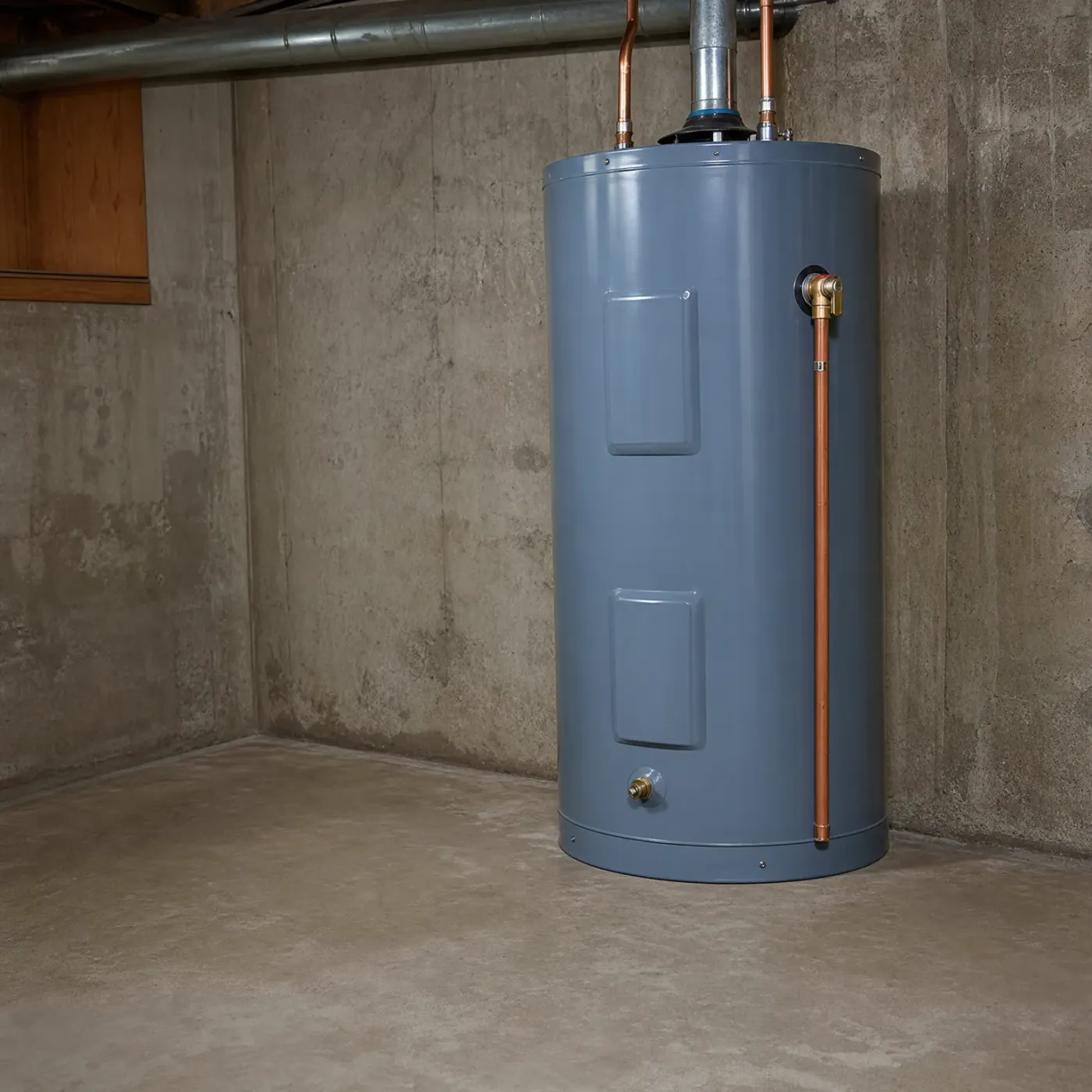
Half the homes in Polk County use electric water heaters. A tripped high-limit switch or a burned-out element is a common reason the water runs cold.
A standing pilot keeps burning even when the power goes out. If you lost hot water during an outage, the pilot isn't the problem.
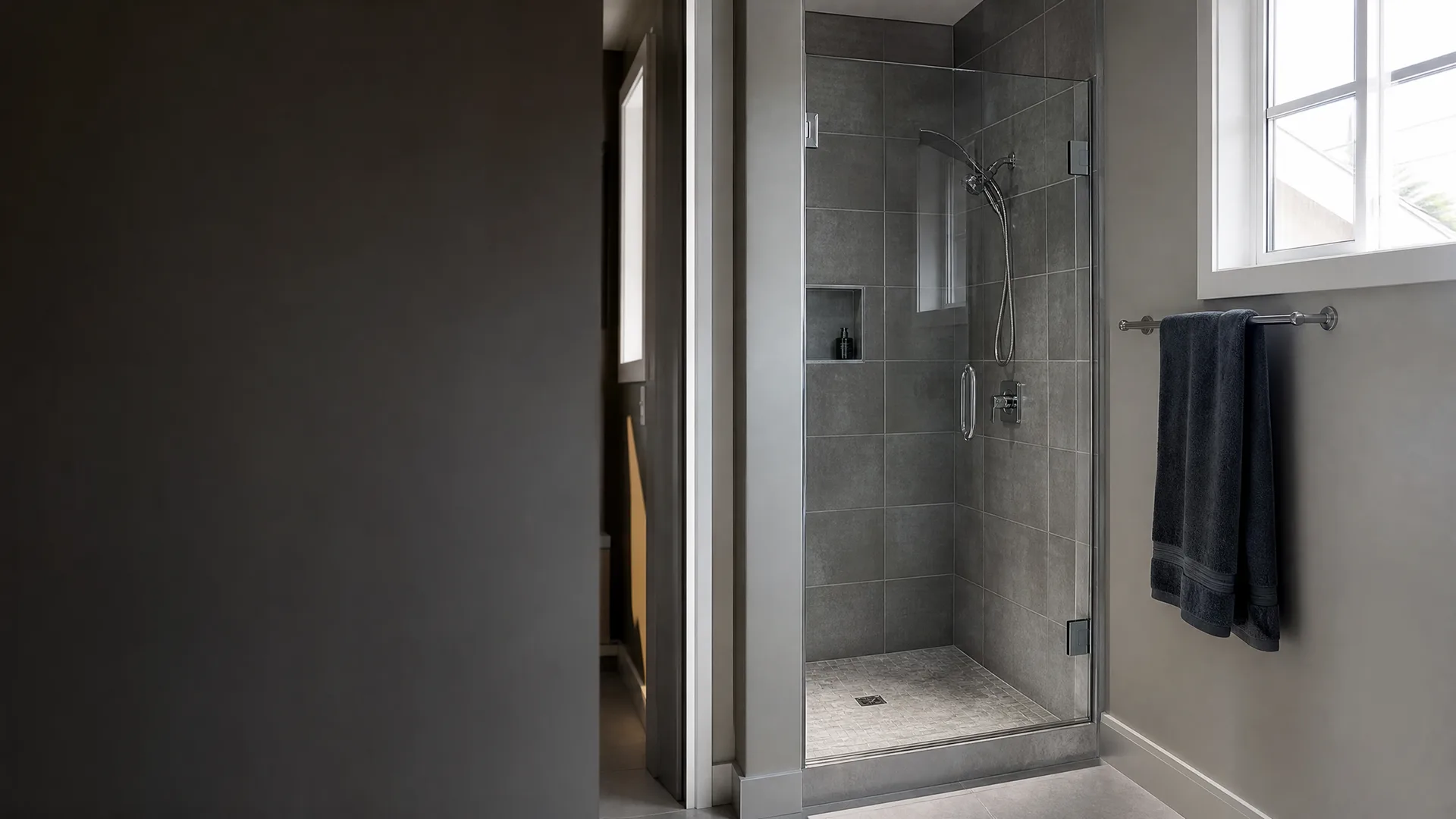
The water's cold before you've even rinsed the shampoo out. It's a Tuesday, a little past six, and you had maybe four minutes of warm water before it quit. You stand there a second, waiting for it to come back, but it doesn't. The towel's still hanging on the rail where you left it, dry. No steam on the mirror this morning. You shut the water off and stand in the cold bathroom, already running through who else in the house still needs a shower before work and school. Outside, Polk County is just getting light. You reach for your phone before you reach for a dry towel, and somewhere in the next few minutes, this stops being your problem to solve alone.
A licensed pro who works in Polk County gets your request.
It costs nothing to send, and you don't have to hire anyone.
A pilot that blew out once might stay lit when you relight it, and a tripped switch might hold after you reset it. If nothing else is wrong, that's the end of it. But if the pilot won't stay lit a second time, or the breaker trips again, something failed and relighting it or flipping the switch back on won't fix that. You'll be doing the same thing again tomorrow, probably at the same bad moment, and a tank that keeps shutting itself off is telling you the part behind it is done.
A tech who works on these tanks all winter can tell from the pilot window, the breaker, or how the water fails whether it's a thermocouple, a gas valve, a high-limit switch, or an element, and most of these are parts, not the whole tank. Getting it looked at now means you know which one it is instead of guessing through another cold shower. It also means whatever's wrong gets fixed once, instead of you resetting a switch or relighting a pilot that's only going to quit again.
At that rate, an electric water heater here doesn't run up the bill the way the furnace does in January. So if yours is out, the fix is worth doing right rather than patching around the cost of power. A new element or switch is the cheap part either way.
EIA-861 2025
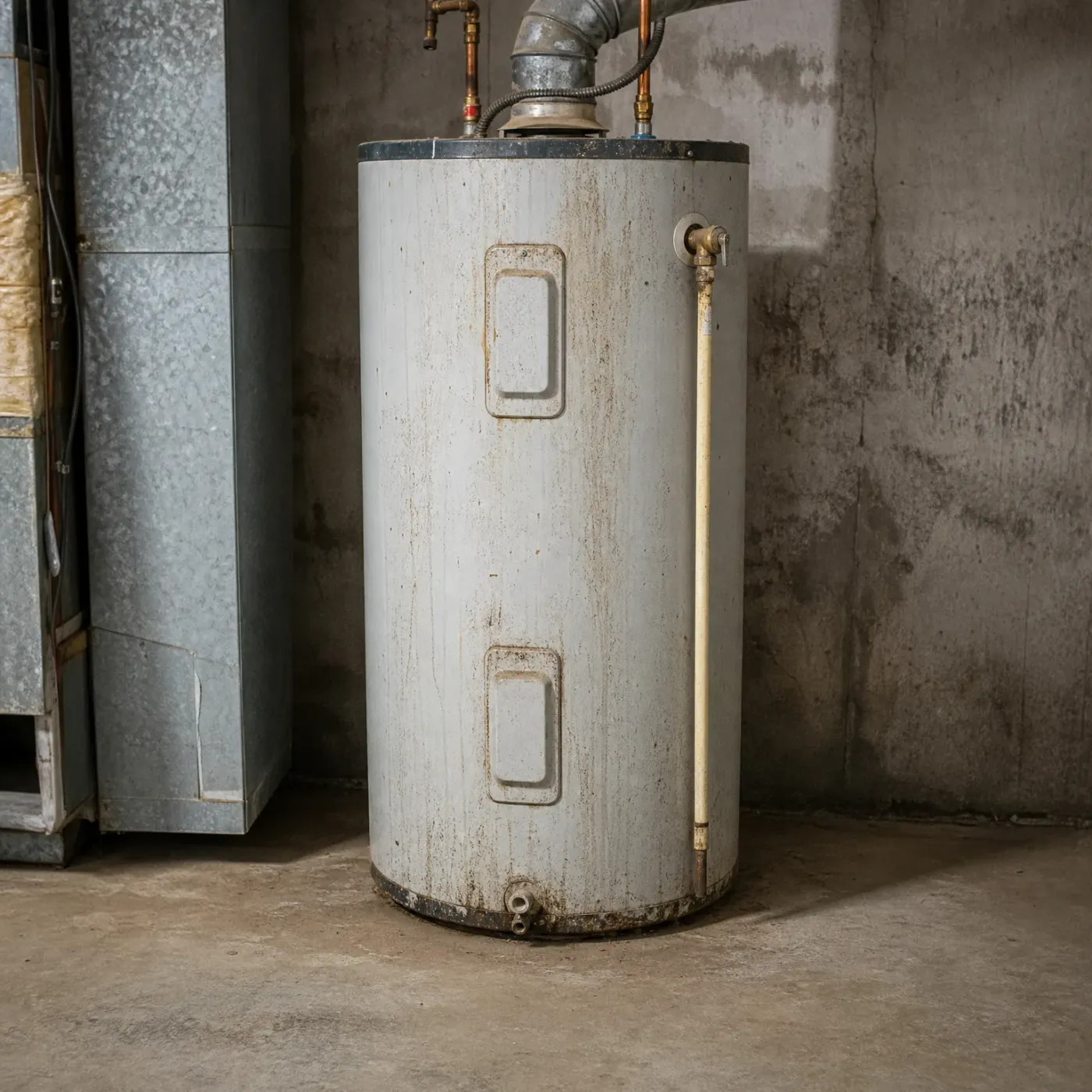
You've probably noticed the water turning cold faster than it used to, or it never gets properly hot to begin with. Maybe you hear a popping or rumbling from the tank, or you've caught a metallic smell in the water itself. If it's a gas unit, you might have gone to relight the pilot more than once this month. If it's electric, the breaker might be tripping on its own. None of that fixes itself. A tank that's struggling to heat is usually also struggling somewhere inside, and left alone, a failing element or a corroding tank can mean a flooded utility closet instead of just a cold shower.
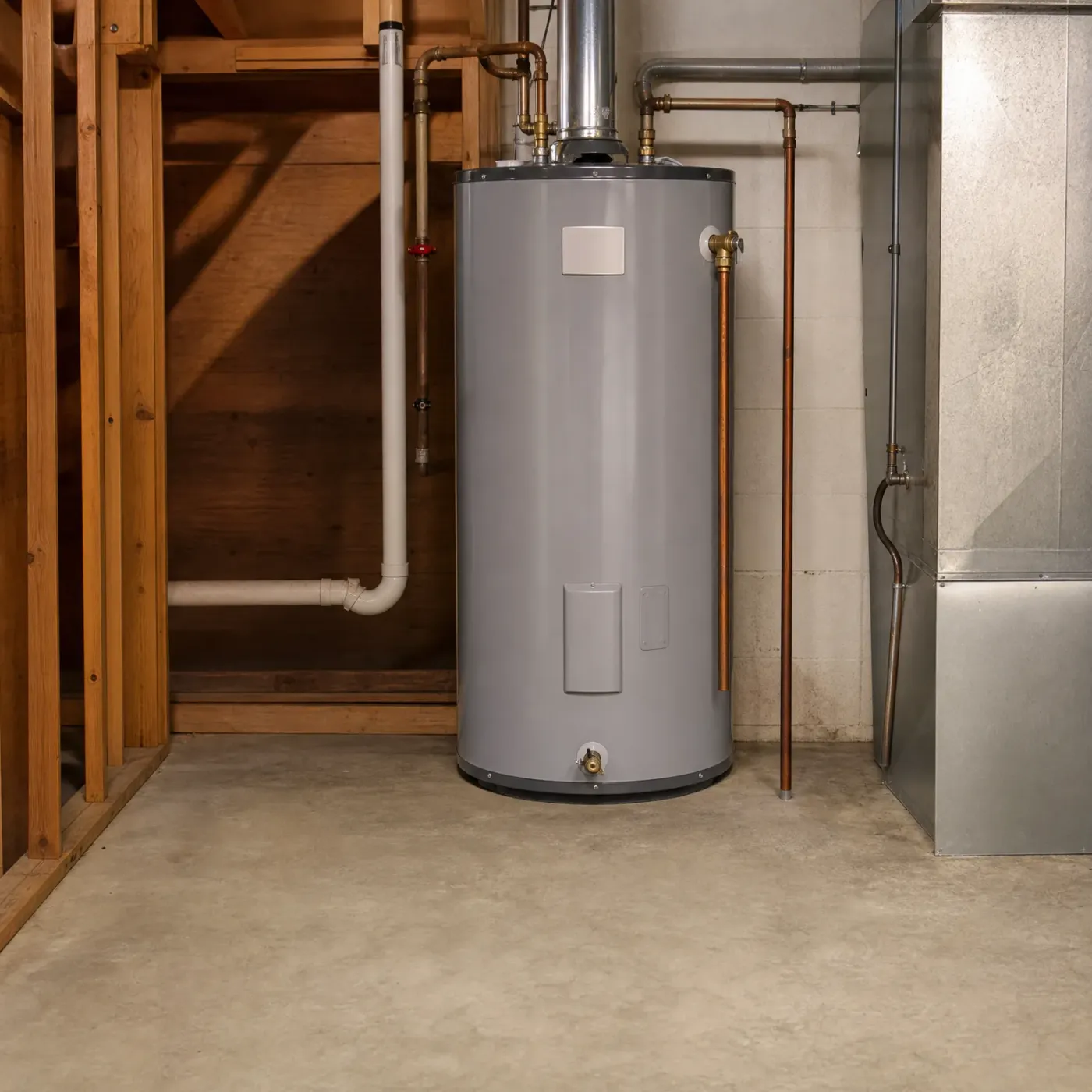
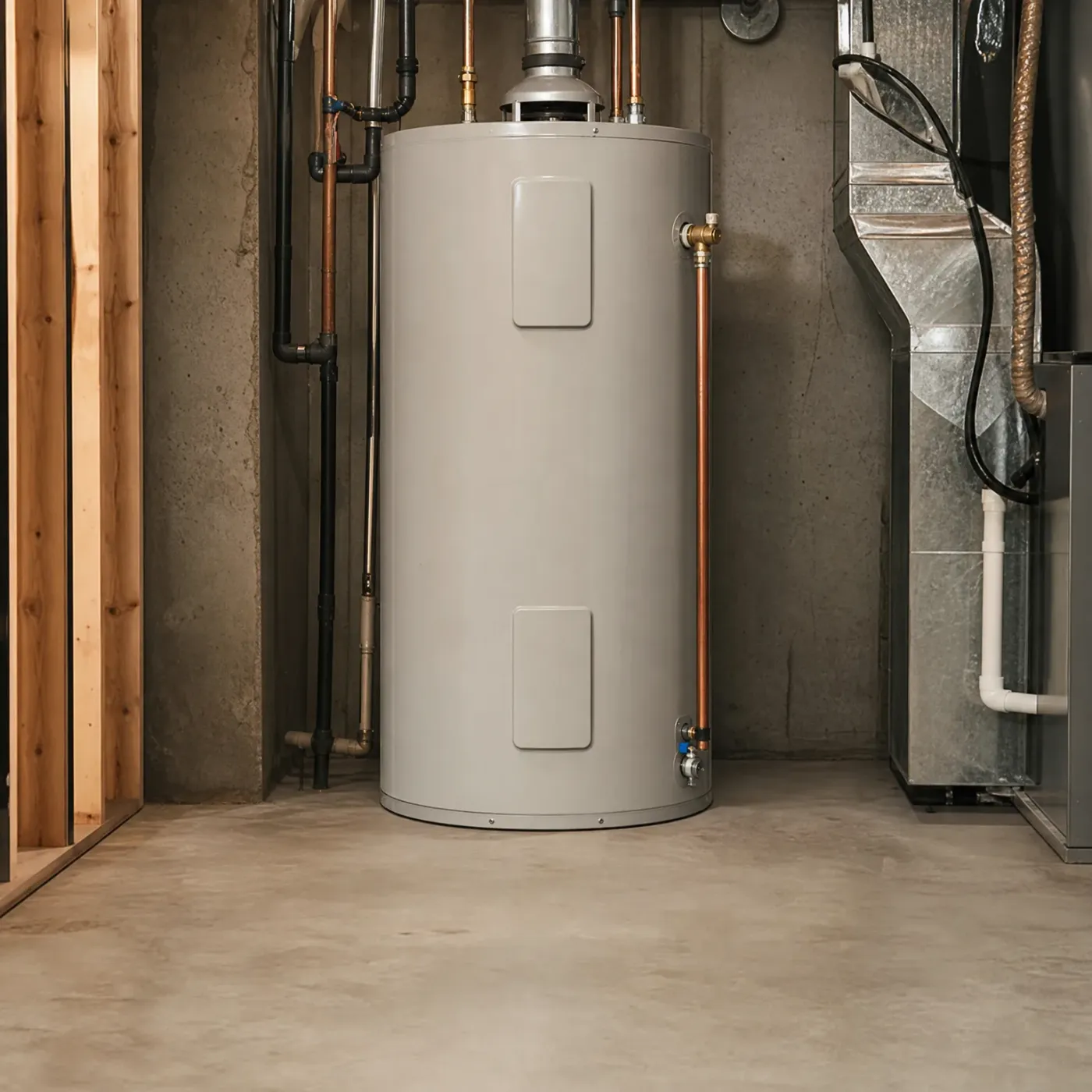
A water heater like this one keeps quiet. The copper lines stay dry, the fittings show no rust, and the tank just does its job next to the furnace and the ductwork without anyone thinking about it. That's what a working tank looks like year round.
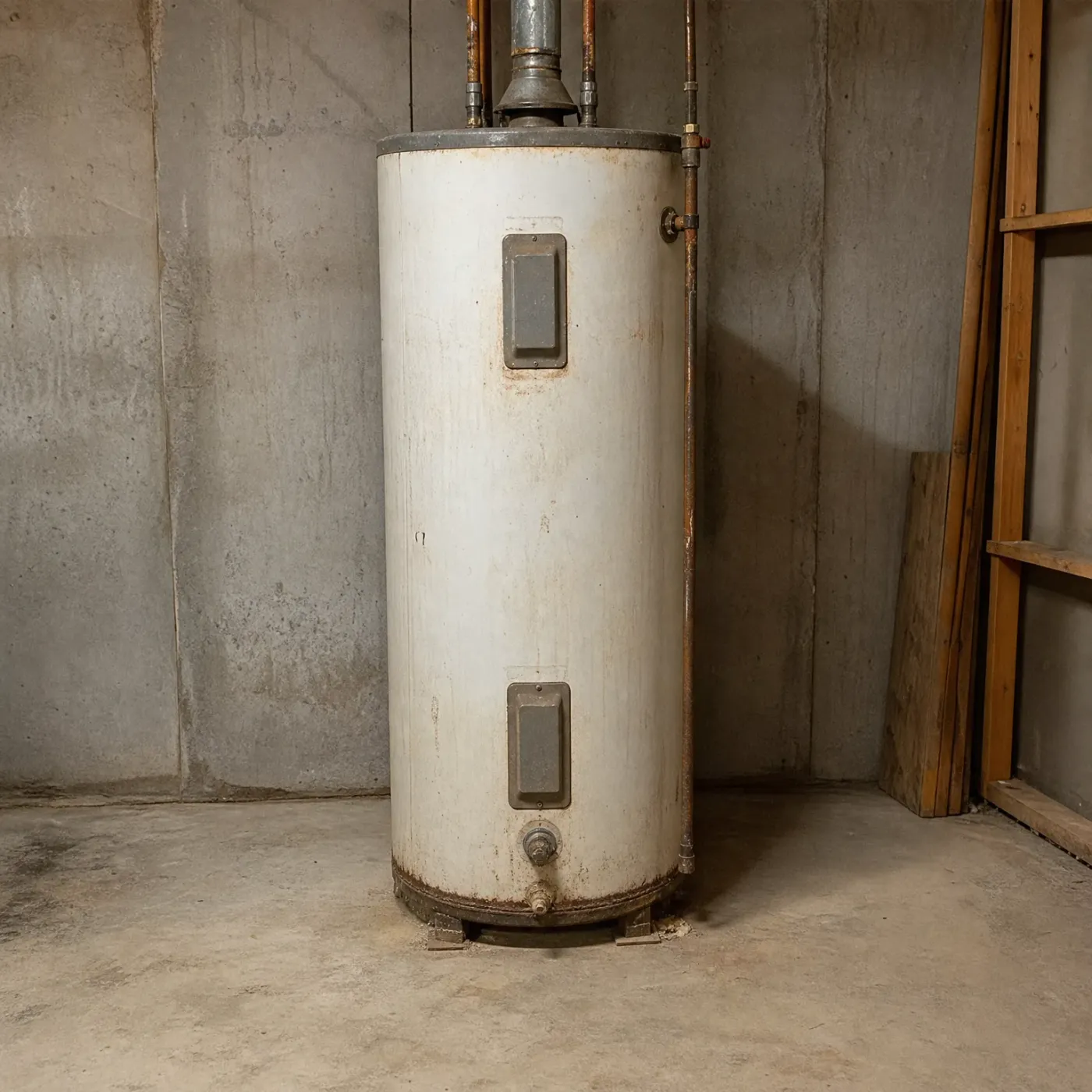
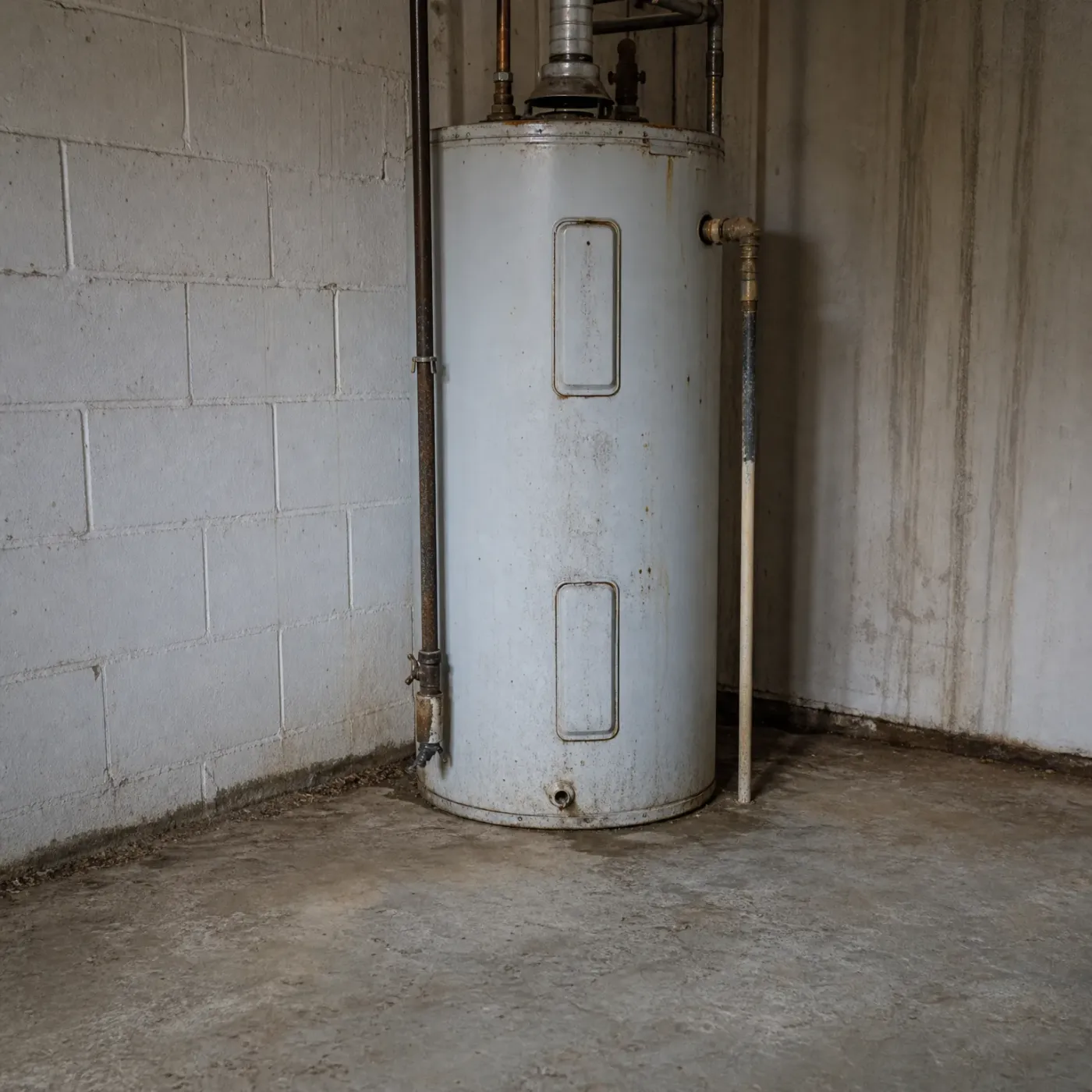
Rust has worked its way down the tank and onto both thermostat panels. Once the steel starts going like this, a new element or switch won't save it. The drain valve at the bottom is usually the first place a leak like this shows up.




Cold water almost always traces back to one of three things. A gas unit loses its pilot or its gas valve fails, and the house goes cold all at once. An electric unit trips a high-limit switch or burns out an element, and you'll usually notice the supply getting weaker before it quits outright. Either way, the tank itself is probably fine. These are small parts, and swapping them is routine work for anyone who services water heaters around Des Moines regularly.
The one thing that changes the answer is rust. If you see it climbing the tank or crusting around the relief valve, that's not a part failing, that's the steel itself giving out, and no reset or swap fixes that. Everything else, a pilot that won't hold, a switch that won't stay reset, a breaker that trips again, points to a specific part that needs replacing rather than a tank that needs replacing.
You can check some of this yourself. Relight the pilot or reset the switch and see if it holds overnight. If it does, you're done. If it doesn't, or if the water runs cold again within a day, that's your sign the part itself has failed and needs a hand that knows these tanks. A contractor who works on them every week can look at the pilot, the valve, the element and the rust and tell you in one visit which of these you're dealing with, and whether it's a quick repair or time to talk about a new tank.


Done looking for a water heater pro
A licensed pro who repairs water heaters in Polk County gets your request.