

Still doing its job
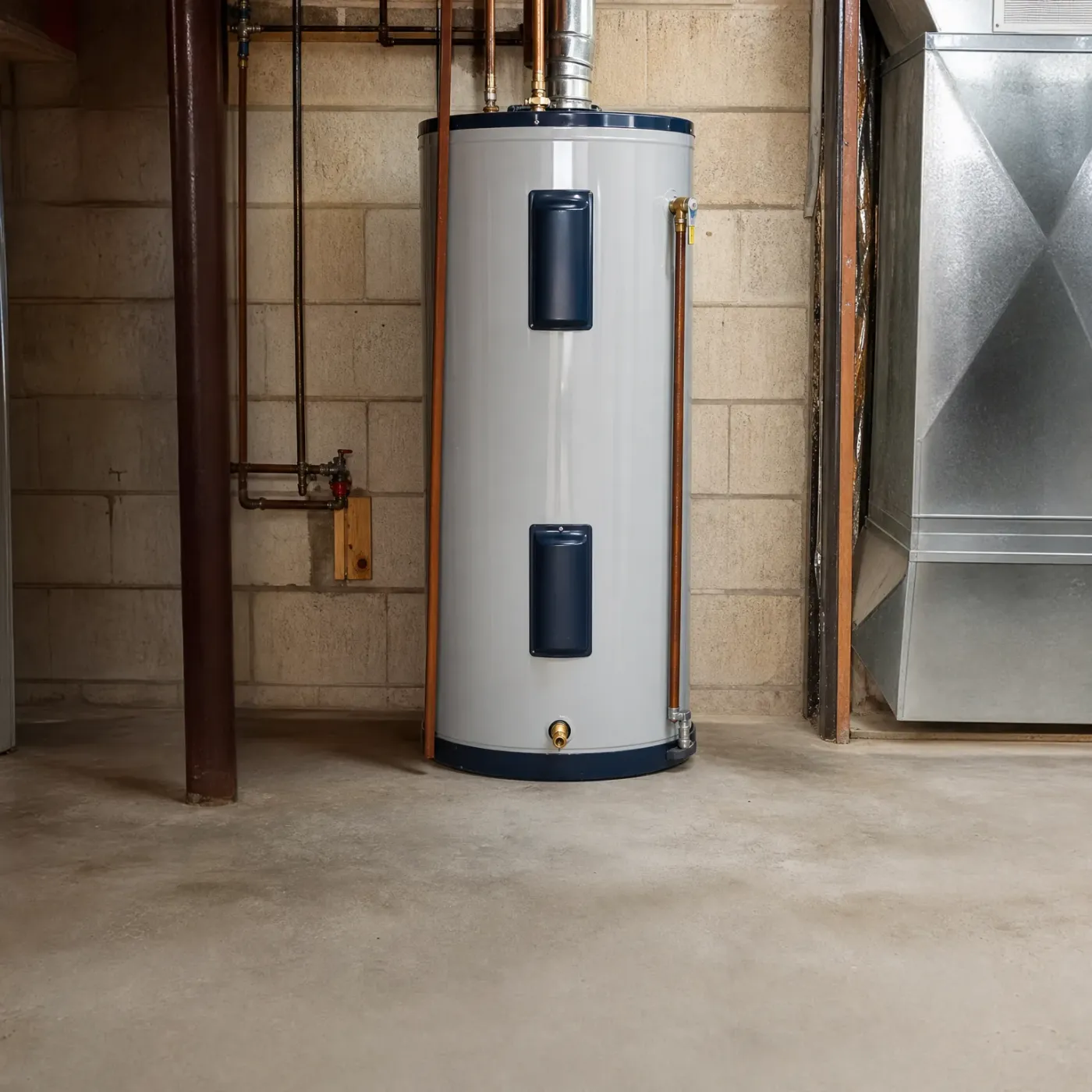
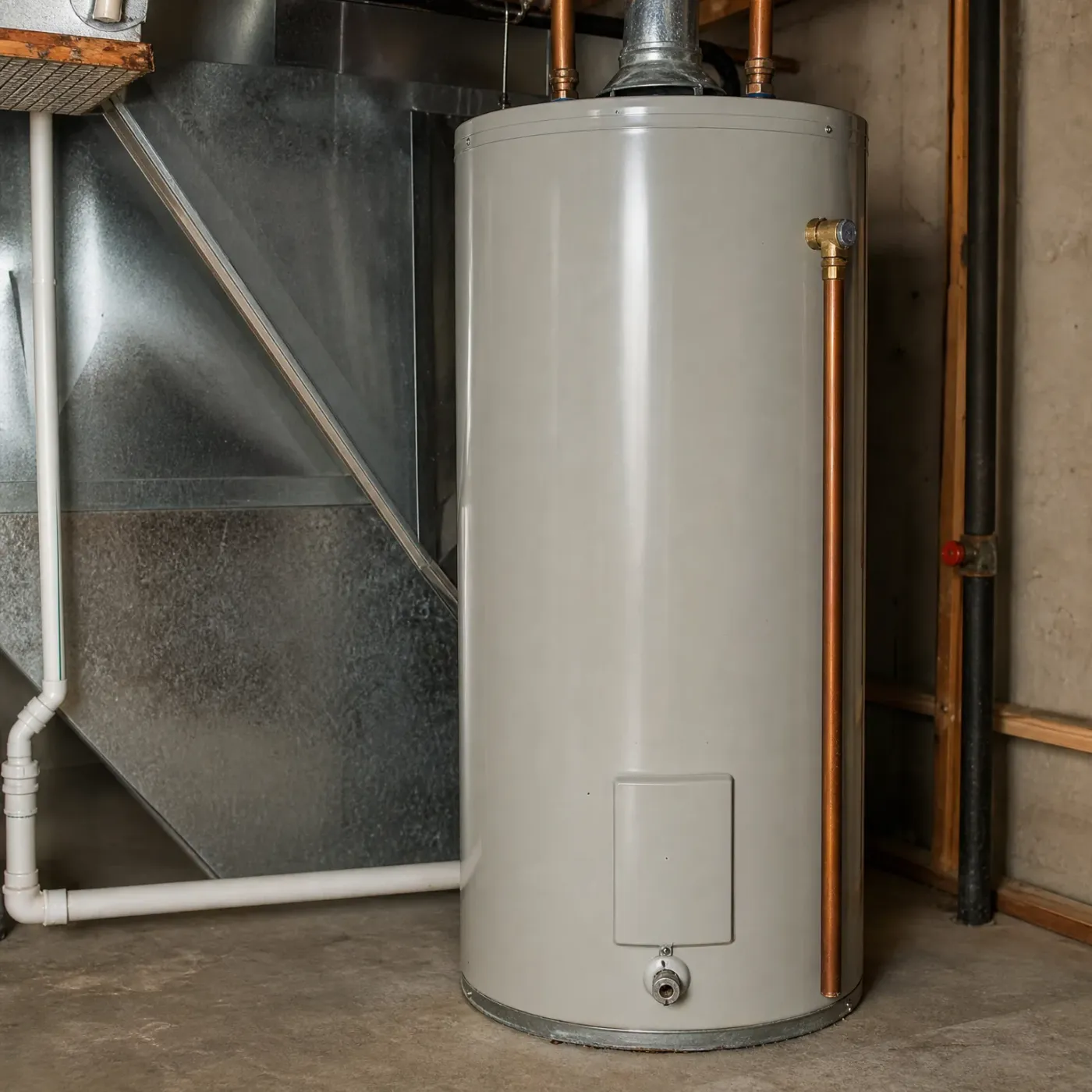
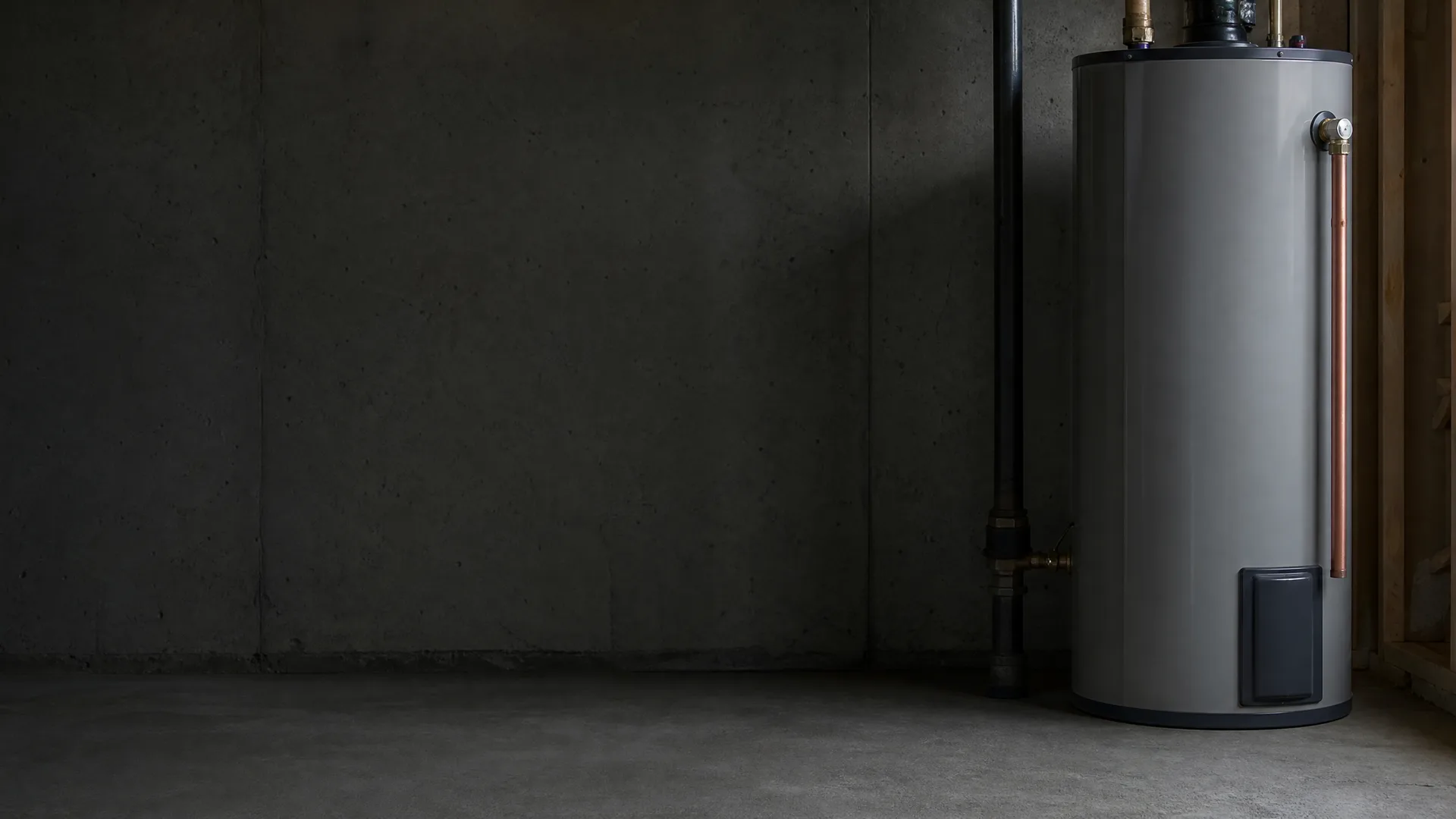
A gas tank water heater like this one, hooked up and venting fine, doesn't need to be replaced early just to go tankless. If it's heating water without trouble, let it run out its years before you spend anything.
You want to know if going tankless makes sense for your house, and that depends on things specific to your home, like your gas line, your vent, and what you've got in there now. Most homes around Iowa City heat with gas, which matters for this question. A local contractor who installs these year-round can look at your setup and give you a straight answer instead of a guess. Send the form and the search is over, one licensed local pro gets matched to your job, not a handful of companies competing for your callback. You stop juggling quotes and wondering who actually knows tankless units in this area versus who just sells what's easiest. That's one less thing on your plate.
For most homes in and around Iowa City, a tankless water heater is worth it if you're replacing a gas tank unit and plan to stay in the house a while. Gas is the common fuel here, and a tankless unit run on gas doesn't keep a tank of water hot around the clock, so it uses less fuel over a year than a standard tank does. The real question is what's already in your house. A gas tankless unit usually needs a bigger gas line and a different vent than your old tank used, and if your house doesn't have those, putting them in adds to the job. If your current water heater is electric, switching to gas tankless is a bigger change than replacing a gas tank with a gas tankless one. Either way, you get hot water that doesn't run out, which matters most in a house where showers and laundry compete for it.




Cold water enters the unit through the inlet valve.
A flow sensor detects water movement and triggers the burner.
The gas burner fires and heats the exchanger fast.
Water passes across the hot exchanger and warms in seconds.
A tank water heater in a typical house runs on a smaller gas line because it only has to keep a tank warm over hours. A tankless unit heats water the moment you turn on the tap, and that takes a lot more heat right now rather than spread out. If your house has an older, smaller gas line, that's often the first thing a contractor checks before anything else gets installed.
A tank water heater sips gas steadily to hold a tank of water at temperature. A tankless unit has no tank to draw from, so when you open the hot tap, the burner has to heat that water to temperature as it passes through, right then. That takes far more gas flow in that moment than a tank ever needs. Most gas lines sized for a tank unit were never sized for that kind of demand. A contractor checks the line size and the meter before installing a tankless unit, and in a lot of homes around Iowa City, especially older ones, the line has to be upsized to carry enough gas to the unit without starving other appliances on the same line.
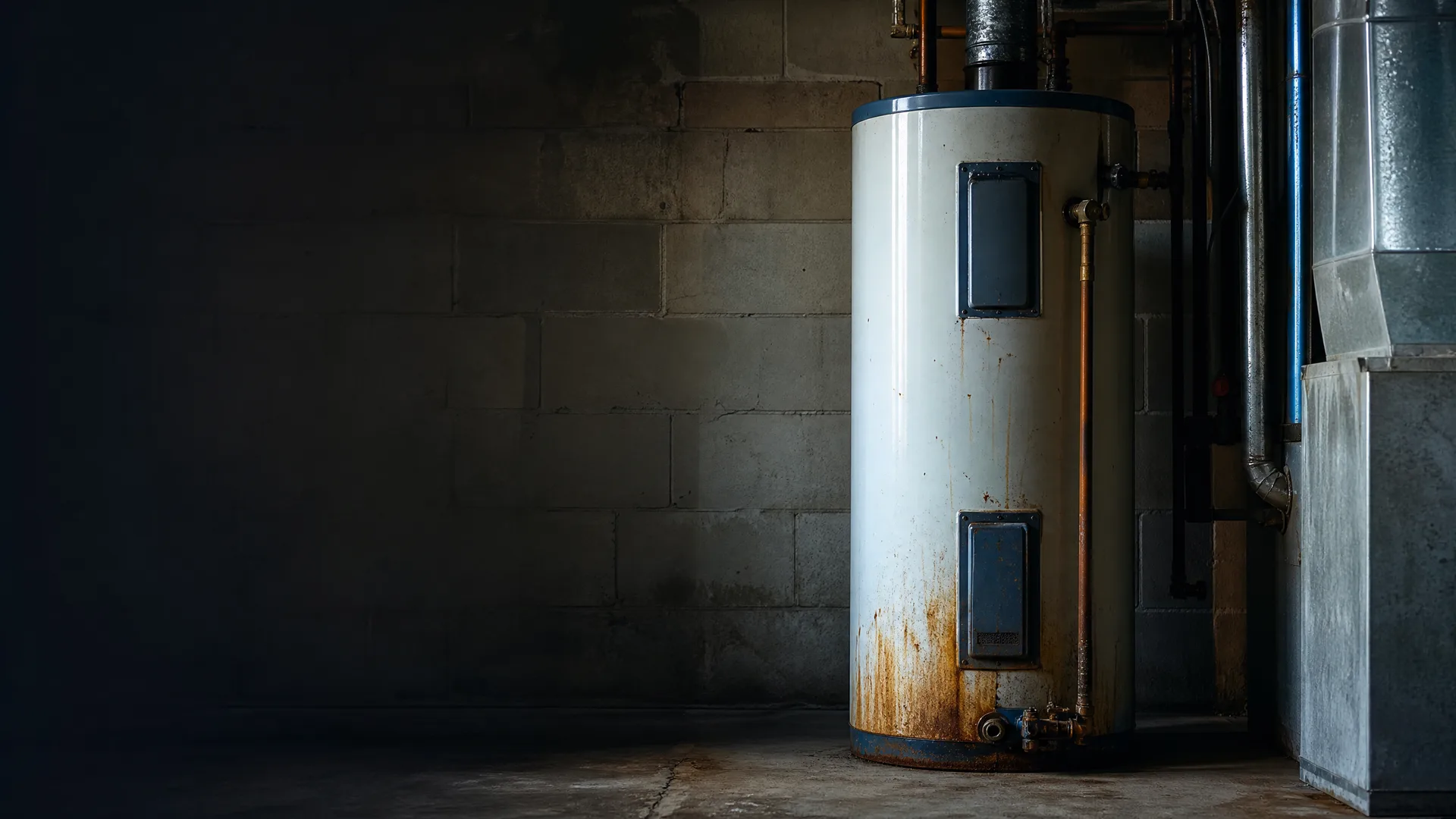
You go down to the utility room after dinner to grab something from the freezer, and the light's still on from earlier. It's dark outside already, that early kind of dark Johnson County gets once fall turns toward winter. The tank sits in the corner the way it always has, and you almost walk past it, but tonight you catch the rust at the base, streaked down over the seam and onto the floor. You crouch and touch it. The metal gives a little. You stand there a second longer than you meant to, thinking about how long it's actually been since anyone looked at this thing.
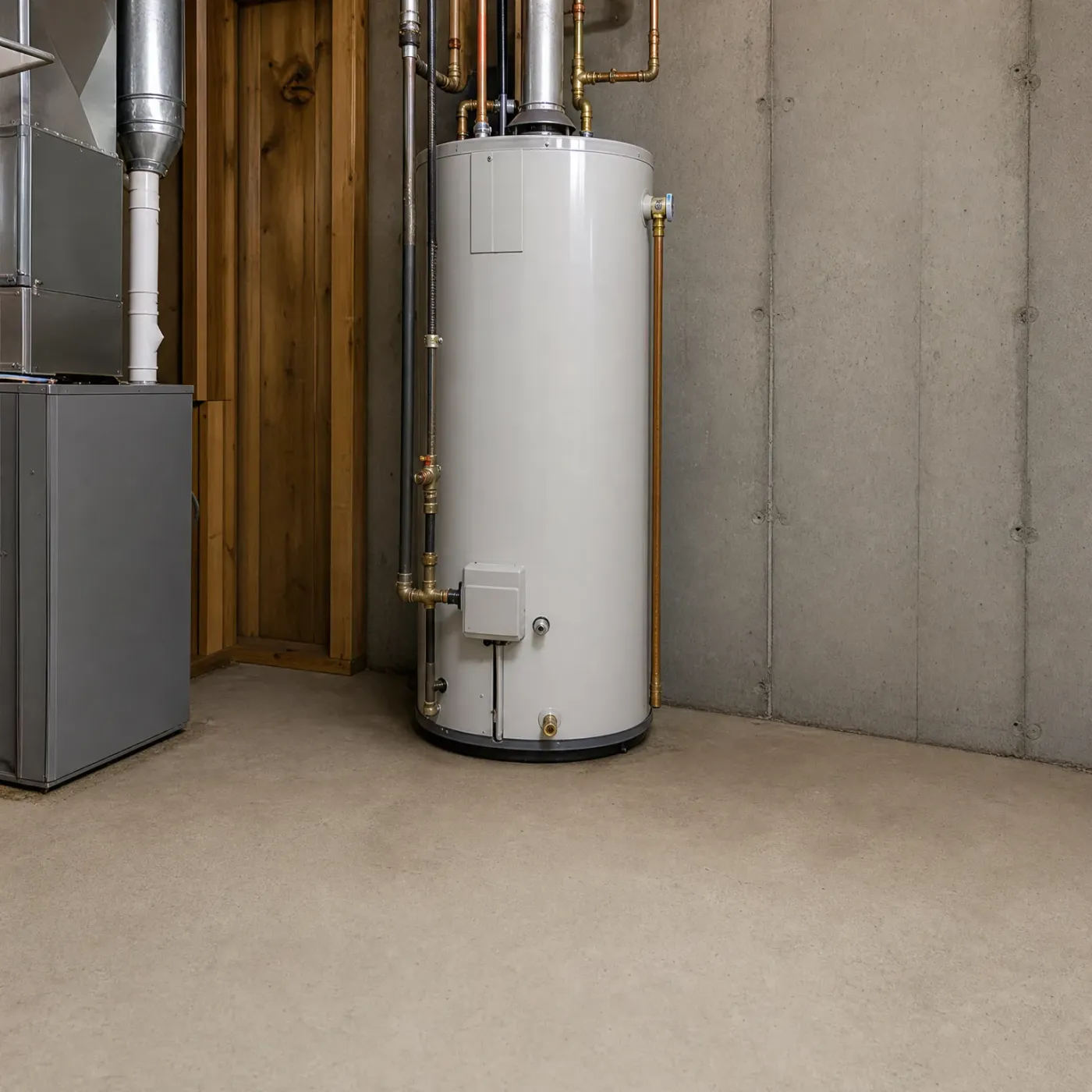
A gas tank water heater like this one, hooked up and venting fine, doesn't need to be replaced early just to go tankless. If it's heating water without trouble, let it run out its years before you spend anything.
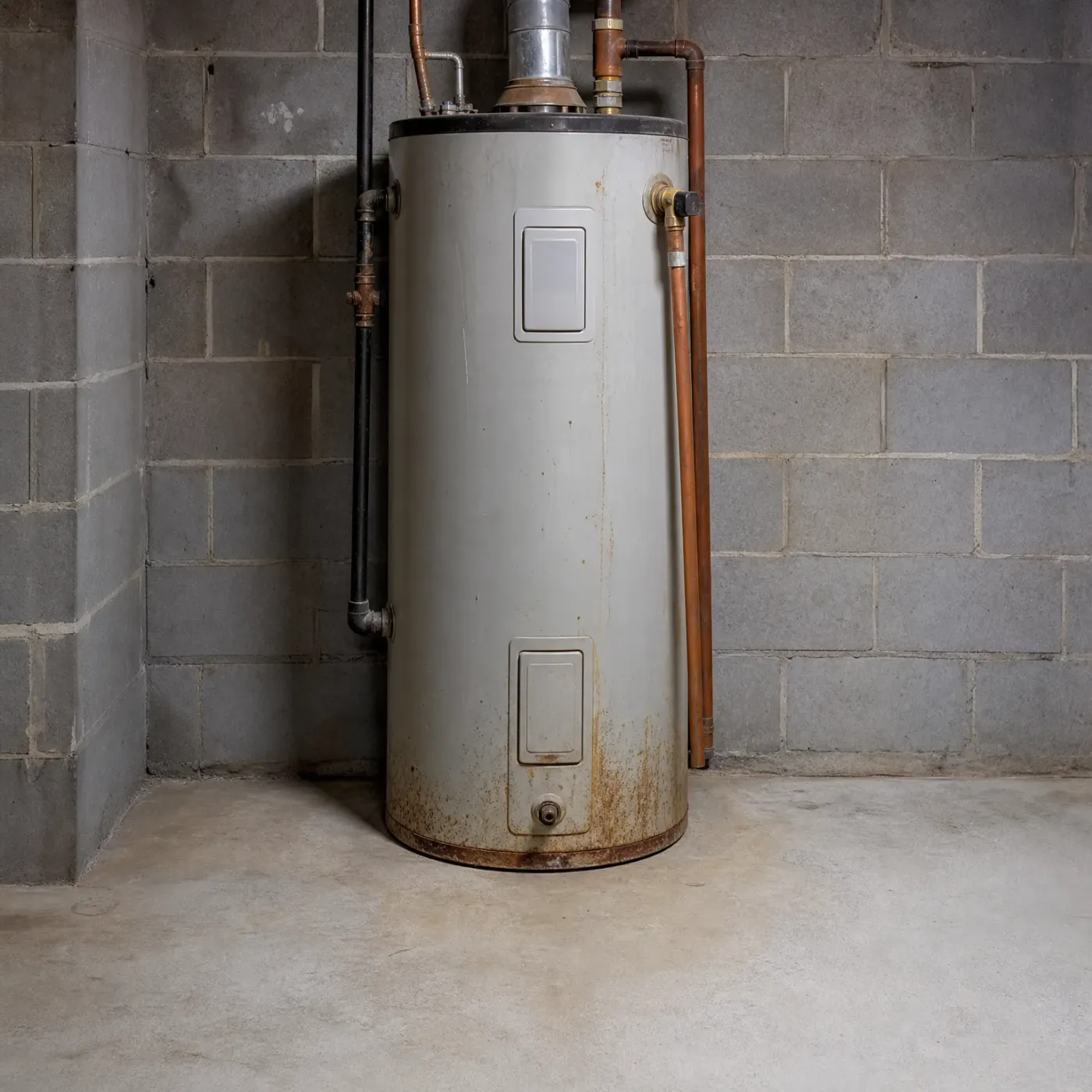
Rust along the base and seams like this means the tank is failing and water could start leaking any day. Once you're replacing it anyway, that's the moment to price a tankless unit instead of buying another tank.


A licensed installer who works in Johnson County gets your project.
One request ends the search for a water heater installer.
No charge to send it. You decide if you hire them.
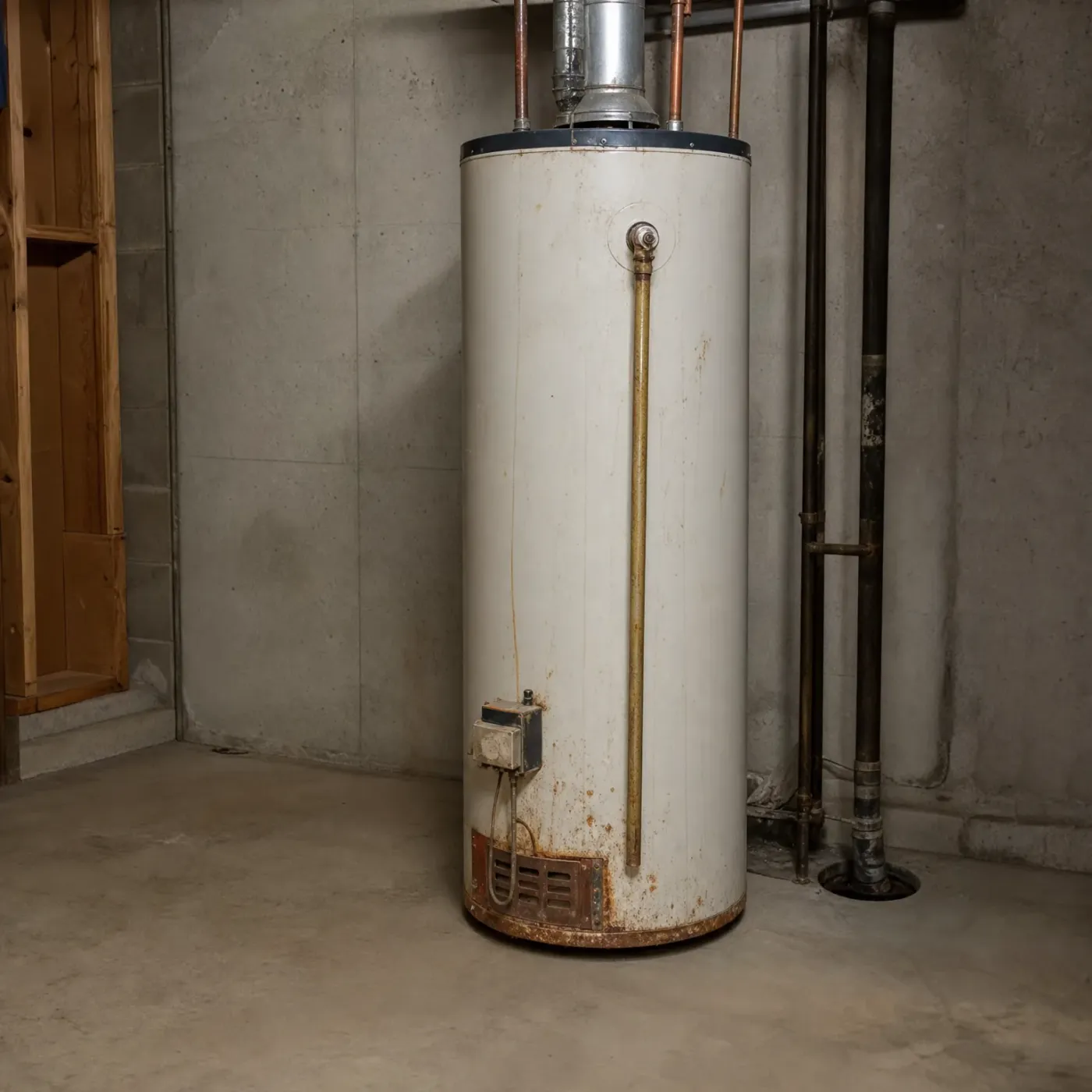
You run out of hot water faster than you used to, or the shower turns lukewarm halfway through. The tank makes a popping or rumbling sound when it's heating, which usually means sediment has built up on the bottom. Water pools near the base, or you see rust where the fittings meet the tank. The water itself might come out a little discolored. Any one of these on its own isn't an emergency, but together they mean the tank is near the end of its life, and a tank that fails outright can leak a full load of water across your floor. If you're seeing this now, it's worth finding out what replacing it would look like before it quits on you.
At 13 cents a kilowatt-hour, power here is cheap, and that's part of why a gas tankless unit makes sense for you. The real savings come from the gas side, not electric, since the unit only draws power to run its controls and ignition.
EIA-861 2025
A gas tank water heater burns gas all day to keep forty or fifty gallons hot, whether anyone uses it or not. A tankless unit only fires when you open a tap, so the gas it burns goes straight into water you actually use. Over a year that difference shows up on the bill, though how much depends on your household and how many people are running showers and laundry through it. The unit itself still needs enough gas pressure and volume to heat water fast, which is why the gas line sizing matters as much as the unit you pick.
Inside a tankless unit, water runs through a copper or stainless exchanger that the burner heats directly, instead of sitting in a tank losing heat to the room around it. That's the part that lets it skip the standby loss a tank carries. It's also the part that scales up with hard water over time, which is why a lot of installers recommend a whole-house filter or periodic descaling with a tankless unit, something a tank water heater never asked of you. Keeping that exchanger clean is what keeps the efficiency gain you're paying for.
2.34 people per household on average
With 2.34 people in the average Johnson County household, most homes here need a unit sized for two or three fixtures running at once, not a whole-house giant.
Half the homes here were built by 1992
Half the homes in Johnson County were built in 1992 or earlier, which often means the gas line sized for an old tank wasn't built with a tankless unit's draw in mind.
63.3% of homes heat with gas
At 63.3% of homes here, gas is the common setup, and that's exactly the fuel a tankless unit needs to deliver its real advantage over a tank.
ACS 2020-2024
A tankless water heater is worth it in Iowa City if you're replacing a gas tank that's done, or if you're already opening up a wall for a new gas line. It's not worth it to pull a tank that's still working fine just to get there sooner. That's the honest answer, but it's a general one, and your house is not a general case. What matters is the size of your gas line, where the vent can go, and what's already sitting in that utility room. Those three things decide whether the job is simple or whether it means more work than the unit itself.
That's exactly what a contractor needs to see before giving you a straight answer. Someone who installs and services these units through a Johnson County winter has run into the undersized line and the vent that won't reach outside often enough to know what to check first and what it'll take to fix. That's not something a page can tell you, but it's something a look at your setup can.
Send one request and you're matched with a single licensed local contractor, not a stack of companies competing for the same job. They'll look at the line, the vent, and the tank, and tell you what your house actually needs. From there, the decision is easy either way.
One installer gets your project, so there's no bidding war over it.