What Changes In Your House
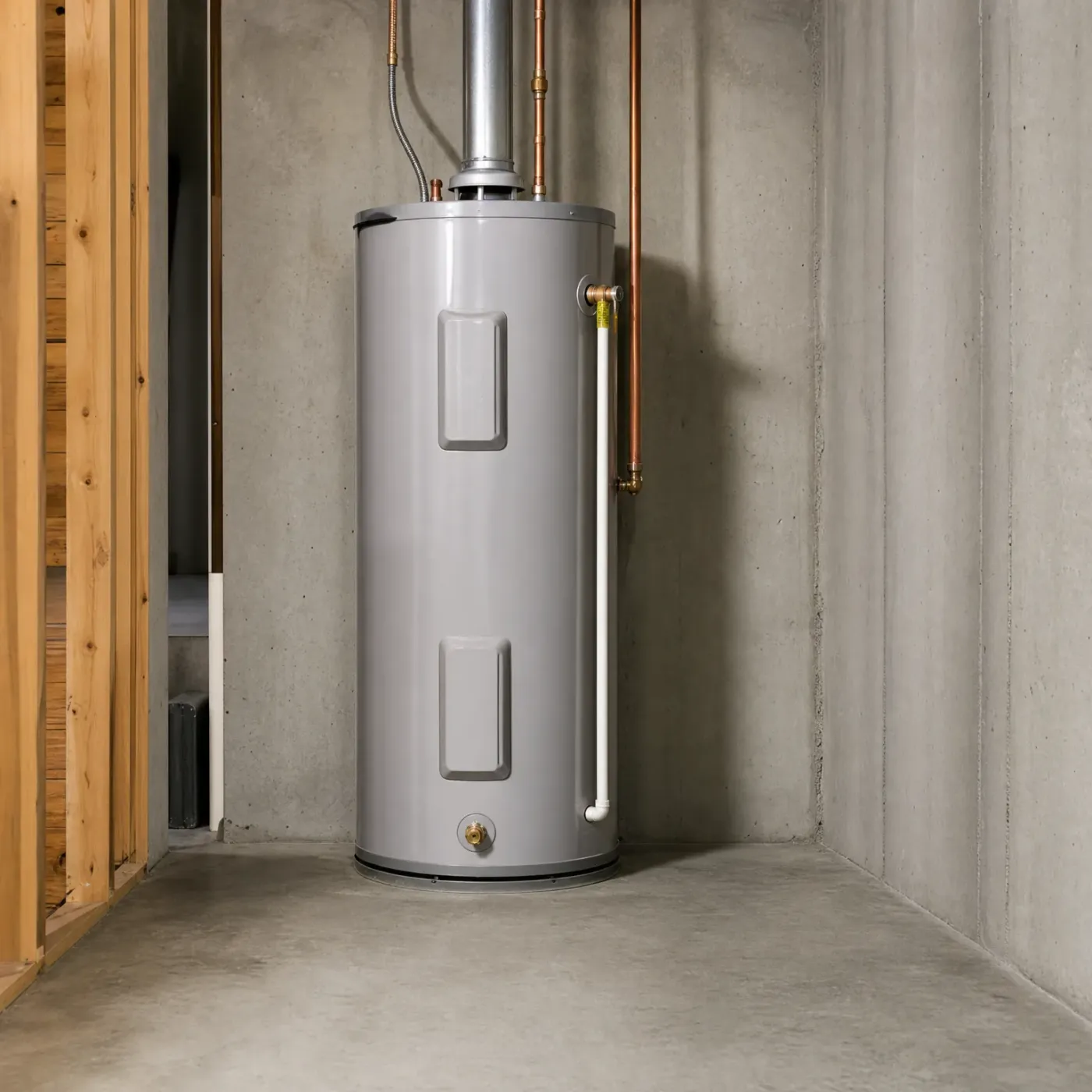
- A heat pump water heater in your basement will cool and dry that room a little while it runs, year round.
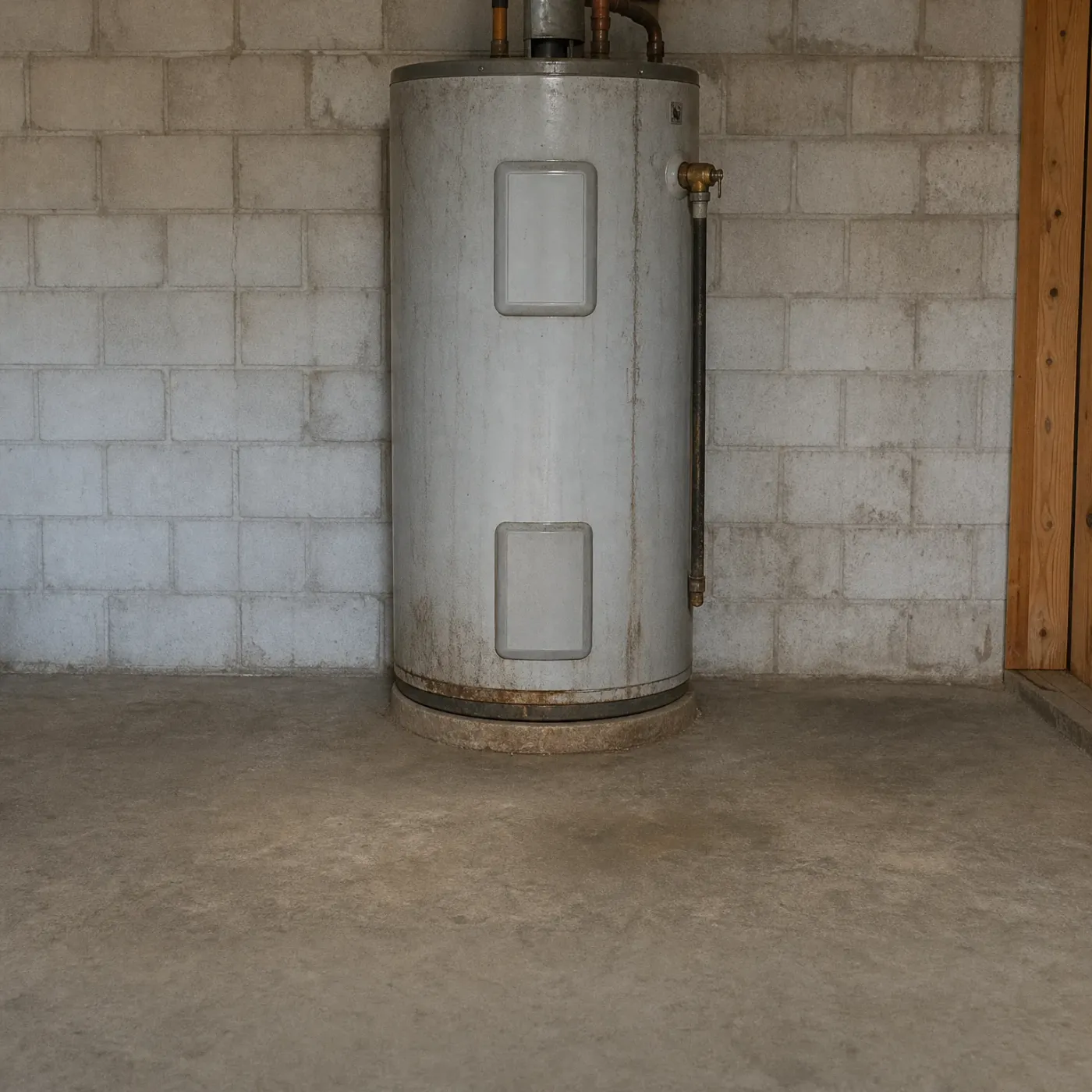
- If your basement is already damp, that side effect works in your favor instead of costing you anything.
- Your gas bill drops since the water heater stops pulling from that line, but your electric bill picks up the load.
- With power priced low in Iowa, that shift usually works out in your favor over a gas-fired tank.
- A basement under about 40 degrees Fahrenheit makes the unit lean on its backup electric element more often.
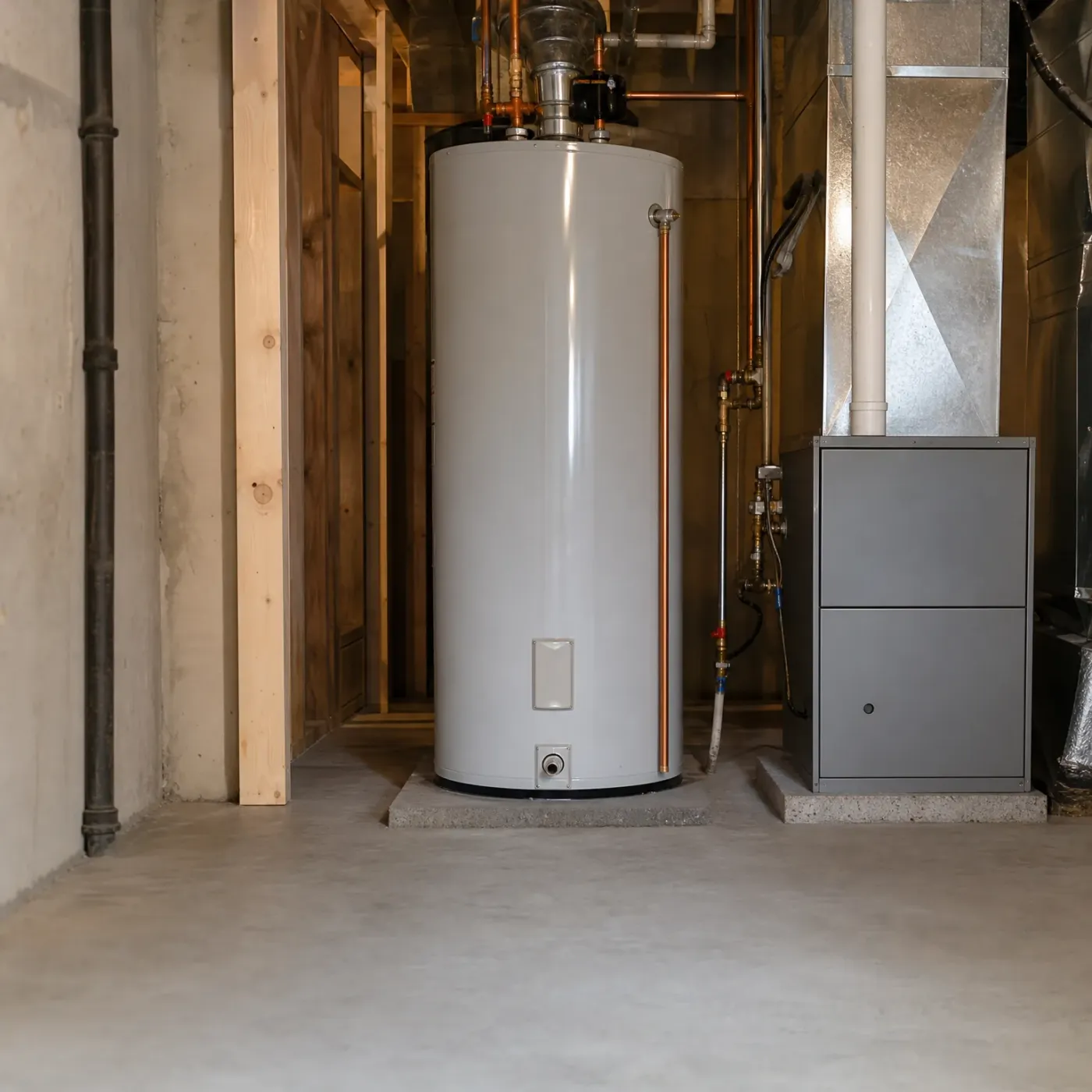
- Dropping the gas water heater means one less flue vent and gas line connection in the house to maintain.
Your basement is where you'll feel this decision. A heat pump water heater pulls warmth out of the air around it, so the room it sits in runs a little cooler and a little drier the whole time it's working. If that space already fights dampness, that's not a cost, that's the unit doing you a favor on top of heating your water. If it's a finished space you use often, or if it tends to run cold in the winter, that's worth knowing before you commit.
The bills shift too. Your gas water heater bill goes away, since there's no flame to feed anymore, but your electric bill picks up what the gas line used to carry. In Iowa, with power priced the way it is, that trade usually comes out ahead of what you were paying for gas. It also means one less gas line and flue vent running through your house, one less connection for a contractor to check over the years.
The tradeoff shows up in cold basements. These units draw on a backup electric element whenever the air around them drops below about 40 degrees, and that backup heat costs more to run than the heat pump itself. A basement that stays well above that mark most of the year works in the unit's favor. One that gets close to it in January is worth asking a contractor about directly, since that's the detail that decides whether this is a straightforward win or a mixed one for your house specifically.