A local pro who services water heaters gets in touch about the tune-up.
Iowa's water comes hard in most towns, and that means the minerals settle at the bottom of your tank whether you think about it or not. Once a year, flush it out. If your water is especially hard where you live, every six months is worth the trouble.
Gas water heaters are what most homes here run on, and that sediment layer does the same thing to a gas tank as any other: it sits between the burner and the water, and the tank works harder to heat the same amount. Power is cheap in Iowa, so it is not your electric bill you will notice. It is the tank itself, aging faster than it should.
A flush is not complicated, but doing it wrong on a gas unit, or skipping a step on the shutoff and the drain valve, can leave you with a bigger problem than the one you started with. That is where a local contractor is worth having, someone who flushes tanks like yours every week of the year and knows which valves tend to seize up on older units and which ones don't.
When you ask for help here, you are not handed off to whoever picks up first. You get matched with one contractor, licensed and working in Iowa, who takes it from there. No pile of calls from five companies competing for your afternoon, just the one who fits what your water heater needs and reaches out directly.
If you already know your water is hard, or you know roughly how old your tank is, that contractor will want to hear it. It tells them what to expect before they even look at the unit. The rest of this page walks through how often to flush, what hard water does over time, and what signs mean you are overdue. The button below is how you get someone out to actually do it.
Once a year is the right schedule for most water heaters in Iowa, and twice a year if your house is on especially hard water. Iowa's groundwater carries a lot of dissolved calcium and magnesium, and every gallon that passes through your tank leaves a little of it behind. That sediment settles on the bottom, and over months it builds into a layer that sits between the burner and the water above it. A gas water heater has to burn longer to push heat through that layer, so your burn time goes up even though the thermostat setting hasn't changed. The layer also traps heat against the steel tank itself, which is where tanks typically fail first. Flushing clears that layer out before it hardens into something a garden hose can't move. For most homes here, once a year keeps the tank working the way it did on day one.
A pro who works on water heaters
Your request stays with one local pro.
Describe your water heater job, and a local pro who handles it gets in touch.
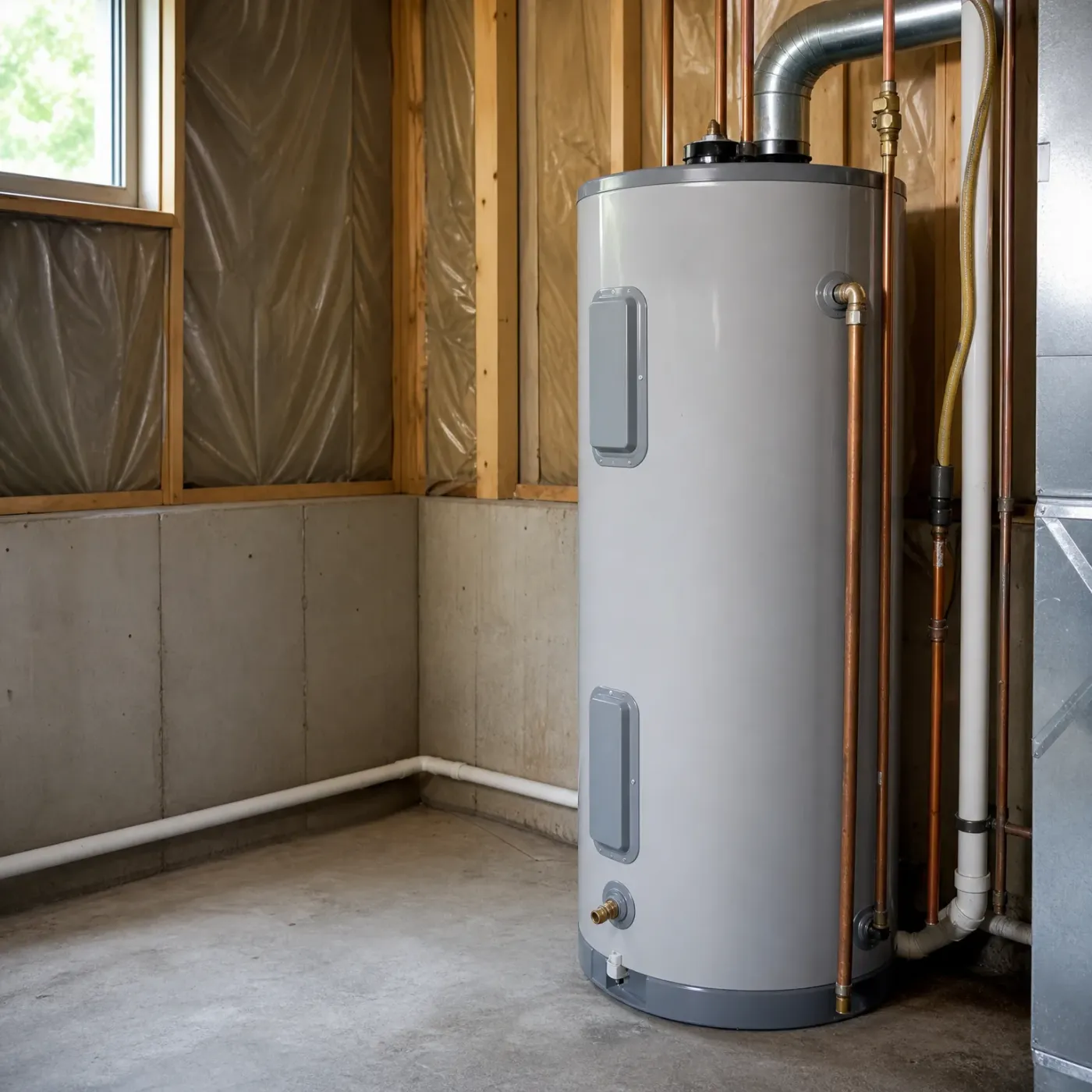
The sediment that settles at the bottom of your tank sits right over the gas burner. That layer acts like insulation between the flame and the water, so the burner has to run longer to heat the same amount of water. Over time it can also harden into a crust that traps heat against the steel tank bottom, and that's what causes the popping and rumbling sounds you might hear from a neglected water heater. Flushing clears that layer out before it builds up enough to stress the tank.
How to tell it needs one
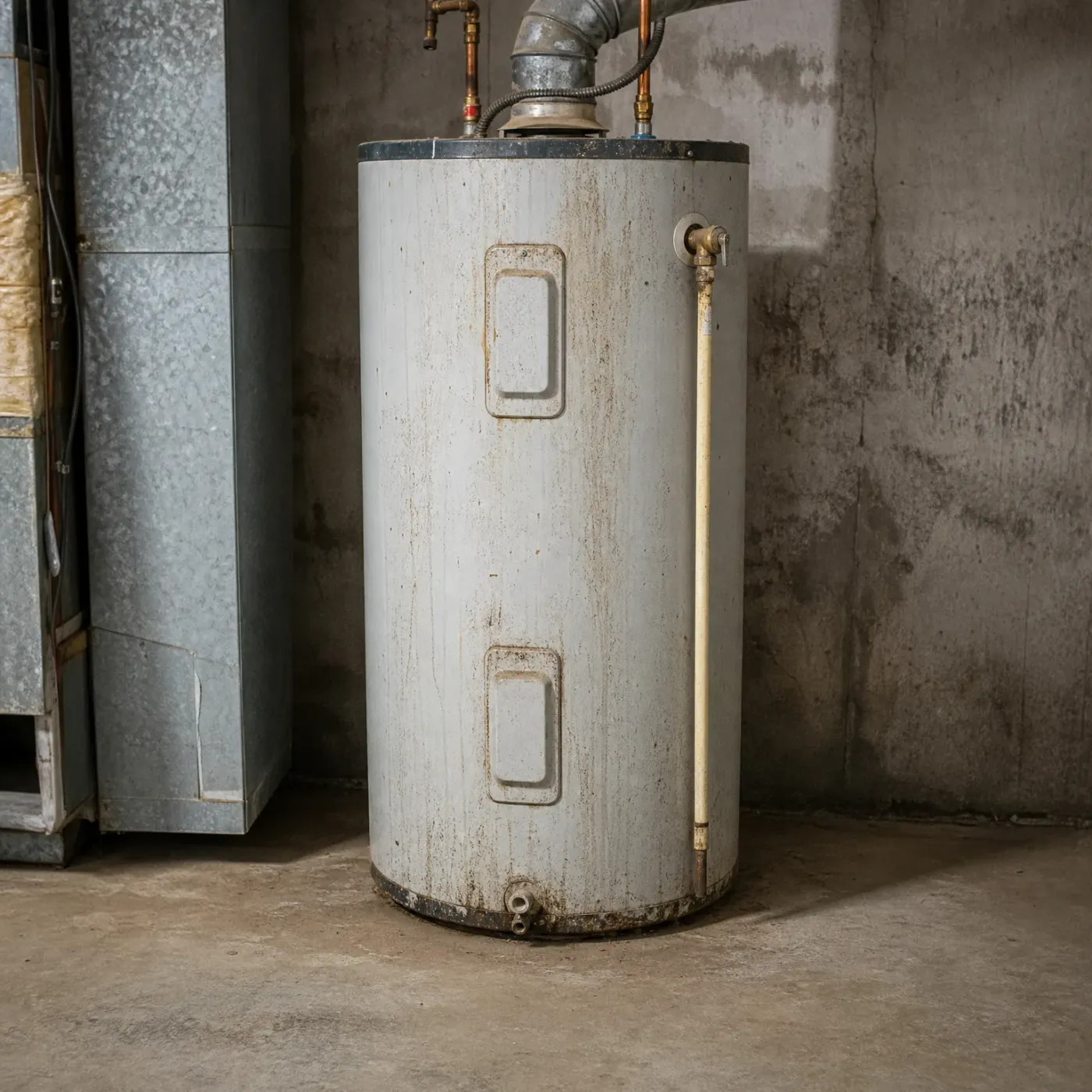
Drain a bucket from the valve at the bottom of the tank before you commit to a full flush. Clear water means you're probably fine waiting. Water that runs cloudy or carries visible grit means sediment has already built up and a flush is overdue. Popping or rumbling noises during heating are another sign, caused by water trapped under that sediment layer working its way to boiling. Checking this way tells you where your house actually falls, since hardness varies even within the same town.
Before you get your water heater maintenanceAfter you get your water heater maintenance
Skip it a few years
The sediment keeps building under the flame. Your burner runs longer for the same hot shower, and a tank that should last well into its teens can fail a lot sooner.
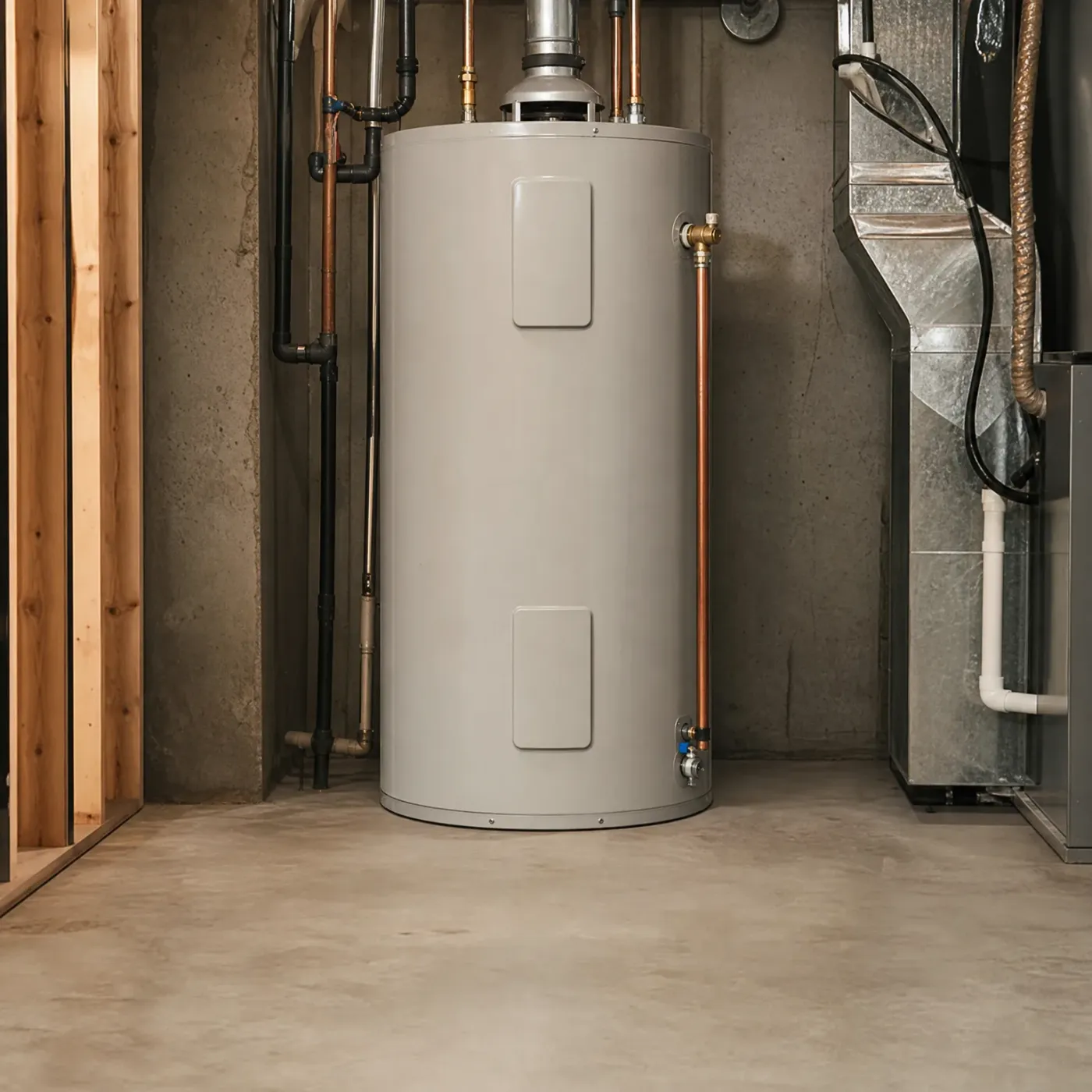
Most houses in Iowa heat with gas, and yours probably does too. That means a gas burner under your tank, and sediment buildup hits a gas water heater harder than an electric one. Flushing the tank on schedule keeps that burner heating water instead of fighting through scale.
ACS 2020-2024 5-year B25040
Once a year, twice if your water runs hard
That's the whole answer. Flush the tank once a year, or every six months if you're on especially hard water, and the burner underneath it keeps doing the job it was built for instead of fighting through a layer of scale.
A lot of this comes down to knowing your own water heater, the gas line feeding it, and what's actually settled at the bottom of that tank after a year of Iowa's hard water. A local contractor who flushes tanks all over this state every season has seen what usually builds up and how bad it gets before someone calls. You'll be matched with one contractor, licensed and working near you, who reaches out knowing your situation rather than treating it as one more job on a list.
The right pro for this job
Your request goes to one pro, not a list of companies.