Hawkeye Water Heaters

Hot water runs out fast in Dubuque, IA

Send the request today and stop worrying about who to call.

Send it today

Hot water running out fast usually means the tank can't heat new water as quickly as your household is using it. The most common cause is a failing heating element on an electric water heater, or a burner or igniter problem on a gas one. Sediment buildup at the bottom of the tank is another common culprit. It sits on top of the burner or heating element and acts like insulation, so the water above it takes longer to heat and never fully recovers between uses. A tank that's simply too small for how your home uses hot water now will show the same symptom, especially during Dubuque winters when incoming water is colder and needs more energy to heat. If this problem showed up suddenly rather than gradually, that points to a failed part rather than old age or sizing. Either way, it's worth having someone look at the tank before it fails completely.

Why does hot water run out so fast in your house?

  • 2.31 people per household on average

    Most households in the county run 2.31 people on average. More showers and loads of laundry back to back ask more of a tank that's already struggling to keep up.

  • Half the homes here were built by 1970

    Half the homes here were built in 1970 or earlier. A water heater sized for an older household often falls short once a family grows into the house.

  • 71.2% of homes heat with gas

    Gas heats 71.2% of homes in the county, more than any other fuel. A gas water heater that's running out fast usually points to a burner or igniter, not a wiring issue.

ACS 2020-2024

A tank water heater that's still heating properly can usually keep up with a quick string of showers if it has time to recover between uses. Run three showers back to back with no gap and even a healthy tank will start sending out lukewarm water toward the end.

A tank that runs out fast even with normal spacing between uses isn't a capacity problem. That's a sign something in the heating process has failed, and it needs a repair, not a change in how your household showers.

A smiling bearded man in a dark blue henley shirt sits leaning back on a light grey sofa in a living room, with a bowl of popcorn on a wooden coffee table and a large window behind him.
A bearded man in a dark quarter-zip sweater sits smiling on a brown sofa in a dimly lit living room, with a bowl of popcorn and a mug on a table in the foreground and a potted plant near a window behind him.
A smiling man with graying dark hair and a beard, wearing an olive sweater, sits on a sofa in a living room beside a bowl of popcorn on a wooden table.
A smiling man in a dark green henley shirt sits on a gray sofa in a living room with a lit table lamp, wooden shelving unit, and a bowl of popcorn in the foreground.

A gas water heater keeps a tank of water hot by firing a burner underneath it, and a dip tube carries incoming cold water down to the bottom so it doesn't mix with what's already heated near the top. The thermostat only calls for more heat once the top layer cools below its set point, which is why the first gallons out of the tap are always the hottest ones sitting there waiting. When that system is working right, you get a steady draw before it turns lukewarm. When it's not, something in that chain has broken down. A cracked dip tube lets cold water dump in near the top instead of the bottom, so it mixes straight into the hot water you're about to use. A weak burner or igniter takes longer to recover between draws. Sediment resting on the bottom of the tank sits between the flame and the water, so the burner has to work through it before the water heats at all. A failing thermocouple or flame sensor can cut the burner off early or keep it from relighting the way it should.

How a gas water heater actually heats

  • A gas water heater heats water by firing a burner under the tank, and a dip tube sends cold water to the bottom so it doesn't mix with the hot water near the top.
  • The thermostat calls for heat once the top of the tank drops below its set point, so the first gallons out are always the hottest ones sitting there.
  • If the dip tube cracks or breaks off, cold water dumps in near the top of the tank instead of the bottom, and it mixes straight into what you're about to use.
  • A burner that can't hold a full flame, or an igniter that's weak, takes longer to bring a tank back up to temperature between draws.
  • Sediment settled on the bottom of a gas tank sits between the burner and the water, so the flame has to work through that layer before the water actually heats.
  • A thermocouple or flame sensor that's failing can shut the burner down early or keep it from relighting fully, leaving the tank short on hot water before anyone notices.
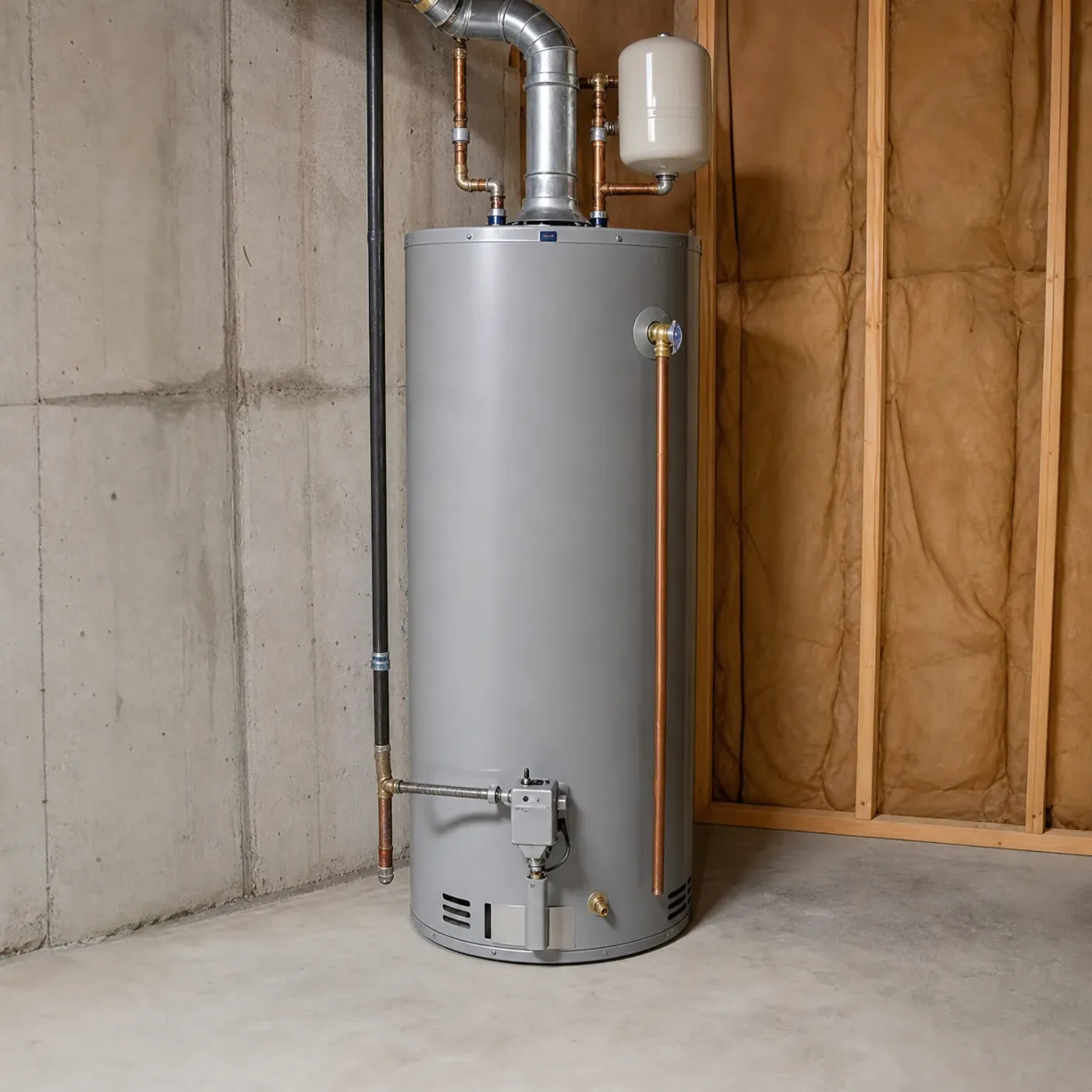
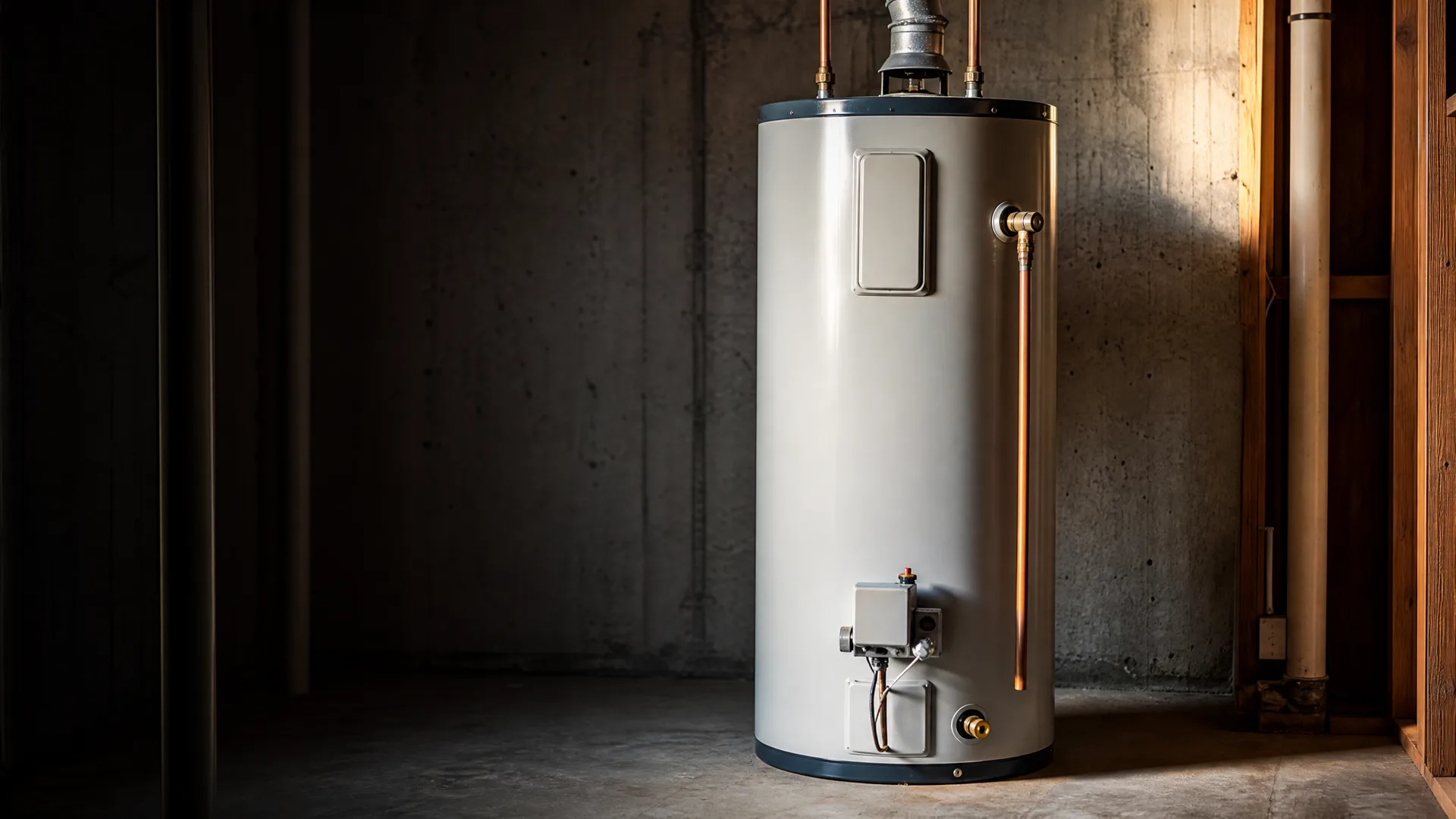
A gray cylindrical gas water heater with copper piping, flue vent, and a small expansion tank stands in a basement corner between a concrete wall and an insulated stud wall.
A working gas water heater like this one recovers steadily, so hot water comes back within the hour after a full tank runs low.
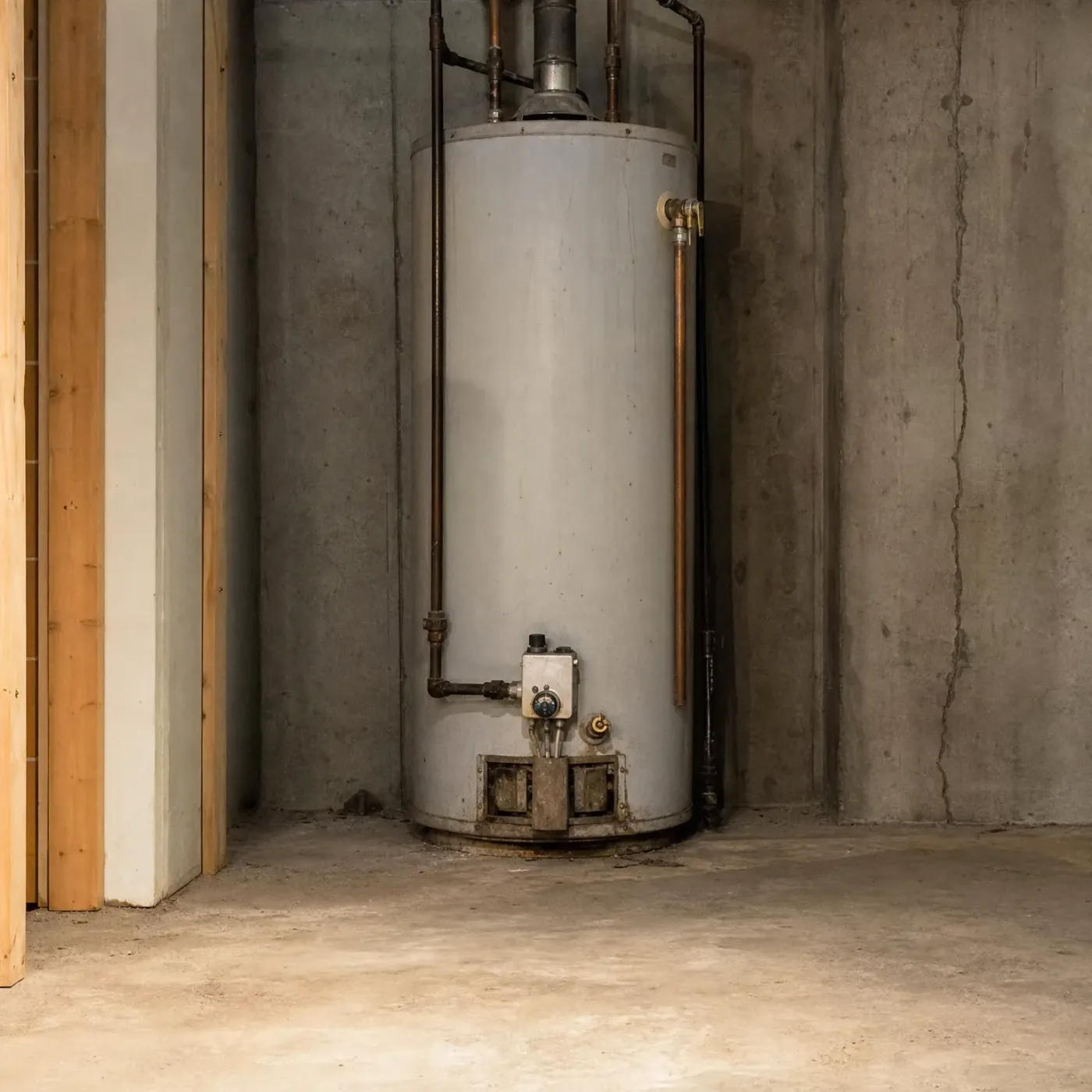
An older gas water heater with copper and black pipes stands in the corner of a bare concrete basement next to a wood-framed partition wall.
A tank in this shape, with an old gas valve at the base, often can't hold a set temperature or recover like it used to.

Why does my water heater run out of hot water faster than it used to?

Why does my water heater run out of hot water faster than it used to?

A failing part is making the tank work harder to keep up

On a gas water heater, the burner has to run longer to bring the tank back up to temperature once the thermostat calls for heat. A thermocouple or igniter that's starting to fail can cause short or weak burner cycles, so the water never fully reheats before the next draw. On an electric model, one of the two heating elements can burn out while the other still works, so the tank only heats half as fast as it used to. Either way, the tank itself isn't necessarily failing. Sediment settled on the bottom can also sit between the burner and the water, slowing how fast heat actually gets through.

A woman in a dark knit turtleneck sweater reclines on a couch under a cream knit blanket, looking down at an open book, with a lit table lamp and framed pictures behind her.
A smiling middle-aged man in a dark green sweater sits at a candlelit table with wine glasses and a plate of greens in a dimly lit interior.

Send one request and you're done looking

A tank that used to carry the whole household through back-to-back showers and still has cold water left over by the second one is telling you something failed, not that people are using more water than before. In Dubuque, winter makes this worse, because the water coming into the tank is colder than it is in July, so a struggling burner or element has to work even harder to hit the same set point. By the time you're down to a few minutes of hot water, the part that's failing isn't going to fix itself, and the gap between showers that used to be enough recovery time starts shrinking. A local contractor who works on these tanks all winter has seen this pattern before and knows what to check first. Sending the request means one contractor looks at your situation instead of you tracking one down yourself.

Sediment turns gas into wasted heat

A gas water heater fires its burner under the tank, and the metal has to pass that heat through to the water sitting above it. Sediment settles right on that surface. Once it builds up, the burner is heating the sediment layer first, and the water on top of it takes longer to catch up. The thermostat still calls for heat the same way it always did, but less of that heat actually reaches usable water. Dubuque water runs through a tank that sits unused all night, every night, long enough for sediment to settle flat again before the next morning's draw.

A full tank still isn't a fixed one

Draining and flushing a tank clears the sediment sitting on the bottom, and that alone can bring back some lost capacity. It won't fix a burner that's no longer sized right for the job, a thermostat reading the water wrong, or a dip tube that's cracked and letting cold water mix in at the top. Those are mechanical failures, not buildup, and no amount of flushing touches them. A contractor working in Dubuque County sees both kinds of problem on the same make and model often enough to know which one is likely before the tank is even drained.

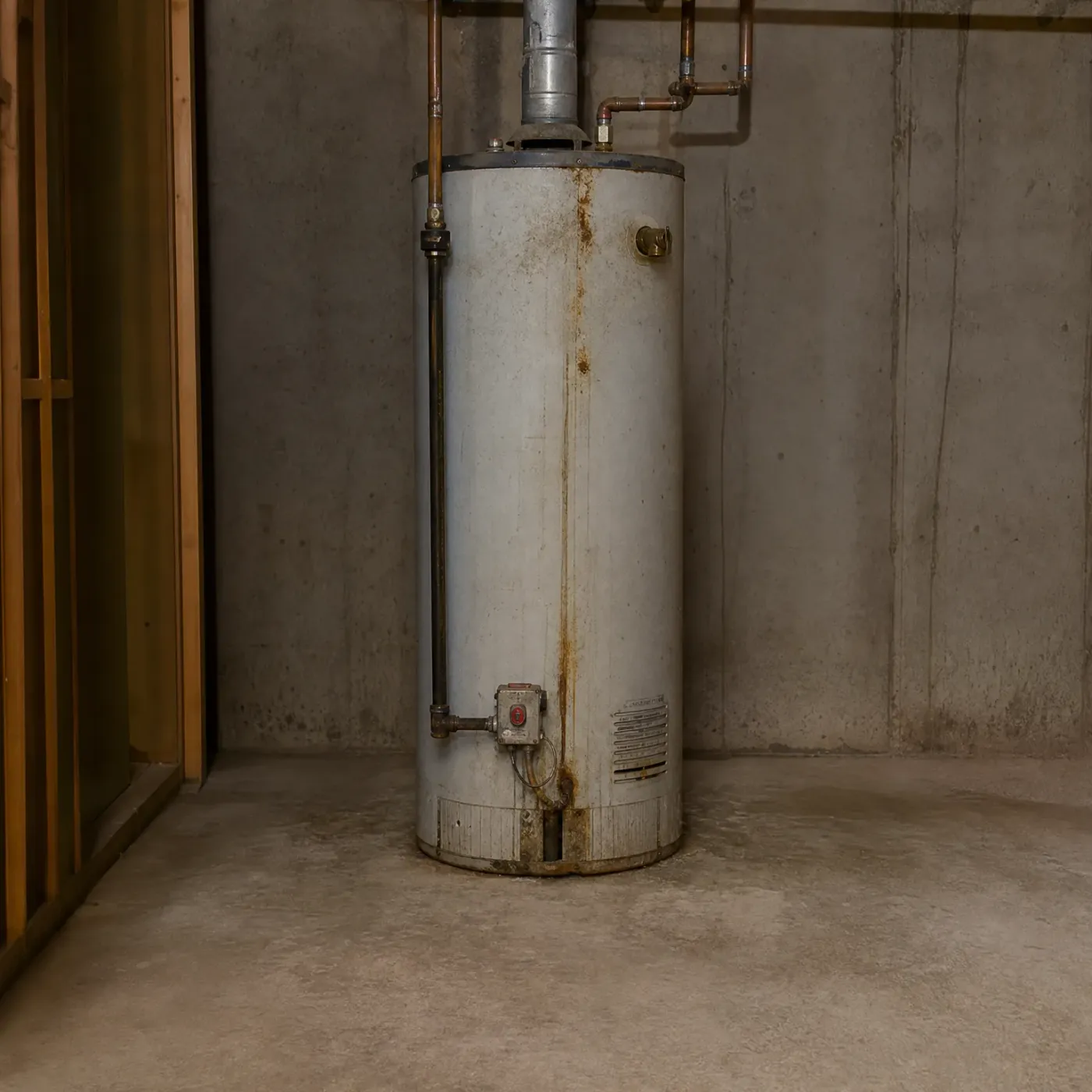
An aging rust-streaked gas water heater with copper and galvanized pipes stands against a bare concrete basement wall beside wooden stud framing.
Before you get your water heater repair
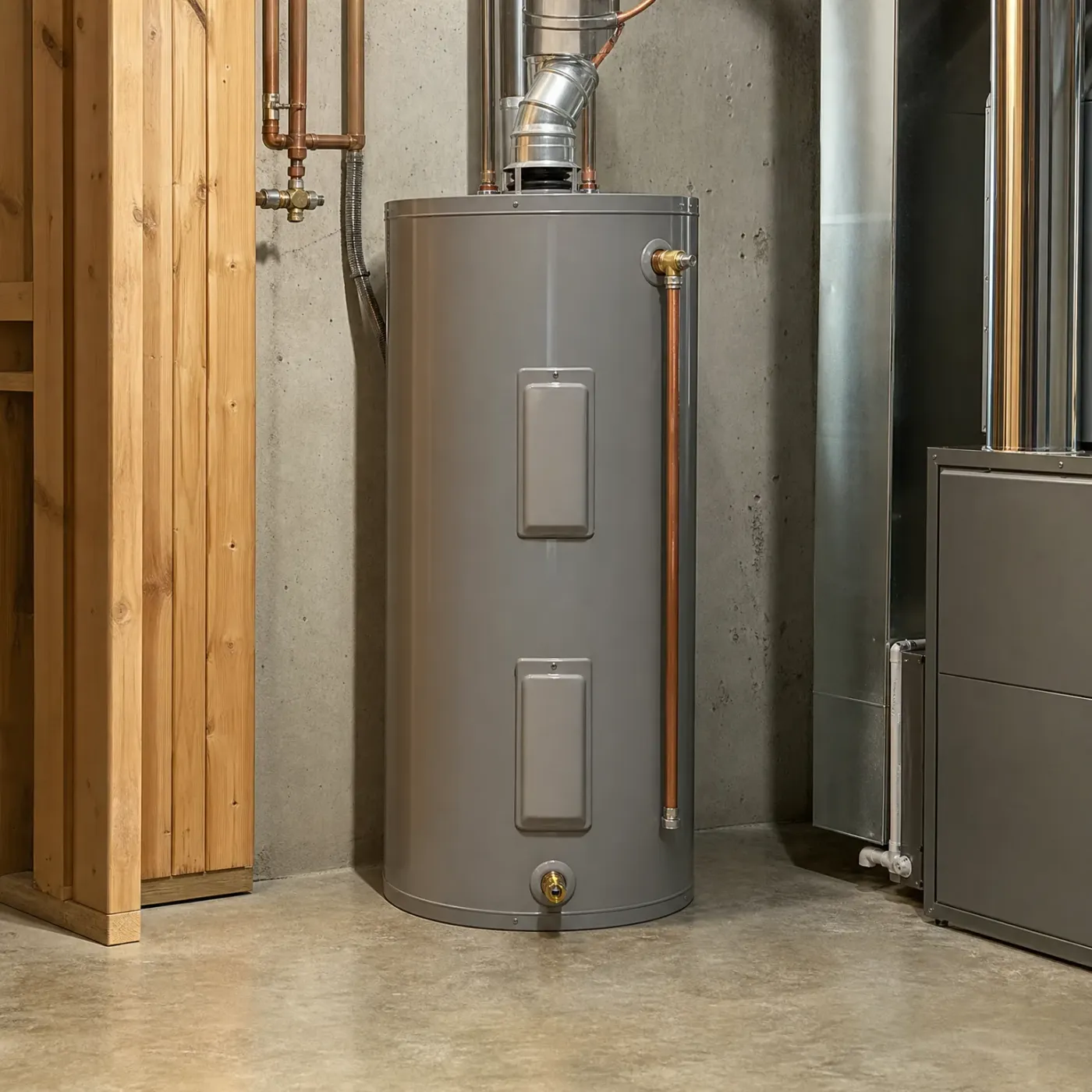
A gray cylindrical water heater with two access panels and copper piping stands against a concrete wall in a basement, beside wood framing and metal ductwork.
After you get your water heater repair

What you're already doing differently

You're spacing out showers, running the dishwasher at night, telling the kids to make it quick. That's you working around a tank that can't keep up anymore. A water heater in good shape doesn't need any of that. Once a heating element or a burner starts failing, the household adjusts without really deciding to, and it becomes normal to ask who showered last before you turn the tap on. If you're planning around hot water instead of just using it, that's the tank falling behind, not your family using more than it used to.

What it's costing you on the bill

A gas water heater that can't recover properly is still burning gas the whole time it tries. Power here already runs expensive, and a struggling burner or a bad thermostat means longer burn times for less hot water out the other end. You're paying for heat that sediment or a failing part is soaking up before it reaches you. It shows up as a gas bill that creeps up while the actual hot water you get stays the same or gets worse, which is the tank working harder, not better.

Power here costs 17.13 cents per kilowatt-hour

If your water heater is electric, that rate shows up fast once an element starts failing, because the tank leans harder on current to make up for it. A gas unit won't feel that part of the bill the same way, but anything electric it runs still costs more here than in most places nearby.

EIA-861 2025

What this comes down to

  • Running out fast means the tank can't keep up anymore, usually a failing element, a burner problem, or sediment holding back the heat.
  • Once a contractor checks the tank and finds which part failed, recovery time goes back to normal and the workarounds stop.
  • A local contractor who services water heaters through Dubuque winters all season knows which parts fail first in a tank like yours.
  • Sending one request means one contractor calls, not a string of companies competing for the job.
  • The fix is usually a part, not a new tank, if the tank itself is still sound.

A tank that runs out faster than it used to has a reason, and that reason is almost always a part, not the whole water heater. A heating element wearing out, a burner that won't hold a steady flame, sediment sitting between the burner and the water above it. Any of these makes the tank fall behind, and falling behind is what you've been feeling as lukewarm water halfway through the second shower.

Finding which one it is takes someone who works on these tanks regularly, not just once in a while. Through a Dubuque winter, a local contractor sees this same complaint often enough to know what usually gives out first in a tank your age, in a house like yours, and checks that before moving on to less likely causes. That's different from a generic callout that starts from scratch every time.

Sending the request through this page puts it in front of one contractor, local to the area, not a handful of companies all calling you back at once trying to win the job. You get one call to deal with and someone who already knows the kind of system they're walking into.

Once that part gets replaced, the tank recovers the way it's supposed to. No more spacing out showers or running the dishwasher after everyone's asleep. The workarounds you've built go away because the thing that made them necessary gets fixed.
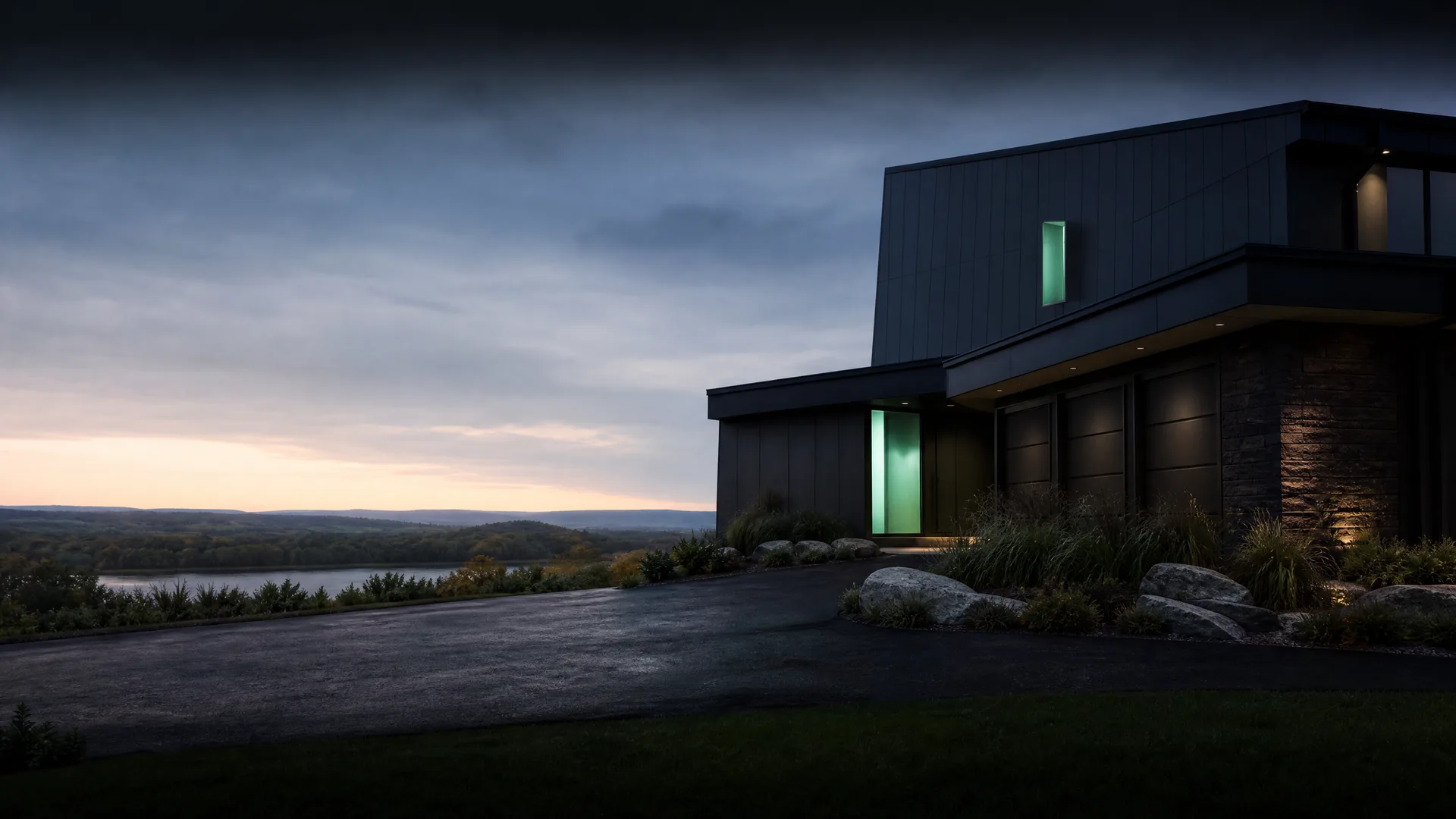

A cylindrical gas water heater with copper pipes, a flue connection on top, and a control box near the base, standing on a concrete floor against a concrete wall.

Finding a pro stops being your job

Step 1 of 3: Equipment