
Gas or electric water heater for an Iowa home
Should I get a gas or electric water heater in Iowa?
You're replacing your water heater or putting one into a new setup, and before you pick a model you want to know which fuel actually makes sense for a house in Iowa. The gas line is probably already there, but electric rates are low enough that it's worth asking whether that changes anything.
Gas, if your home already has a gas line
Most homes in Iowa heat with gas, and that usually means the line already runs to where the water heater sits. A gas water heater recovers faster, so a full tank of hot water comes back sooner after a shower or a load of laundry. It also keeps running during a power outage, which matters in a state that gets its share of winter storms. Electric is worth a second look if your home doesn't have gas service, since running a new line adds work an electric install skips. Iowa's electric rates are low compared to a lot of the country, so an electric water heater won't punish your bill the way it might elsewhere. Either way, the choice usually comes down to what's already hooked up at your house.
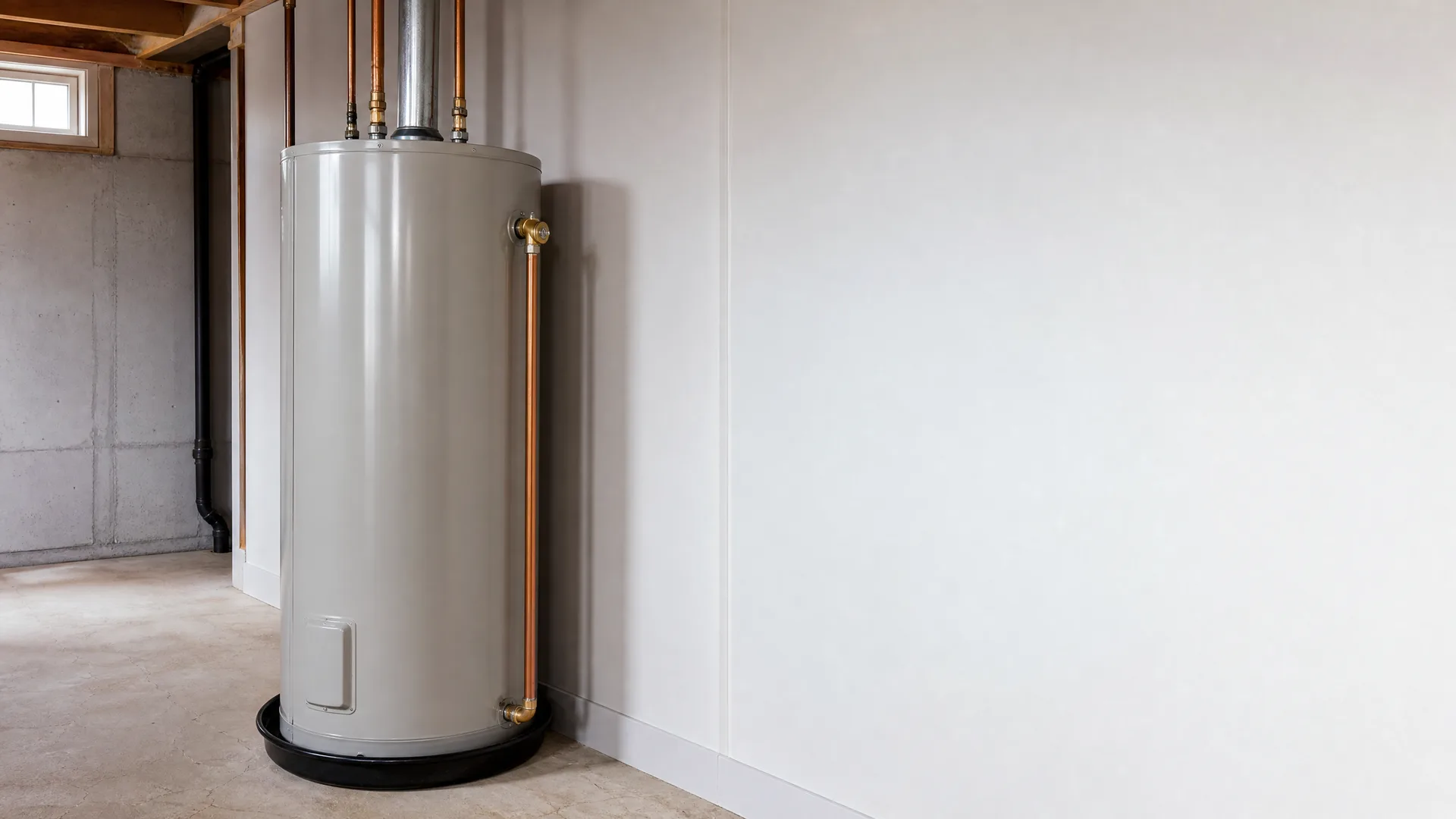
Why gas recovers faster
A gas burner heats water straight through a flame under the tank, so recovery time runs faster than an electric unit working through two heating elements. That matters most when a shower runs long or the washing machine and dishwasher land back to back. With cheap power here, electric still costs less to run than you'd expect in most other states, but gas will refill a tank quicker after a big draw.
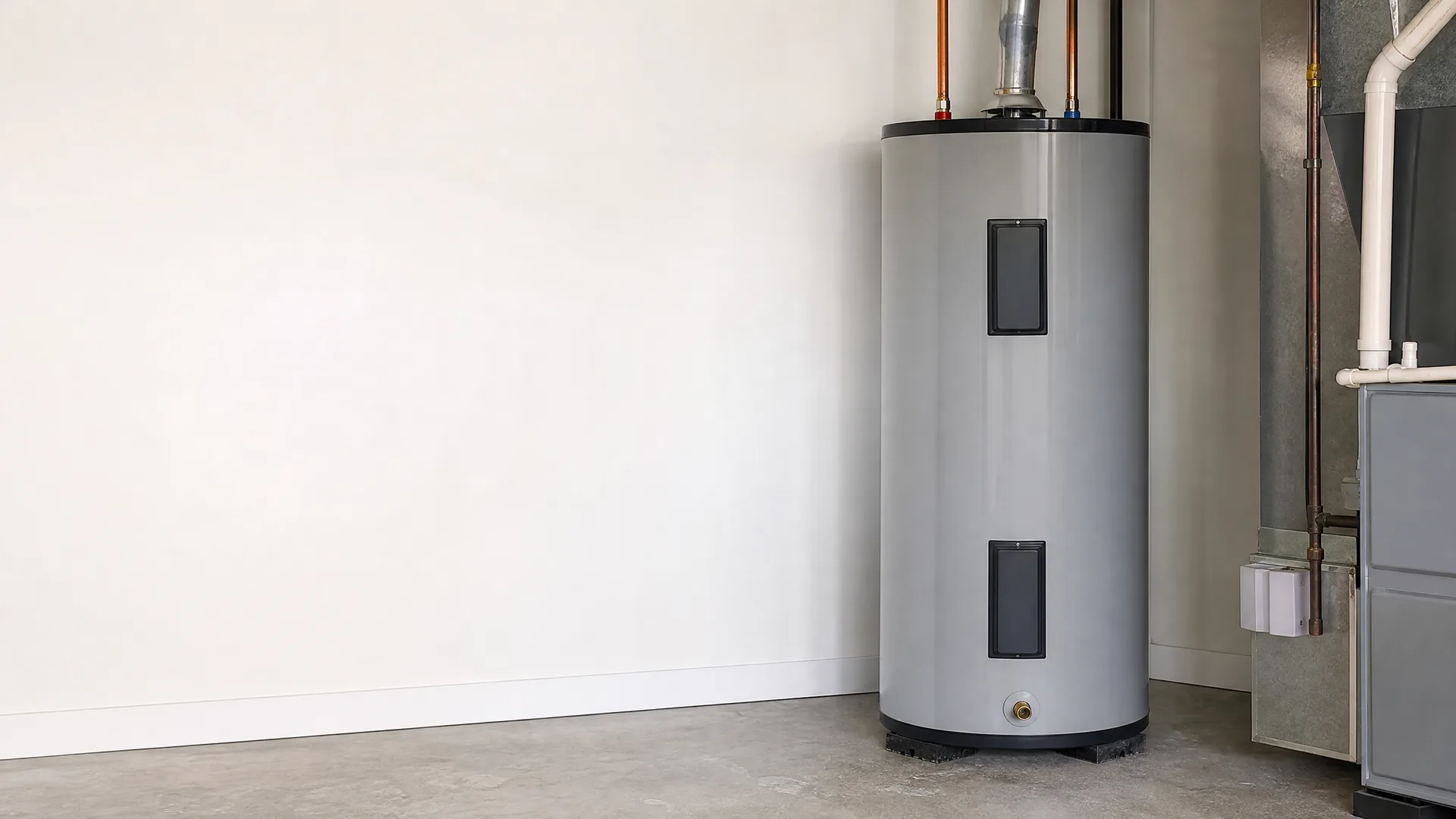
Venting is the real difference
A gas water heater needs a vent to the outside for exhaust, either a metal flue or a sealed intake and exhaust pipe depending on the model. An electric water heater needs neither, just a 240-volt circuit and a drain nearby. If the gas line and vent path already exist from the unit being replaced, installation is simpler. If you're starting from a space with no gas line run to it, that changes what's involved.
Gas vs Electric Water Heater in Iowa
Gas
- If a gas line already runs to your water heater, installing a new gas unit uses that same line instead of adding new wiring.
- Power here is cheap, so the usual case for electric running costs less to operate doesn't carry the same weight in Iowa.
- A gas water heater keeps working through a power outage, since the burner runs on the gas line rather than the electrical panel.
- Gas units need venting to the outside, so the install has to account for the flue or vent pipe already in place.
- Most homes in Iowa heat with gas, so a plumber working on a gas water heater here is doing a familiar job.
Electric
- An electric water heater skips the vent pipe entirely, which opens up placement options a gas unit doesn't have.
- If there's no gas line run to where the water heater sits, electric avoids the cost of bringing gas to that spot.
- Electric units have no flame and no flue, so there's no combustion byproduct to vent out of the house.
- Recovery runs slower on electric, since two heating elements are doing the work a single gas flame does faster.
- A power outage leaves an electric water heater without hot water until the electricity comes back on.

Installer sizes the unit to your household's hot water use.
Old water heater gets disconnected and drained before removal.
New unit connects to the existing gas line and vent.
Thermostat gets set and the tank is tested for leaks.
Is your current water heater telling you something
If the tank is electric and you're running out of hot water partway through back-to-back showers, that's the slower recovery, not a bad unit. If it's gas and the pilot keeps going out, or you smell gas near the tank, that's worth a call now, not later. Rust-colored water, a tank that's rumbling or popping, or water pooling underneath all point to a unit near the end of its life. A water heater that fails outright can mean a flooded utility room or basement, and in an Iowa winter you don't want to find out your tank quit the same week the pipes are already stressed by the cold.


The right pro for this job
Most houses in Iowa already have a gas line run to the water heater, and that's the detail that settles this for a lot of people. If yours does, a gas replacement just uses what's there. If you're on electric now and tired of the tank running out mid-shower, switching means adding a gas line, and that's worth knowing before you commit to a model. Either way, sizing the new unit to how your household actually uses hot water matters more than the fuel type alone, and that's not something to guess at from a search result. A contractor who's installed both in homes like yours can look at your gas line, your current tank, and your hot water habits and tell you straight what fits. Send the request and that part stops being something you have to figure out on your own.
If the tank is already gas
Replacing a gas water heater with another gas unit is the straightforward path. The gas line, the vent, the connections are already in place, and a new unit goes where the old one sat. There's no reason to switch to electric on the way out unless something about the house changed, like the gas line getting capped off or the spot needing to move to a place gas can't reach. For most Iowa homes that already heat water with gas, staying with gas means less work for the installer and a shorter job, since nothing has to be run new.
If the tank is electric now
An electric tank can be replaced with another electric unit with no changes to the house, which is part of why electric sticks around even where gas is common. But if a gas line already runs to the house for the furnace or the stove, extending it to the water heater is often possible, and it's worth asking an installer what that would take. Electric works fine on its own. The question is whether the slower recovery during heavy use, like back-to-back showers, is something worth fixing while the old unit is already being swapped out.




A gas water heater needs a vent to the outside for the exhaust, which means it has to go where that vent can reach, usually the same spot the old one sat.
An electric water heater needs no venting at all, just a 240-volt circuit, so it can go in more places, including a closet or a spot a gas line never reached.
60.2% of homes statewide heat with gas
Most houses around you heat with gas, 60.2% of them, so if yours is one, the gas line to your water heater is probably already there. A replacement just uses it.
ACS 2020-2024 5-year B25040
For most houses in Iowa, a gas water heater is the easier path, since the line and vent are probably already there, and it recovers faster when hot water runs long. Electric still makes sense if your house never had gas in the first place, and power here is cheap enough that running one costs you less than people assume. Either way, the decision comes down to what's already at your water heater now, not which fuel sounds better on paper. Once you know that, sizing and installing the new unit is a job for whoever's putting it in. Send the form and that part stops being yours to figure out. A contractor who works on water heaters in your area will reach out, look at what you have, and take it from there.





Matched to your water heater job
Send the form and stop researching installers for the new water heater.
You only hire the pro if you want to.